

2. AWS Acquires DuckDB (ducklabs.com)
DuckLabs provides services around the DuckDB in-process OLAP data management system directly from its main developers.
Amazon Web Services has acquired DuckLabs, the team behind DuckDB, a powerful in-process OLAP data management system. This move could enhance AWS’s data analytics capabilities by integrating DuckDB’s technology into its offerings.
3. U.S. State Department Pauses Immigrant Visa Applications (www.wsj.com)

4. Tim Curry, Star of Rocky Horror Picture Show and Stephen King's It, Dies Aged 80 (www.theguardian.com)
A prolific performer across stage, screen and TV, the actor starred in Legend, Clue and It, but will always be associated with the flamboyantly camp rock’n’roll musical in which he made his breakthrough
Tim Curry, known for his iconic roles in “Rocky Horror Picture Show” and Stephen King’s “It,” has passed away at 80. His vibrant performances in various films and stage productions left a lasting legacy in entertainment.

5. Qwen3.8-Flash-Next: A New Architecture, Towards Ultimate Cost-Efficiency (qwen.ai)
Qwen Studio offers comprehensive functionality spanning chatbot, image and video understanding, image generation, document processing, web search integration, tool utilization, and artifacts.
Qwen Studio’s latest update introduces an architecture that enhances capabilities in chatbot technology, image and video analysis, and document processing, while also integrating web search and tool usage. This advancement aims to improve cost-efficiency across its diverse functionalities.
6. Tailcat: Secure Tunnels in Seconds (Tailscale) (github.com)
like netcat, but over Tailscale's data plane, without Tailscale's control plane - tailscale/tailcat
Tailcat offers a way to create secure tunnels similar to netcat, utilizing Tailscale’s data plane while bypassing its control plane. This approach could enhance privacy and security for users familiar with networking tools.
7. Twitter Viewer – View Twitter Without Account (twitterwebviewer.com)
Twitter Viewer to browse any public Twitter profile and tweets without login. View X profiles, photos, videos anonymously. No account required.
Twitter Viewer allows users to access public Twitter profiles and tweets without needing to log in or create an account, making it easy to browse content anonymously. This tool is ideal for those who want to view tweets, photos, and videos without the commitment of joining the platform.
8. Meta reaches $16.68B settlement over social media harms to children (www.reuters.com)
9. RAG Is Simpler Than You Think (www.lighthousenewsletter.com)
10. An ongoing 3D-printer AGPL violation (lwn.net)
At FOSSY 2026, several people from the Software Freedom Conservancy (SFC), which organizes the [...]
11. Nebula Sans (www.nebulasans.com)
Nebula Sans is the brand typeface for Nebula, available under the SIL Open Font License.
Nebula Sans is a new typeface designed for the Nebula brand and is freely available under the SIL Open Font License, making it accessible for various creative projects.
12. Z.ai confirms Ox Alpha is a new GLM-series model and will release its weights (www.bloomberg.com)
13. The turbulent AI era is here (www.gatesnotes.com)
15. The Hugging Face incident and the road ahead (openai.com)
OpenAI shares findings from the Hugging Face security incident and the steps we’re taking to strengthen AI model security, monitoring, and alignment.
OpenAI details the security breach involving Hugging Face and outlines its proactive measures to enhance the security and alignment of AI models. The insights provided highlight the importance of safeguarding AI technology in the face of emerging threats.
16. Queryable Executables (fzakaria.com)
I was pleasantly surprised and happy to see that my article ‘Your executable is a SQLite database’ resonated with people. It is a format I have been thinking about for a while, and the idea seems to have struck a chord with others.
The author reflects on the positive response to their concept of treating executables as SQLite databases, highlighting its growing appeal and potential implications for software development. Readers interested in innovative programming approaches might find the discussion intriguing.
17. France reaches 94.9% fiber coverage in 2026 (cartefibre.arcep.fr)

18. Taylor Farms: How One Company's Reach Became a National Risk (farmaction.us)
Our report examines how Taylor Farms became one of the largest produce suppliers in the U.S. and what its power means for food safety, farmers, and workers.
Taylor Farms has grown into a major player in the U.S. produce market, but its dominance raises important questions about food safety and the impact on farmers and workers. Understanding this dynamic is crucial for anyone concerned about the future of the food supply chain.

19. Omarchy is full of security holes (blog.happyfellow.dev)
First, a PSA: Do NOT use Omarchy if you care about security of your machine even a little bit.
You can't polish a turd
Omarchy 4.0 shipped with a collec...
You can't polish a turd
Omarchy 4.0 shipped with a collec...
Omarchy 4.0 is riddled with security vulnerabilities that make it a risky choice for users concerned about their machine’s safety. The article outlines the specific issues that compromise its security, urging users to avoid it altogether.

20. Stalking the Wily Hacker: 40 years later – Cliff Stoll [video] (www.youtube.com)
40 years ago today, I tripped over a 75-cent accounting glitch in a Unix system. That tiny clue led to a year-long chase across networks, modem banks, and in...
Cliff Stoll recounts his thrilling year-long pursuit of a hacker that began with a minor accounting error in a Unix system. His story highlights the early days of cybersecurity and the lengths taken to track down digital intruders.
21. FDA Approves First in Class Targeted Therapy for Metastatic Pancreatic Cancer (www.fda.gov)
The U.S. Food and Drug Administration today approved Rasonque (daraxonrasib), a RAS inhibitor for the most common form of pancreatic cancer—delivering a new treatment option to patients with advanced pancreatic cancer months ahead of schedule.
The FDA has granted approval for Rasonque, a new RAS inhibitor that targets the most common form of metastatic pancreatic cancer. This treatment offers hope to patients with advanced stages of the disease, arriving earlier than anticipated.
22. XCancel and Nitter are receiving C&D letters from XCorp
XCancel has halted its operations following a cease and desist letter from X Corp, while Nitter faces a similar threat. Both services are now seeking legal counsel and have yet to disclose further details about their next steps.
23. Worst-case glacial lake flood scenarios in a transboundary Himalayan basin 2022 (nhess.copernicus.org)
Abstract. Glacial lake outburst floods (GLOFs) are a major concern throughout High Mountain Asia, where societal impacts can extend far downstream. This is
particularly true for transboundary Himalayan basins, where risks are expected to further increase as new lakes develop. Given the need for
anticipatory approaches to disaster risk reduction, this study aims to demonstrate how the threat from a future lake can be feasibly assessed
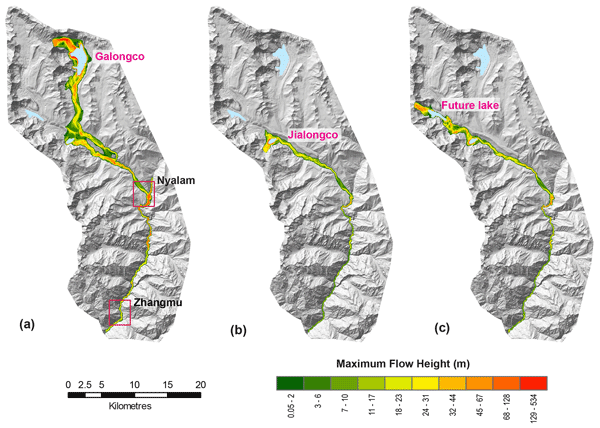
alongside that of worst-case scenarios from current lakes, as well as how this information is relevant for disaster risk management. We have focused on two previously identified dangerous lakes (Galongco and Jialongco), comparing the timing and magnitude of simulated worst-case outburst events from these lakes both in the Tibetan town of Nyalam and downstream at the border with Nepal. In addition, a future scenario has been assessed, whereby an avalanche-triggered GLOF was simulated for a potential large new lake forming upstream of Nyalam. Results show that large (>20×106 m3) rock and/or ice avalanches could generate GLOF discharges at the border with Nepal that are more than 15 times larger than what has been observed previously or anticipated based on more gradual breach simulations. For all assessed lakes, warning times in Nyalam would be only 5–11 min and 30 min at the border. Recent remedial measures undertaken to lower the water level at Jialongco would have little influence on downstream impacts resulting from a very large-magnitude GLOF, particularly in Nyalam where there has been significant development of infrastructure directly within the high-intensity flood zone. Based on these findings, a comprehensive approach to disaster risk management is called for, combining early warning systems with effective land use zoning and programmes to build local response capacities. Such approaches would address the current drivers of GLOF risk in the basin while remaining robust in the face of worst-case, catastrophic outburst events that become more likely under a warming climate.
This study evaluates the risks of glacial lake outburst floods in transboundary Himalayan basins, highlighting how new lake formations could exacerbate existing threats. It proposes methods for assessing potential future flood scenarios to improve disaster risk management strategies in the region.

24. GitHub Outage Tracker: Is GitHub Cooked? (isgithubcooked.com)
Track GitHub service incidents and outages. Real-time stats, incident history, and downtime analytics.
Monitor GitHub’s service reliability with real-time updates on outages and historical incident data. This tracker provides insights into the platform’s performance and any disruptions users may face.

25. Disruption with Some GitHub Services (www.githubstatus.com)
GitHub's Status Page - Disruption with some GitHub services.
Several GitHub services are currently experiencing disruptions, as noted on their Status Page. Users may face issues accessing certain features, so it’s important to check for updates if you’re relying on these services.
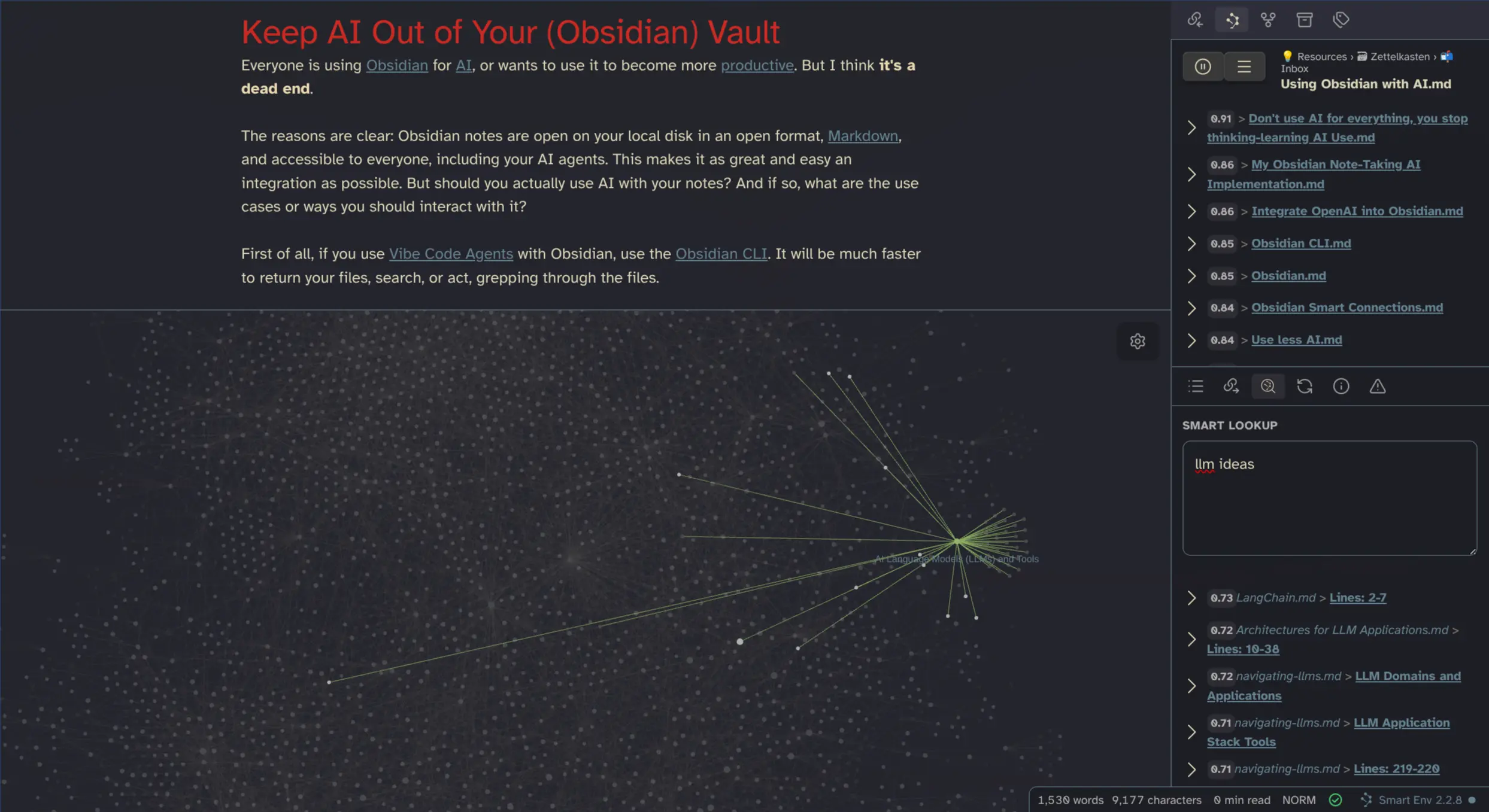
26. It's so hard to finish an idea that is not yours (and suggested by AI) (www.ssp.sh)
Everyone is using Obsidian for AI, or wants to use it to become more productive. But I think it's a dead end.
Many users are turning to Obsidian to enhance their productivity with AI, but one perspective suggests that relying on AI-generated ideas may lead to unfulfilled potential. The article argues that this approach could ultimately be a dead end for creativity and innovation.

27. Fake US thinktank set up and funded by Israel sought to game AI for propaganda (www.theguardian.com)
In effort to prime chatbots to make pro-Israel arguments the site published 124 reports, over 560,000 words in nine days, Guardian analysis shows
A fake think tank funded by Israel has attempted to influence AI chatbots to promote pro-Israel narratives, publishing an extensive amount of content in just nine days. This raises important questions about the intersection of technology and propaganda.
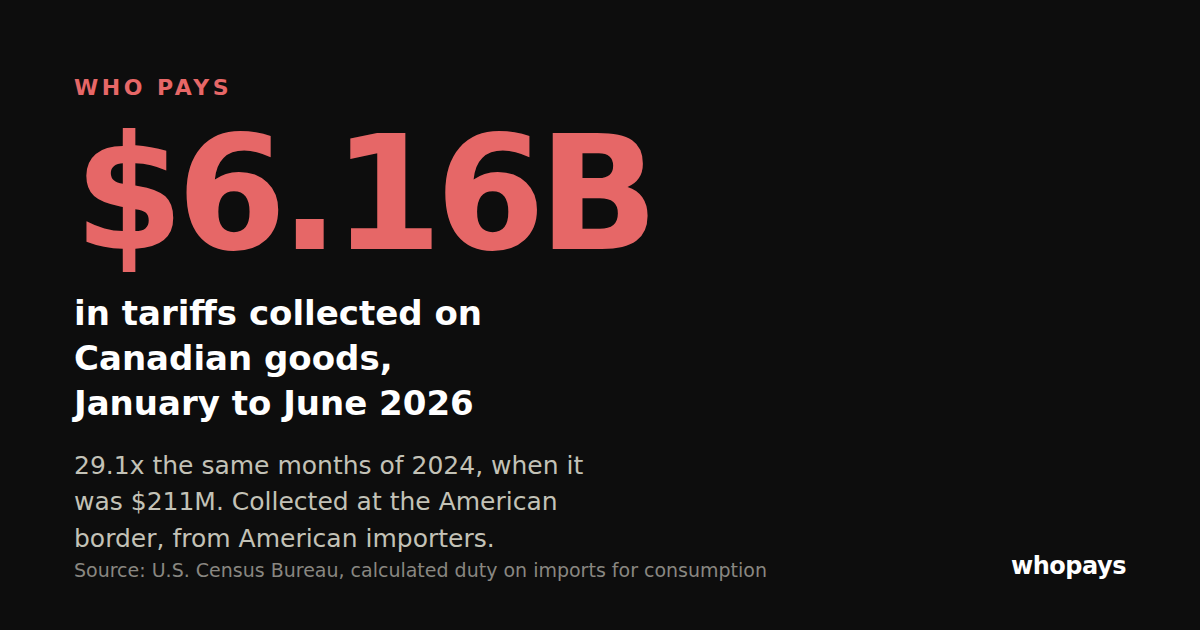
28. The Tariff Cost: analysis of the costs to Americans from new tariffs on Canada (thetariffcost.com)
$6.16 billion in tariffs collected on Canadian goods so far this year — 29 times the 2024 figure. Counted from US customs data, state by state.
New tariffs on Canadian goods have led to a staggering $6.16 billion collected this year, significantly surpassing projections for 2024. The article breaks down the financial impact state by state, revealing the real costs to American consumers and businesses.

29. mold: A Parallel Linker (arxiv.org)
Linking is a critical step in the software build process that combines compiled object files into a single executable or shared library. Despite decades of engineering effort, link times remain a significant bottleneck in the edit-compile-debug cycle, particularly for large C++ programs. Existing linkers exploit limited parallelism, leaving most CPU cores idle during linking. We present mold, a Unix/Linux linker that applies data parallelism systematically across the entire linking pipeline. We first analyze the architectural constraints that prevent existing linkers from scaling, including entangled symbol resolution and archive processing, and then show how a clean-slate design that decouples them overcomes these limitations. On large real-world programs, mold links multi-gigabyte debug binaries in at most a few seconds, and often in under a second. It is 2.4-16.1x faster than the state-of-the-art lld linker, and up to 112x faster than the traditional GNU ld. An ablation study shows that no single optimization dominates; the speedup comes from the cumulative effect of parallelizing all passes.
Mold is a new linker designed to speed up the linking process for large C++ programs by utilizing data parallelism throughout the linking pipeline, addressing a long-standing bottleneck in software development. This innovative approach promises to make better use of CPU resources, potentially reducing wait times during the edit-compile-debug cycle.

30. Dallas startup enriches Uranium (www.actinideinc.com)
Actinide becomes the first startup to enrich natural uranium into HALEU, advancing a secure, scalable fuel supply for next-generation nuclear reactors.
Actinide has achieved a significant milestone by becoming the first startup to convert natural uranium into high-assay low-enriched uranium (HALEU), which is crucial for the development of next-gen nuclear reactors. This advancement promises to enhance the security and scalability of nuclear fuel supplies.