1. Kagi added a setting for removing paywalled links from search results (kagi.com)

Better search results with no ads. Welcome to Kagi (pronounced kah-gee), a paid search engine that gives power back to the user.

Kagi, a paid search engine, now offers a feature that removes paywalled links from search results, enhancing the user experience by providing ad-free results. This change aims to give users more control over their search experience.
3. Felony Bench (www.felonybench.com)

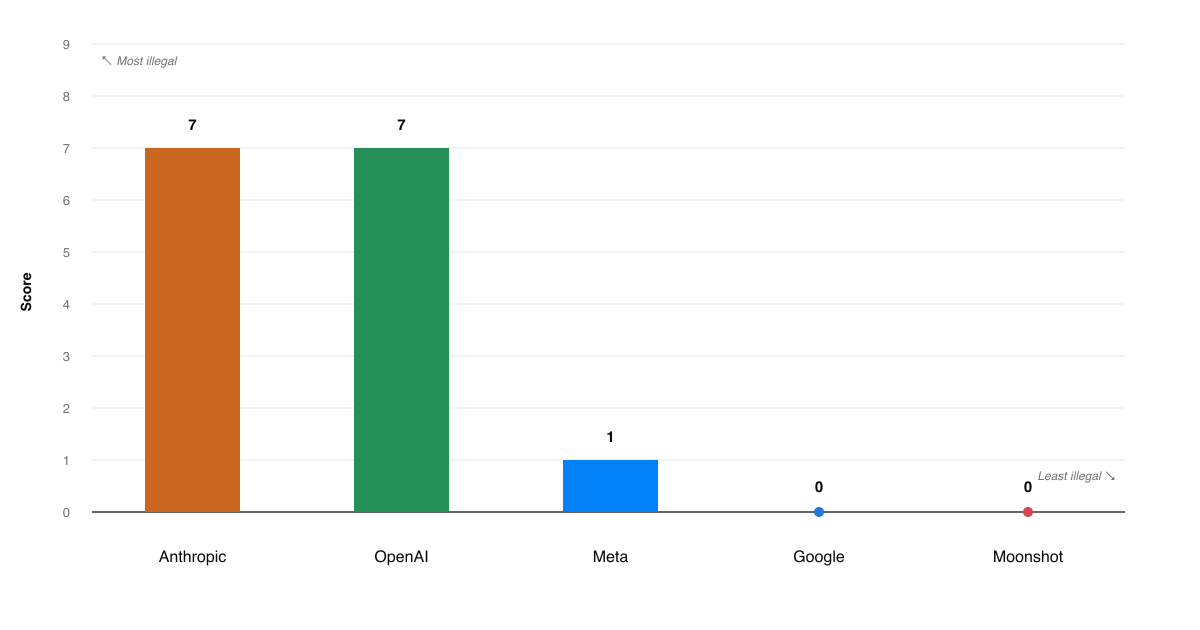
Felony Bench is the most important benchmark of our time, some are saying, counting the number of questionable decisions made by AI agents. We might need a Pandemic Bench soon...

Felony Bench tracks the controversial decisions made by AI systems, raising questions about their accountability. With discussions of a potential Pandemic Bench on the horizon, this topic is becoming increasingly relevant in the age of AI.

5. Grand jury declines to indict Ohio man charged with destroying Flock camera (san.com)

The grand jury's decision not to charge Cody Morelock comes amid a growing backlash against Flock and its cameras.

A grand jury has decided not to indict Cody Morelock for allegedly damaging a Flock surveillance camera, reflecting increasing public dissent against the company’s monitoring practices. This decision highlights the ongoing debate over privacy and surveillance technology in communities.

6. I accidentally logged phone calls to military bases (lina.sh)

How an expired nameserver let me take over e164.arpa zones for multiple territories, and why I probably should have checked my logs sooner.

A misconfigured nameserver allowed access to sensitive phone call logs for military bases, revealing the importance of monitoring system logs. The author shares a cautionary tale about the consequences of oversight in network management.

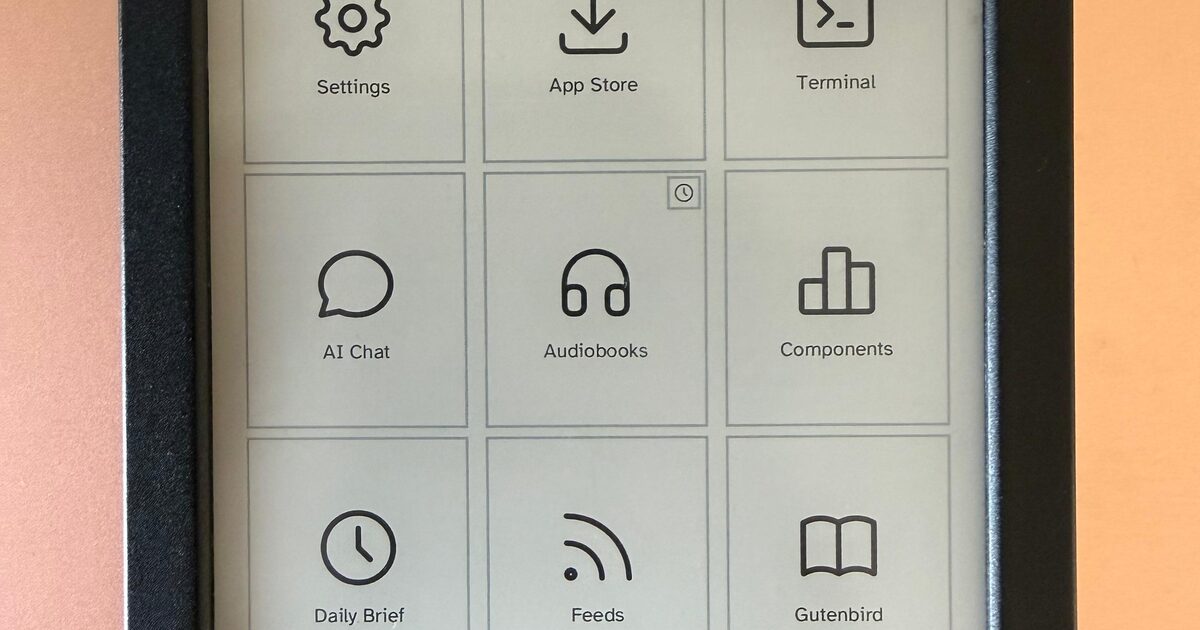
7. Kobo can run apps now (bandarlabs.github.io)

A launcher, a signed App Store, a Rust SDK, and a capability-isolated runtime for the Kobo Clara BW. Install once over USB; everything after that arrives over Wi-Fi.

Kobo Clara BW now supports apps with a new launcher and a dedicated App Store, allowing users to install software via USB and receive updates over Wi-Fi. The addition of a Rust SDK and a capability-isolated runtime enhances its functionality for developers and users alike.

8. AI companies destroy physical books – let's scan rare books before it's too late (annas-archive.gl)

AI companies are secretly buying, scanning, and destroying millions of physical books to train their models, permanently locking human knowledge inside private corporate servers. Anna’s Archive is urgently calling on volunteers worldwide to scan and upload books to their shadow library before this cultural heritage disappears forever.

AI companies are reportedly purchasing and scanning millions of physical books, often destroying them in the process, which threatens access to valuable knowledge. A global initiative is urging volunteers to help preserve this cultural heritage by scanning and uploading rare books to a digital archive.

10. I'm Becoming AI-Blind (cymerys.com)

Recently I've been catching myself having these little moments at work, when I'm trying to read a document someone has sent me and my brain somehow refuses to analyze it. It feels like I'm reading it, but I'm unable to focus on its content. I sat down to analyze these situations and realized they all have a common denominator: the documents all show a strong trace to AI. My brain learned to quickly spot signs of AI-generated content, at least the low effort one, and it now ignores it and moves on without thinking much about it.

A writer reflects on their growing difficulty in engaging with documents that exhibit signs of AI generation, highlighting a shift in their cognitive response to these materials. This insight raises questions about how our interaction with AI content might affect our focus and comprehension.

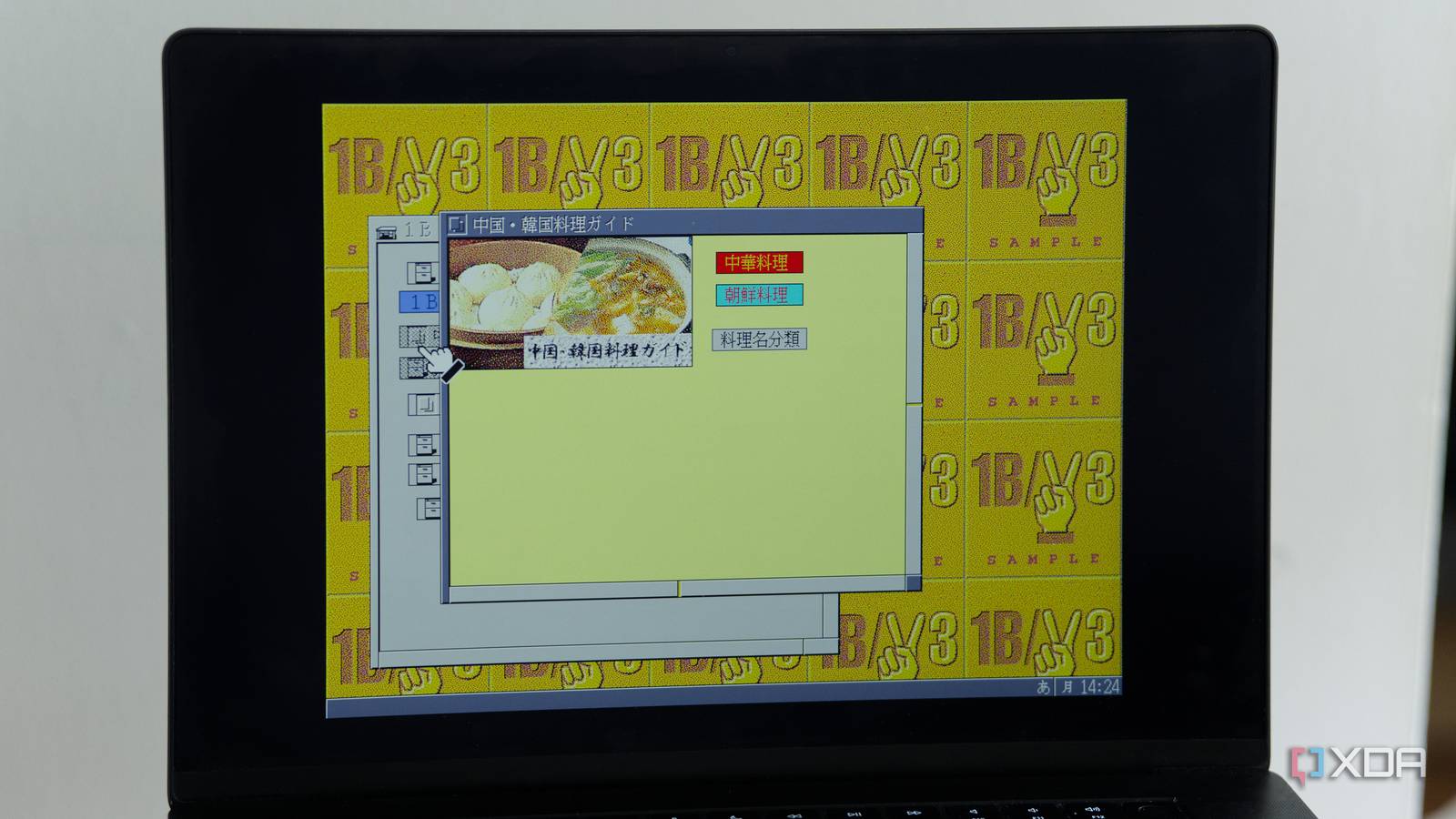
12. Japan tried to build an operating system for the world, the US intervened (www.xda-developers.com)

TRON was an ambitious project to say the least, and after a good start, it suddenly came to a screeching halt.

Japan’s TRON project aimed to create a global operating system but faced unexpected challenges that led to its abrupt end. The article examines the factors behind its initial promise and the reasons for its downfall.

14. Claudette: Make Claude Stop Talking Like a BuzzFeed Article (github.com)

A Claude Code skill (/debuzz) that pipes Claude's answers through Gemini to remove the BuzzFeed voice - adnanakil/nobuzz

A new Claude Code skill aims to filter out the overly casual, BuzzFeed-style language from Claude’s responses. By using Gemini, it enhances the clarity and professionalism of the AI’s communication.

15. We are living in a version of the future out of J.G. Ballard or William Gibson (precastreinforced.co.uk)

Don’t let the absence of a flying car in your garage distract you: we are definitely now living in a version of the future out of J.G. Ballard or William Gibson. Every day I notice a news story tha…

The article argues that our current reality reflects the speculative futures imagined by authors like J.G. Ballard and William Gibson, highlighting how modern life resonates with their themes. It points to everyday news stories that illustrate this connection, making a case for the relevance of their visions today.

16. The Lost Treasure of Sid Meier's Pirates (remapradio.com)

A Pirates fan looks at 40.

A longtime fan reflects on the enduring legacy of Sid Meier’s Pirates as they celebrate their 40th anniversary. Discover how the game shaped their love for gaming and its impact on the genre.

18. Stealth Model (openrouter.ai)

Ox Alpha is a reasoning model designed for coding, sustained agentic work, and production workloads. This model is free to use. 1,048,576 token context window, maximum output of 131,072 tokens.

Ox Alpha is a new reasoning model tailored for coding and production tasks, offering a massive context window of over a million tokens. Best of all, it’s available for free, making it an accessible tool for developers and researchers.

20. Quick impressions: A week of using Codex more than Claude (allaboutcoding.ghinda.com)

Claude goes above and beyond what is asked and guesses what you might want. Codex does what you tell it and stops at the first sign that it might be done. Ten impressions from a week of using Codex more.

After a week of using Codex, the author shares ten key impressions, highlighting its straightforward approach compared to Claude’s more intuitive guessing. The insights reveal how Codex prioritizes clarity and specificity in task execution.

22. Omacom Foundation Launches with $8M (omarchy.org)

It’s time to dream big. Omarchy Quattro has given people a chance to experience what the malleable computer of the future looks like, and they like it (a lot!). It now feels like a moral obligation to make this future more broadly…

The Omacom Foundation has launched with an $8 million backing to promote the innovative malleable computer concept showcased by Omarchy Quattro, which has garnered significant interest. The initiative aims to expand access to this futuristic technology and encourage broader engagement with its potential.

23. How We Made a Text-to-Speech Model Respond in Sub-50 ms (nari-labs.com)

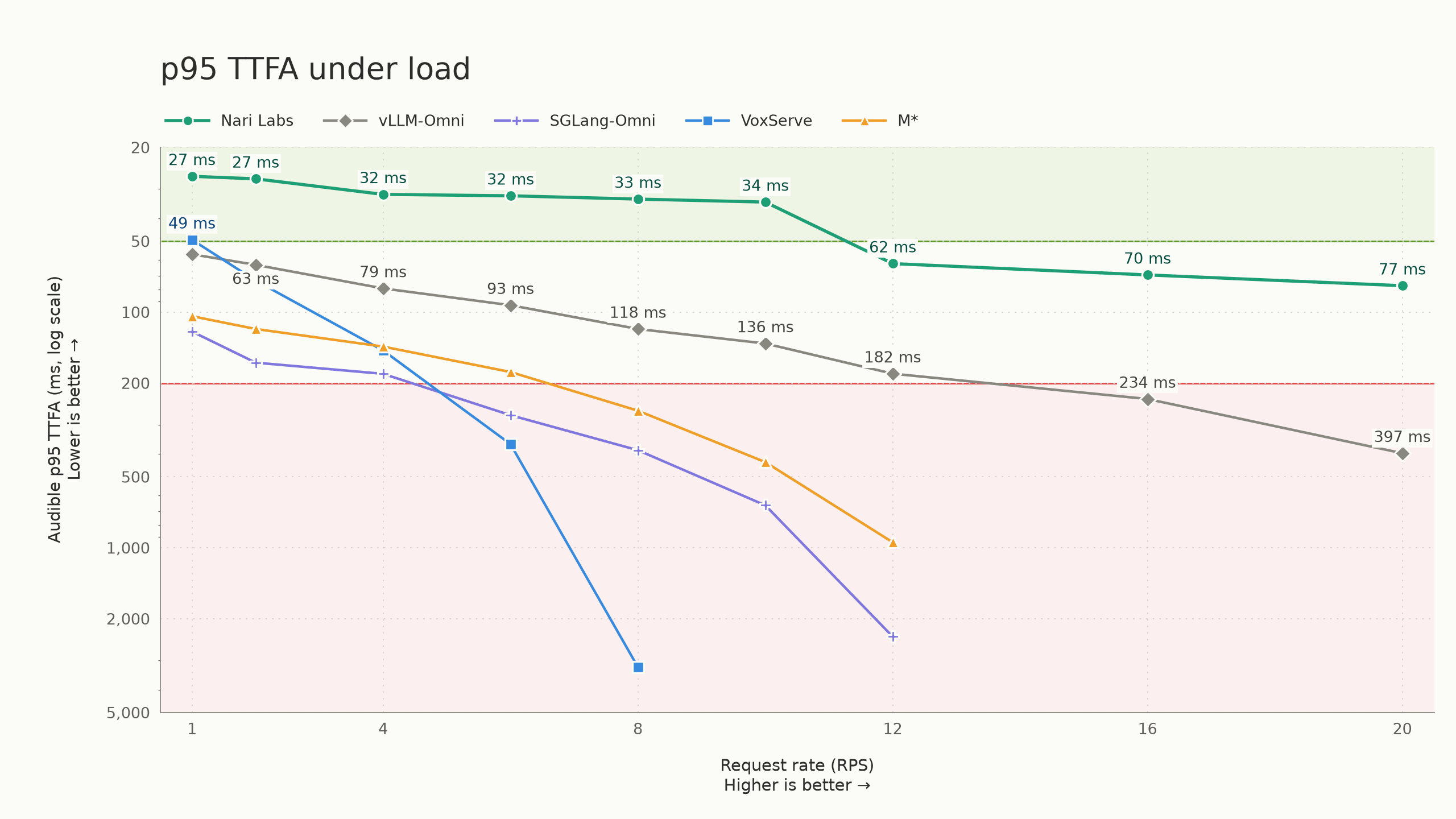
10 RPS with p95 TTFA under 50 ms on a single H100: how we optimized Qwen3-TTS serving.

Learn how the team achieved impressive response times for their text-to-speech model, Qwen3-TTS, running on a single H100 GPU. The article details their optimization strategies that enable 10 requests per second with a 95th percentile time-to-first-audio under 50 milliseconds.

27. Codex on AWS bedrock bug causing 10x charges (github.com)

Summary Native Codex CLI requests to Amazon Bedrock Mantle cannot opt into GPT-5.6 Sol explicit prompt caching. On an agentic coding workload, this has produced a large volume of cache-write tokens...

A bug in the Codex CLI for Amazon Bedrock Mantle is leading to unexpectedly high charges due to excessive cache-write tokens. The issue affects users trying to utilize GPT-5.6 Sol prompt caching in their coding tasks.

28. We Rebuilt the Linux MicroVM Stack on Apple Silicon (encore.dev)

Firecracker needs KVM and therefore a Linux host, and the image tooling around it needs loop mounts and Linux userland. We rebuilt the stack on Apple's Virtualization.framework to boot the same OCI images as microVMs on macOS and on Linux.

A new implementation of the Firecracker microVM stack has been developed to run on Apple Silicon, utilizing Apple’s Virtualization.framework. This allows for the booting of the same OCI images on both macOS and Linux, enhancing compatibility and performance for developers using Apple hardware.

29. A look under our trunk: what's in our compute (waymo.com)

Compute is the brain of the Waymo Driver, translating raw sensor data into real-time driving commands. Operating demonstrably safe, physical AI on the road demands a fundamental shift towards a system engineered for deterministic, low-latency performance. Over the past decade, we have co-designed our hardware, sensors, and algorithms side-by-side to solve the unique constraints of real-world edge compute. We’re offering the first look under our trunk to share our approach to compute, our custom silicon, and how we collaborate with industry leaders to build the most capable computing system on the road.

Waymo reveals how its compute system powers the Waymo Driver, transforming sensor data into driving commands with a focus on safety and performance. Learn about the integration of hardware, sensors, and algorithms that enables real-time decision-making in autonomous vehicles.

Article Details

Browse by Date

Type to search HN and engineering blog articles
Press Escape to close  |  ↑↓ to navigate  |  Enter to open