
1. Things to know if you get cancer in 2026 (jjmaxwell4.com)
Personal website and portfolio


Recent hacking concerns are attributed to security lapses in AI labs rather than rogue AI behavior. Cybersecurity experts recommend that organizations thoroughly evaluate their AI vendors and reinforce basic security measures to prevent future incidents.

Amazon’s pricing strategies are influencing costs across various online retailers, meaning consumers may face higher prices even when shopping elsewhere. This trend raises questions about market competition and consumer choice.

A new office suite prioritizes privacy and simplicity by linking documents without requiring user accounts or saving data online. It’s designed for those who want complete control over their files without the clutter of traditional office software.

A recent post has sparked debate by claiming that passkeys are dangerous and should be avoided. This article counters that argument, addressing the concerns and providing a clearer understanding of passkeys and their security benefits.

A recent survey reveals that Americans are engaging in key social activities far less than they did three decades ago, showing notable double-digit declines. The findings highlight a shifting landscape in social interaction that could have implications for community and mental health.


Major banks like JPMorgan and MUFG are looking to sell off AI data center debt linked to Oracle, as concerns grow over rising credit default swaps and shrinking bond order books. This shift signals increasing caution in the financial sector regarding AI investments.

TypeSafe AI is launching an early access version of its System One Model, Jev, aimed at automating decision-making in software. This new infrastructure is designed specifically for developers looking to integrate machine-native intelligence into their projects.
Christopher Phiri’s profile highlights his diverse skills as a software developer, UX/UI designer, and illustrator, showcasing his experience and educational background. Discover how his unique blend of talents contributes to his work in recreational programming.
Go 1.27 improves the HTTP client to enhance the speed of programs that make numerous sequential HTTP/1 requests, potentially boosting performance for developers. This update is particularly relevant for applications that rely heavily on HTTP/1 connections.

Despite the assumption that Yandex’s outage would silence Russian bots, Cloudflare data shows these malicious operations adapted by shifting to alternative networks. This shift highlights the resilience and adaptability of cyber threats in the face of infrastructure challenges.

Felix Rieseberg, a key contributor to the Claude project at Anthropic, is also involved in maintaining Electron and various open-source initiatives. His unique approach includes some projects with a nostalgic twist, even featuring content on VHS.
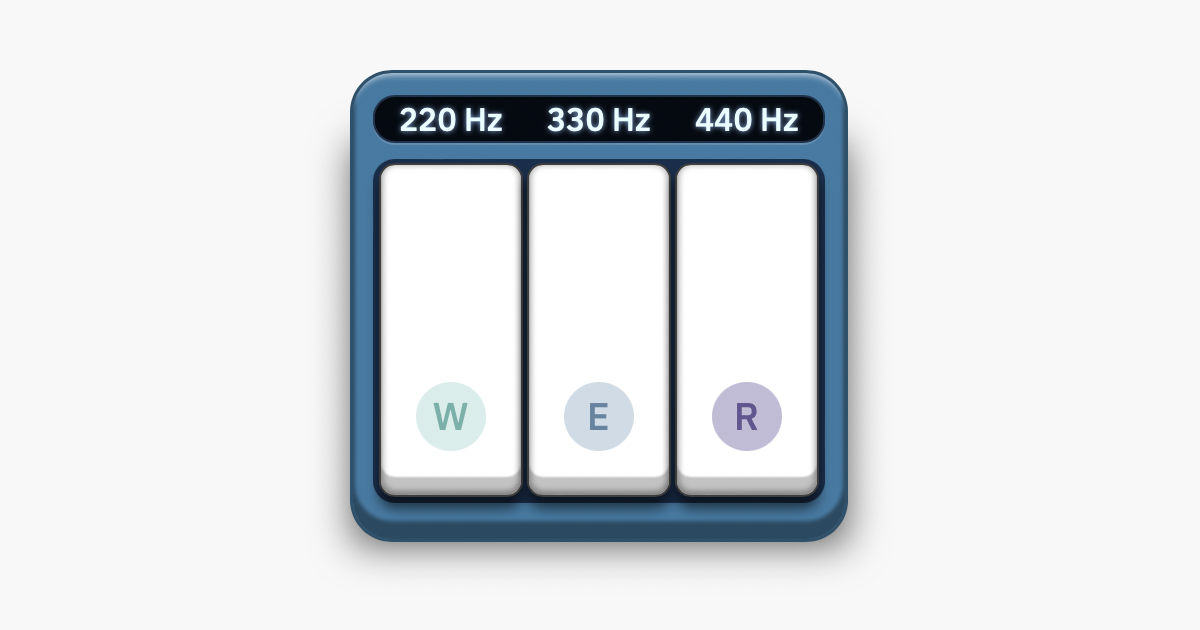
Discover the mechanics behind sound in this interactive piece that breaks down the science in an engaging way. It’s a great resource for anyone curious about audio, from basics to more complex concepts.
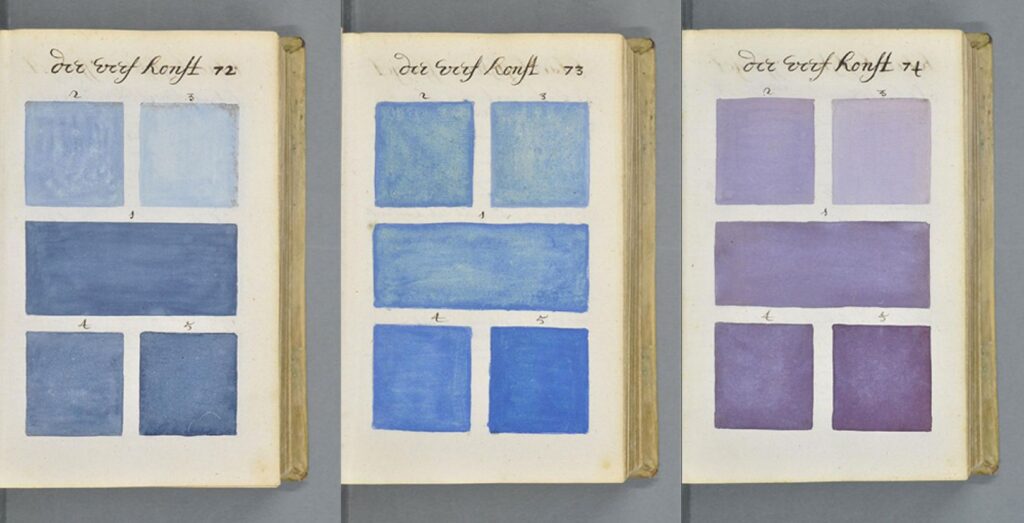
A historical gem, this 900-page guide from 1692 presents a comprehensive collection of paint colors that predates modern color theory and tools. It offers a unique glimpse into the artistic practices of the past, making it a fascinating resource for artists and historians alike.
A former CoScreen team has launched Petal, a new free and open-source tool for pair programming. Built in response to the shutdown of CoScreen, Petal aims to provide a collaborative coding experience inspired by its predecessor.
A new index for PostgreSQL promises improved performance for vector searches, outpacing the existing IVFFlat and HNSW methods. Developers can get involved in its development on GitHub.
Learn about the fascinating history behind Kid Pix, the beloved software that introduced countless children to digital art and creativity. Discover how Craig Hickman developed this iconic program and its impact on early computer education.
Third-level .name domains will be permanently deleted next year, prompting users to consider their migration options. The author shares their own struggles with Azure and seeks advice on how others are handling the transition to new domain types.