1. Submarine Cable Resilience (blog.apnic.net)

The estimated 1.5M kilometres of subsea communications cables underpins our global telecommunication services. This critical infrastructure faces serious challenges in the coming years.

Subsea communications cables are vital for global telecommunications, but they are increasingly threatened by various challenges. Understanding these risks is essential for maintaining connectivity in the future.


2. America Didn't Lose Its Rare Earth Industry. It Sold It (www.lawfaremedia.org)

Markets price for cost. China prices for control. The risk of a rare earths cutoff is asymmetric, and the financing to rebuild American supply should be too.

The article discusses how America’s rare earth industry was not lost but sold off, highlighting the differences in pricing strategies between the U.S. and China. It also emphasizes the importance of financing to restore American supply chains in light of potential risks.

5. Amsterdam police confisquates server left-wing ISP A/I at American request (www.nrc.nl)

Een eenheid van de Amsterdamse politie heeft dinsdag bij een datacenter op het Science Park in Amsterdam een server in beslag genomen van de Italiaanse internetdienstverlener Autistici/Inventati (A/I). Dat is gebeurd op basis van een Amerikaans rechtshulpverzoek. Een kopie van de inhoud van de server wordt nu naar de VS gestuurd. A/I was een linkse antikapitalistische organisatie die de afgelopen…

Amsterdam police seized a server from the leftist ISP Autistici/Inventati (A/I) at the request of U.S. authorities. The server’s contents are being sent to the U.S., raising questions about international cooperation in digital investigations and the implications for political organizations.

6. Virtual Oxide Labs: Emulating a Full Oxide Rack (oxide.computer)

Oxide's approach to emulation, simulation, and tiny versions of big things.

Oxide is focusing on creating emulations and simulations that replicate the functionality of large systems in a more compact form. Learn how their innovative methods could change the way we think about hardware design and testing.

8. The Emperor Pelican Has No Clothes (arcfu.com)

Why do LLM pelicans look so alike? A visual look at diversity collapse and our research on creativity in UI design.

The article examines the lack of diversity among large language model (LLM) interfaces, comparing them to pelicans that all appear similar. It also discusses how this phenomenon affects creativity in user interface design.

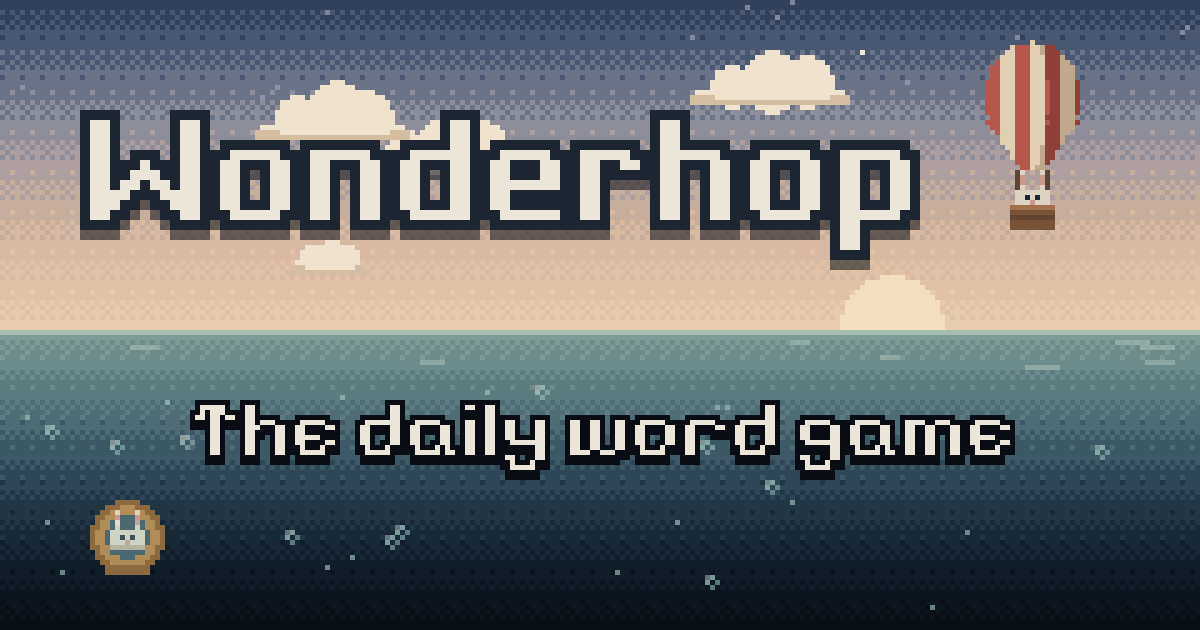
11. Show HN: Wonderhop – A daily game: guess what most people say, or what none do (wonderhop.io)

Free daily game: climb with the answer everyone gives, dive with the one nobody gives. 4 games a day, 30 seconds per question.

Wonderhop is an engaging browser game where players guess popular or obscure answers to daily questions like “Name a food that a lot of people hate.” With no account needed, it features multiple game modes and a leaderboard, making for a fun challenge that taps into diverse language responses.

12. Show HN: Pulse Local, a Mac budgeting app whose AI models run on your machine (pulseos.finance)

Other apps keep your data local and still send your question to someone else’s model. We run the models on your machine too.

Pulse Local is a new budgeting app for Mac that prioritizes user privacy by keeping all data and models on your device, eliminating the need for accounts or internet access. It aims to provide a secure way to manage your finances while answering your spending questions directly on your machine.

14. I built a tool to track what AI leaders say and how their views change on video (blumify.io)

Paste a YouTube, Spotify or Apple Podcasts link and get the transcript, a summary, chapters and notes on a page you can share. Free.

A new tool allows users to input links from platforms like YouTube and Spotify to generate transcripts, summaries, and chapter notes of AI leaders’ discussions. It’s a handy resource for anyone wanting to track the evolving opinions of influential figures in the AI space.

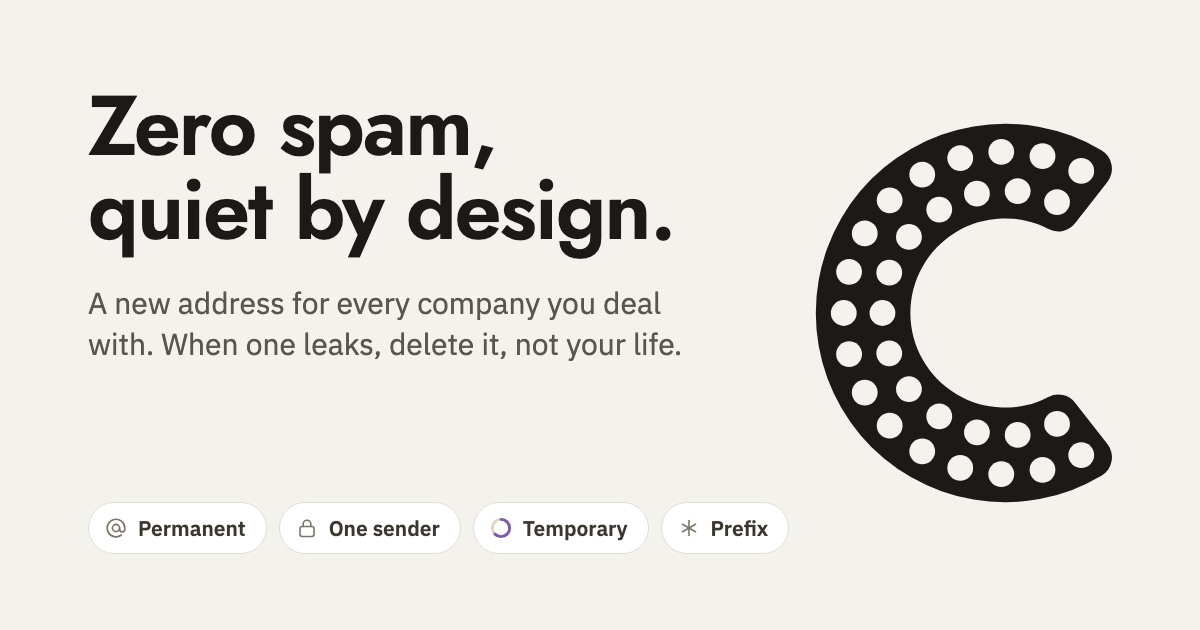
15. Show HN: I wrote an email app that accepts only one sender per inbox (clova.email)

Give every company you deal with its own email address, all in one account. When one leaks or starts sending spam, delete it, not your life.

A new email app offers a unique approach by allowing only one sender per inbox, creating a streamlined way to manage communications. It features self-creating inboxes and options for temporary messages, catering to users who want more control over their email experience.

16. Phloem: Git history grown like a slime mold (phloem.stemdeck.app)

Paste a public GitHub repository and watch every commit feed a growing slime-mold network. Runs in your browser; nothing is uploaded.

Watch as a GitHub repository transforms into a living slime mold network in your browser, with each commit visually contributing to the growth. It’s a unique blend of coding and biology that offers an interactive way to understand version control.

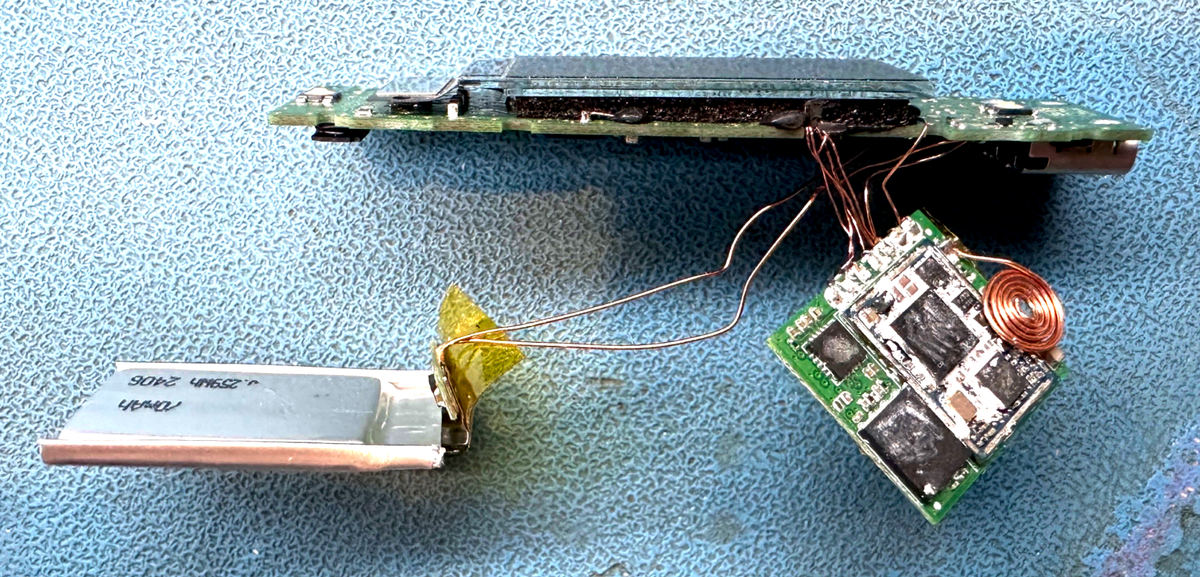
18. Who Is Planting Backdoors in Ledger Crypto Wallets? (www.zetter-zeroday.com)

The theft last week of an estimated $100 million in crypto using a hardware backdoor planted in Ledger wallets points to a sophisticated and systematic attack aimed at subverting crypto wallets sold by legitimate resellers in Asia and Europe

A recent theft of around $100 million in cryptocurrency has raised alarms about a hardware backdoor in Ledger wallets, suggesting a coordinated effort to compromise these devices sold through legitimate channels in Asia and Europe. Understanding the implications of this attack is crucial for crypto users concerned about the security of their assets.

19. Linus Torvalds's first LLM-assisted patch series (lwn.net)

At the recently concluded Maintainers Summit, Linus Torvalds said that he had been using a larg [...]

Linus Torvalds revealed his experience using a large language model to assist in creating a new series of patches. This marks a significant moment for open-source development and highlights the growing role of AI in software engineering.

20. LittleJS is 2D and 3D now (frankforce.com)

LittleJS just got the biggest update since it launched! It is still the small, fast, dependency-free HTML5 game engine it always was. Now it also has a full 3D renderer sharing the canvas with your…

LittleJS has received a major update that adds a full 3D renderer while maintaining its lightweight, dependency-free nature. This enhancement allows developers to create both 2D and 3D games using the same engine, expanding its versatility.

21. Show HN: A guided 3D Leonardo da Vinci museum, built in code (museumofages.org)

Experience a free virtual tour of a digital museum dedicated to Leonardo da Vinci, featuring 17 interactive stops showcasing his paintings, machines, and anatomy studies. This innovative project brings his works to life in a way that allows you to explore them in detail from anywhere.

22. Strafe: A new open-source, E2E Encrypted, and federated alternative to Discord (strafe.chat)

Free and open source communication platform that champions free speech and privacy. Built by the community, for the community.

Strafe offers a community-driven communication platform that prioritizes privacy and free speech through end-to-end encryption and a federated structure. It’s an appealing alternative for those seeking more control over their online interactions.

23. Running Windows desktop tests from Linux with disposable VMs (www.qawolf.com)

How QA Wolf runs Windows desktop app tests in parallel: single-use VMs from warm pools on Google Compute Engine, driven from Linux over CDP and Appium.

QA Wolf utilizes disposable virtual machines on Google Compute Engine to efficiently run tests for Windows desktop applications from a Linux environment. This approach leverages CDP and Appium to enable parallel testing, enhancing productivity and speed.

24. RIP Eric Binnion (ma.tt)

For the next 30 days, a few billion of you will get an extra header in honor of Eric Binnion. The code in Nginx to do this is poetic: add_header X-Remembering “Eric Binnion < always; Our design …

A special header will appear for the next month in honor of Eric Binnion, showcasing a touching tribute in Nginx code. This gesture reflects the impact he had on the tech community.

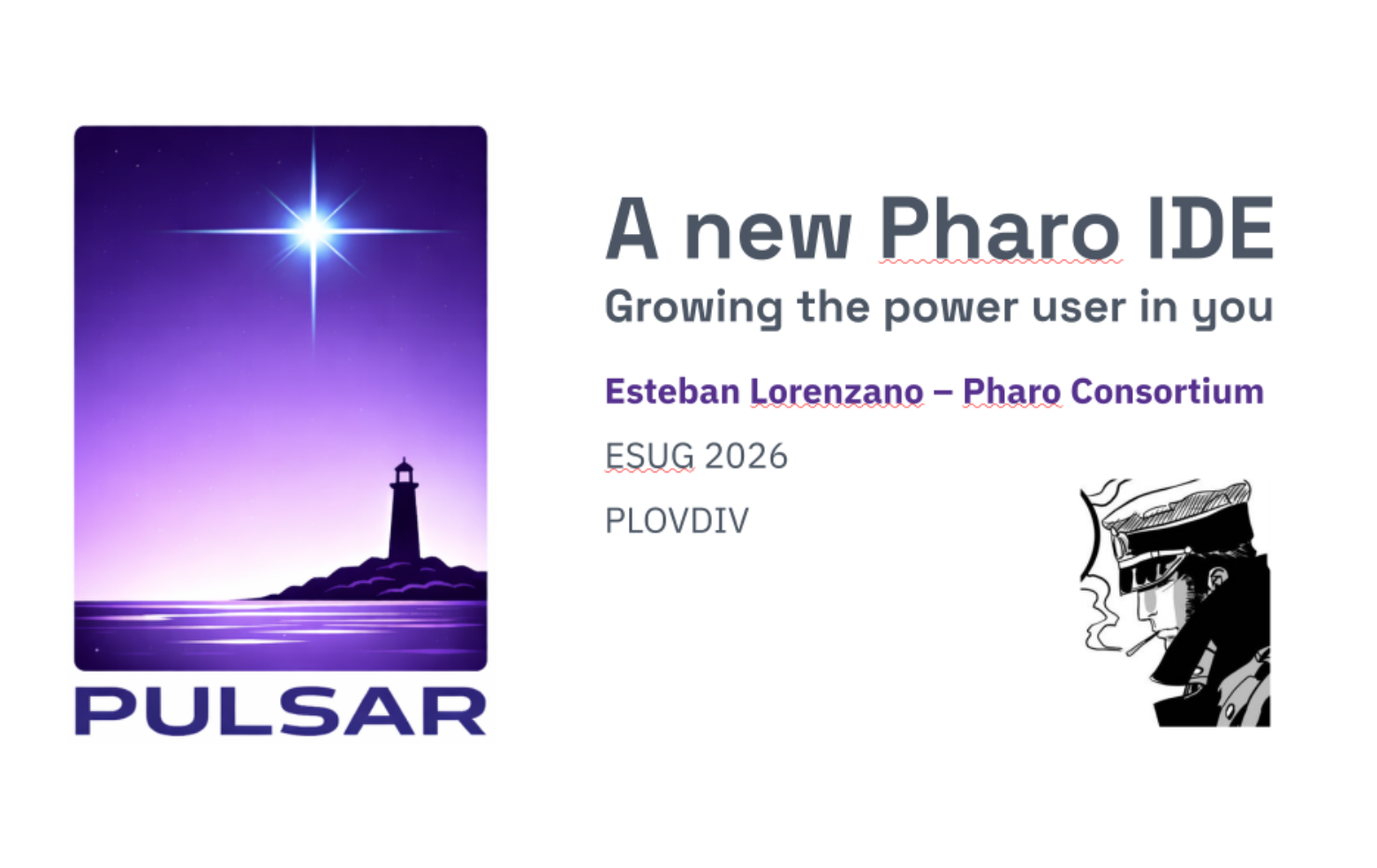
25. Pulsar at ESUG 2026 (new Smalltalk IDE) (blog.lorenzano.eu)

At ESUG 2026 I presented Pulsar, a new coding-first IDE for Pharo. The talk explores why staying close to the code still matters in the age of generative agents—and where Pulsar is heading next.

Pulsar is a new IDE designed for Pharo that emphasizes a coding-first approach, highlighting the importance of direct interaction with code despite advancements in generative agents. The presentation discusses its features and future developments.

27. Arena Allocators in C (eliasebner.com)

In this article, I show you a simple yet effective arena allocator implementation in the C programming language. It significantly eases the task of managing memory in such a low level language.

Learn how to implement a straightforward arena allocator in C that simplifies memory management, making it easier to work with this low-level programming language.

28. Kcgi – minimal CGI and FastCGI library for C/C++ (kristaps.bsd.lv)

A C/C++ library for security-oriented web applications.

Kcgi is a lightweight library designed for developers building secure web applications in C and C++. It offers a minimalistic approach to implementing CGI and FastCGI, making it a practical choice for those prioritizing security in their projects.

29. Details Leak from Meeting Where Weiss's 'Handpicked' Editor Threatened CBS Staff (www.mediaite.com)

A top CBS News editor appointed by editor-in-chief Bari Weiss reportedly threatened staffers with termination during a tense meeting Tuesday morning that erupted into a confrontation over the network's coverage of Israel and Gaza.

Tensions escalated during a CBS News meeting when an editor appointed by Bari Weiss allegedly threatened staff with termination, highlighting internal conflicts over the network’s reporting on the Israel-Gaza situation. The incident raises questions about editorial freedom and the influence of leadership on news coverage.

Article Details

Browse by Date

Type to search HN and engineering blog articles
Press Escape to close  |  ↑↓ to navigate  |  Enter to open