1. Jev Is Not a Language Model, but It Breaks Like One (blog.checkpoint.com)

A new kind of AI model returns decisions instead of text. We spent a day trying to change its mind. It cost about 50 cents. In this article Jev is a new %

A novel AI model called Jev focuses on providing decisions rather than generating text, and the experience of testing its limitations turned out to be both intriguing and surprisingly economical. Discover how this unique approach to AI challenges traditional expectations.

2. Lazydraw: Terminal ASCII editor for drawing diagrams and sketches (github.com)

Terminal ASCII editor for drawing quick diagrams and sketches. - mpospirit/lazydraw

Lazydraw is a terminal-based tool that allows users to create diagrams and sketches using ASCII art. It’s a handy option for those who prefer a simple, text-based approach to visual representation.

4. Security headers on 4,688 small-business websites: 49.7% met none of 7 criteria (rackcrunch.com)

We scanned 7,040 directory-listed U.S. local-business websites for security headers. Half met none of seven criteria. Full report, data and code.

A recent scan of over 7,000 local business websites revealed that nearly half lack essential security headers, raising concerns about their online safety. The findings highlight a significant gap in cybersecurity practices among small businesses.

5. Show HN: Radix – Visual UI for agentic programming (radix-os.com)

Persistent, interactive artifacts that serve as custom tools for your codebase.

Radix is a new UI tool designed to help programmers create interactive workspaces for their coding tasks. It allows users to prompt agents to generate widgets that can persist locally, making it easier to visualize results and test experiments without the hassle of setting up separate applications.

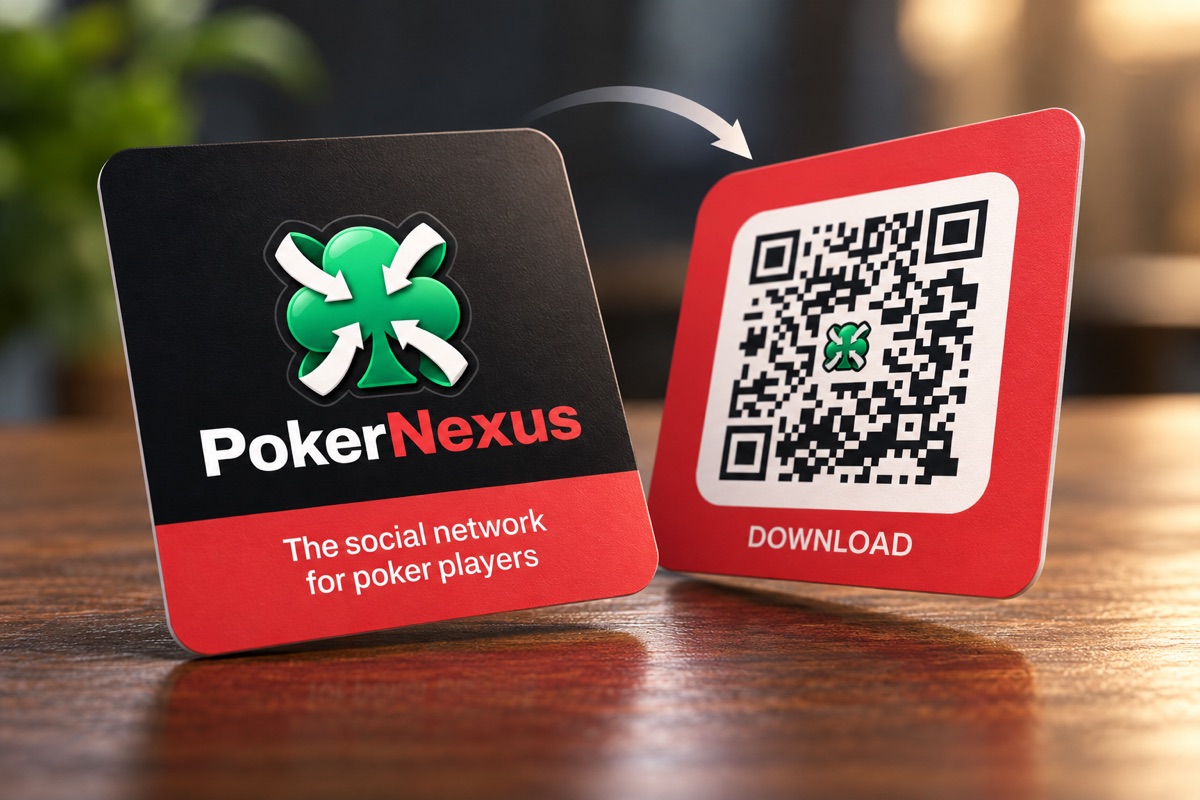
12. QR Codes That Route to the Appropriate App Store (matthuggins.com)

A printed QR code holds exactly one URL, but a phone that scans it should land in the right app store. Here's the small redirect service behind the PokerNexus business cards: how it picks the App Store, Google Play, or the website, and the crawlers, iPads, caches, and universal links that shaped it.

A new service allows printed QR codes to direct users to the correct app store based on their device, enhancing user experience. The article details how this technology works and the various components that contribute to its functionality.

13. Liquid Network Security Incident Assessment (blog.blockstream.com)

Note to readers: The information contained in this report is current as of the date of publication and may be updated as the investigation continues. Technical claims are drawn from internal and external documentation, supporting source materials and on-chain analysis. We thank the Liquid Federation Board and functionary node

14. We've Turned Starlink into a Planetary Barometer (www.spaceweather.com)

How Spaceweather.com measures the density of Earth

Learn how Spaceweather.com utilizes Starlink technology to measure Earth’s atmospheric density, providing valuable insights into space weather patterns. This innovative approach could enhance our understanding of environmental changes and their effects on the planet.

15. Show HN: Critic – Review code with the agent that wrote it (www.critic.run)

A narrative code-change viewer built for work written by coding agents.

Critic is a new platform that enables developers to interact directly with the AI responsible for writing their code, addressing the challenges of understanding changes and their implications in projects. This tool aims to improve collaboration and clarity in code reviews, especially as AI becomes more integrated into the development process.

16. Looks promising for document editing with your agent (www.paperinstruments.com)

Agent-first Python packages for editing Word documents, PowerPoint presentations, and Excel workbooks.

New Python packages prioritize agent-first design for editing popular Microsoft Office formats like Word, PowerPoint, and Excel. This approach aims to enhance user experience and streamline document management.

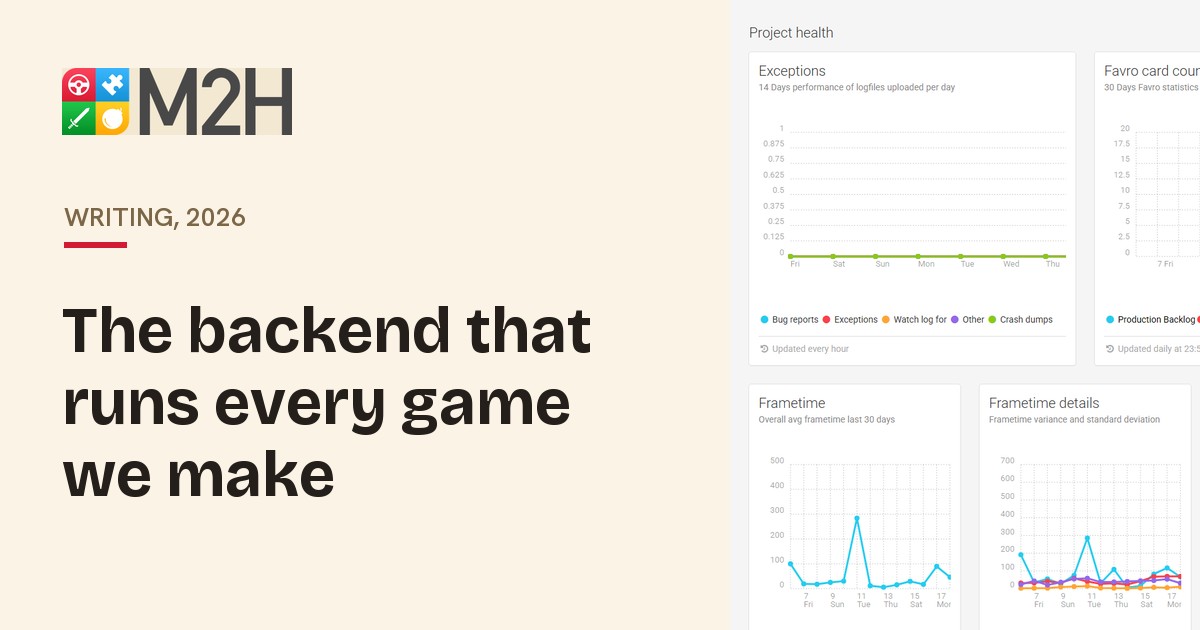
19. The backend that ran every game we made, ten years and counting (www.m2h.nl)

Seven games, eleven platforms, one self-built backend for crash reports, remote config, cloud auth and console ports. One developer, ten years, now in C#.

A developer reflects on a decade of building a custom backend that supports multiple games across various platforms. Learn how this infrastructure has evolved to handle crash reports, remote configuration, and more.

Article Details

Browse by Date

Type to search HN and engineering blog articles
Press Escape to close  |  ↑↓ to navigate  |  Enter to open