
1. Show HN: Go CLI for website health checks, zero dependencies (github.com)
A fast CLI for checking website and domain health. - atillalab/site-health
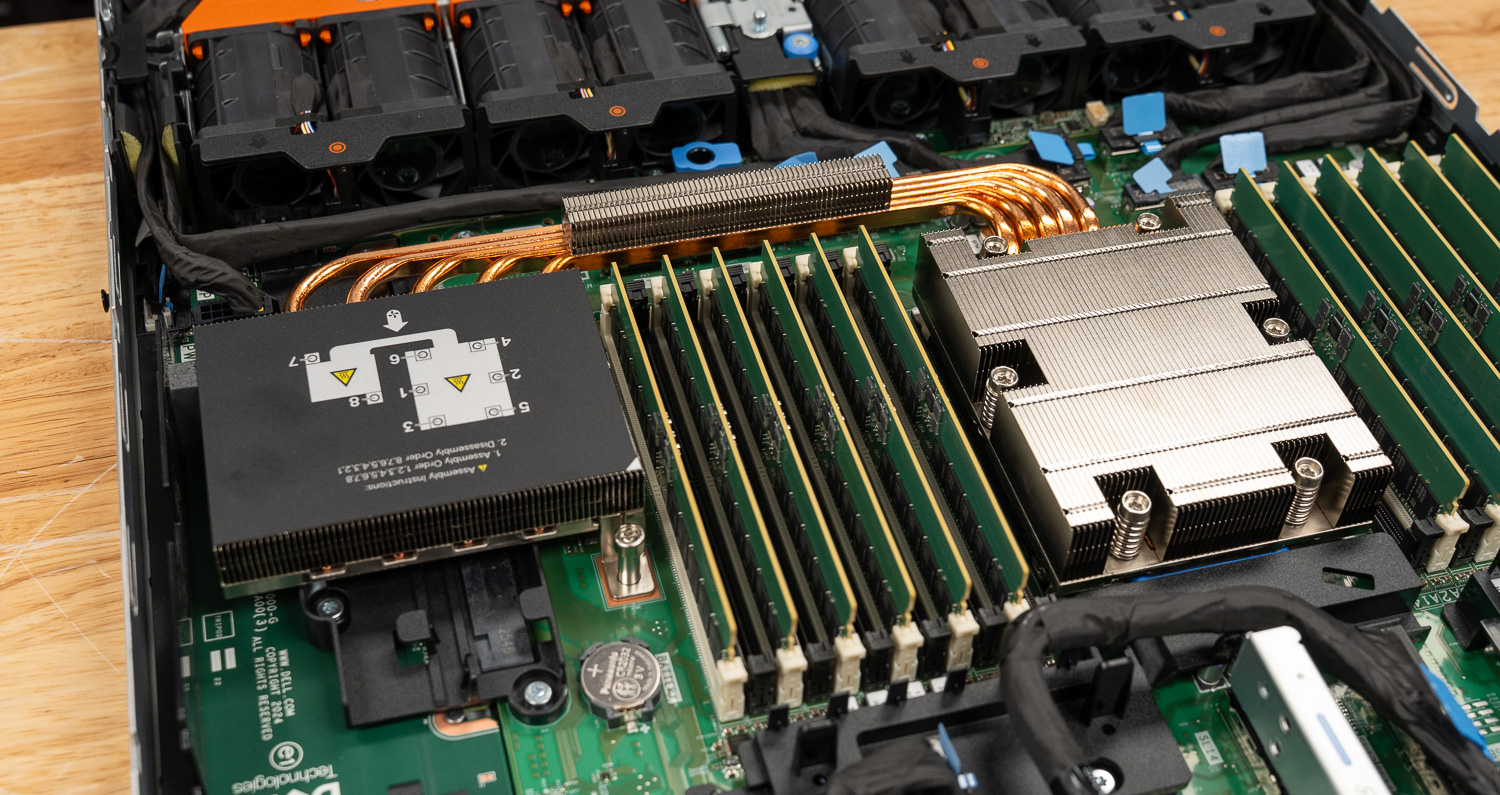
Micron is investing $500 million to support US wafer supply, while SK hynix is planning a significant $38 billion expansion for new fabs in Korea and preparing HBM packaging in Indiana. Despite these commitments, substantial increases in RAM capacity won’t materialize until 2028.

A look at five everyday experiences that have transformed into luxuries, highlighting how our fast-paced lives have made silence, simple foods, and personal interactions increasingly rare and expensive. Discover what these changes reveal about modern living.

The article provides a summary of the inaugural Homebrew Website Club in the Asia Pacific region, highlighting key takeaways and reflections from the event. It’s a valuable read for anyone interested in the IndieWeb movement and community initiatives.
Argus is an open-source tool designed for visual UI testing, aimed at teams looking to streamline their quality assurance processes. It allows developers to keep pace with rapid coding by providing a local testing solution.
Meta’s Muse Glimmer is an on-device AI agent that operates without needing cloud support, combining multiple modes of interaction in a compact 30 billion parameter model. This innovation could change how users engage with AI directly on their devices.

A UK trial aims to use AI technology to minimize condensation trails from aircraft, which contribute to global warming by trapping heat in the atmosphere. This initiative could be a significant step toward reducing aviation’s environmental impact.




A proposed standard for large language models has seen limited adoption, with only about 10% of domains implementing it. Major AI crawlers seldom recognize it, and Google has stated it will not support the standard.