1. Discovery Loop (www.discoveryloop.com)

Discovery Loop is building AI systems that automate the experimental loops of science and engineering. Continuous Exploration.

Discovery Loop is developing AI technology to automate the experimental processes in scientific and engineering fields, enhancing the pace of innovation and research. Their focus on continuous exploration aims to streamline how experiments are conducted and analyzed.

2. The next chapter of our AI momentum (blog.google)

Today, Google and Alphabet CEO Sundar Pichai shared some changes with Google DeepMind teams.

Sundar Pichai has announced significant changes within Google DeepMind, hinting at new directions for the company’s AI initiatives. This update could have major implications for the future of AI development at Google.

3. Cloudflare OS: an open platform for agents, apps, and work (blog.cloudflare.com)

Cloudflare OS is an open-source platform that lets everyone in your company build apps, automate work, and safely access internal systems, shaped around what your organization knows and how it operates.

Cloudflare OS is an open-source platform designed for companies to create applications and streamline workflows tailored to their specific needs. It emphasizes security and accessibility for internal systems, making it a practical tool for enhancing organizational efficiency.

4. Pi's Minimalism Is Its Advantage (earendil.com)

How Pi's minimal harness improves coding-agent cost and performance, with examples from Databricks and Shopify's pi-autoresearch extension.

Pi’s streamlined harness boosts the efficiency and cost-effectiveness of coding agents, with real-world applications highlighted from Databricks and Shopify’s pi-autoresearch extension. Discover how minimalism in design can lead to significant performance gains in tech.

5. Zed DeltaDB (zed.dev)

Sign up for early access to continuous source control and review.

Get early access to a new tool that promises to enhance source control and code review processes. Learn how Zed DeltaDB could streamline collaboration for developers.

6. Civilian plane crash in New Mexico tied to military GPS blocking (www.wired.com)

Drone warfare is making the skies more dangerous, even for airplanes far from the battlefield.

A recent plane crash in New Mexico has raised concerns about the impact of military GPS jamming on civilian aviation. As drone warfare expands, the safety of air travel is increasingly at risk, even in areas distant from conflict zones.

7. I'm switching my phone from Android to Linux (runarcn.no)

Since Android is becoming increasingly more locked down and slopped, I'm jumping ship.

A user shares their decision to leave Android for Linux, citing concerns about the platform’s increasing restrictions and clutter. The article discusses the motivations and implications of this switch for personal tech freedom.

8. The Title Cards in Blade Runner Are Fucking Amazing (randsinrepose.com)

Appreciating typography is a study in paradox. The primary goal of well-designed typography is to help you read the words, not appreciate how the words are comp

The article discusses the unique typography used in Blade Runner, highlighting how it balances readability with artistic expression. It emphasizes the impact of title cards on the film’s overall aesthetic and viewer experience.

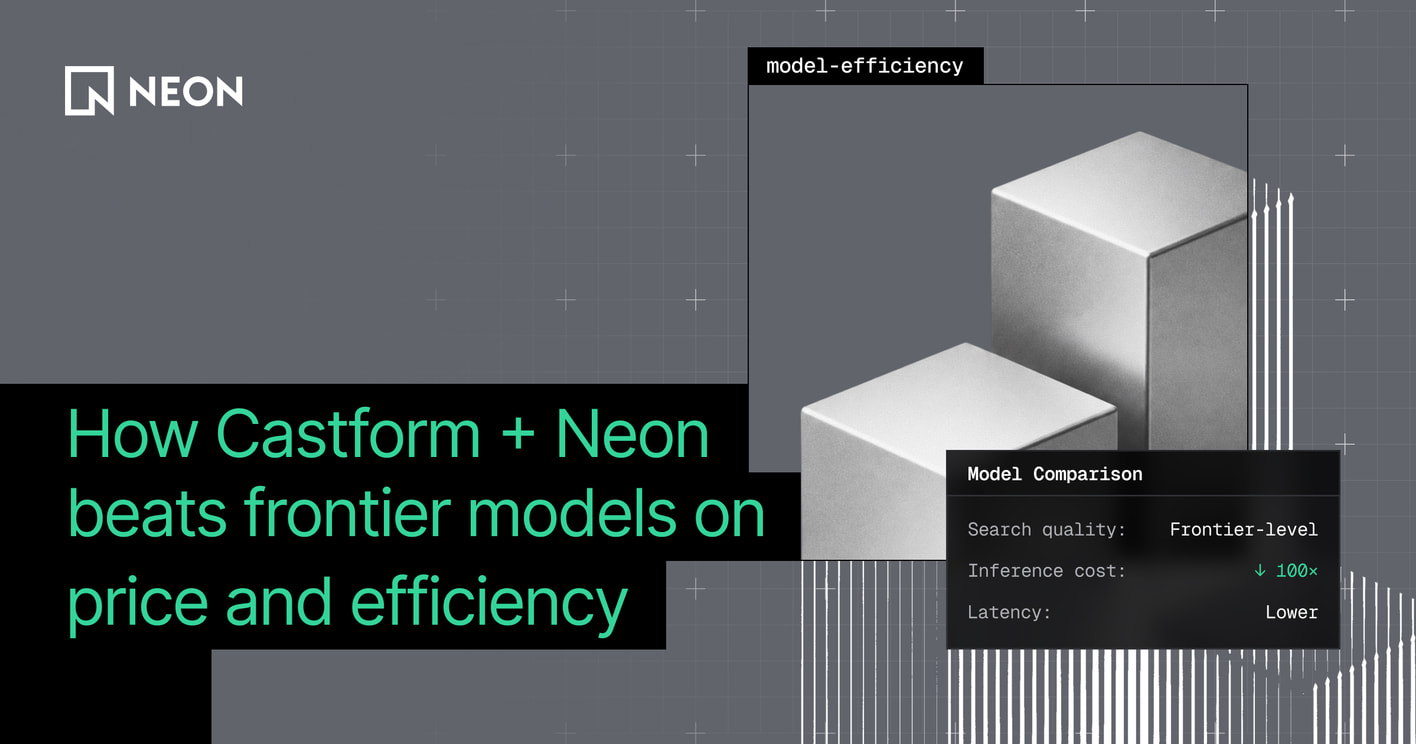
9. Beating GPT-5.6 Sol on retrieval with 100x cheaper open models (neon.com)

A 4B open-source model post-trained with Castform retrieved search results as accurately as GPT-5.6 Sol, while costing 100x less.

A new open-source model demonstrates that it can match the search accuracy of GPT-5.6 Sol at a fraction of the cost, highlighting the potential for more affordable AI solutions. This development could reshape how businesses approach AI-powered retrieval systems.

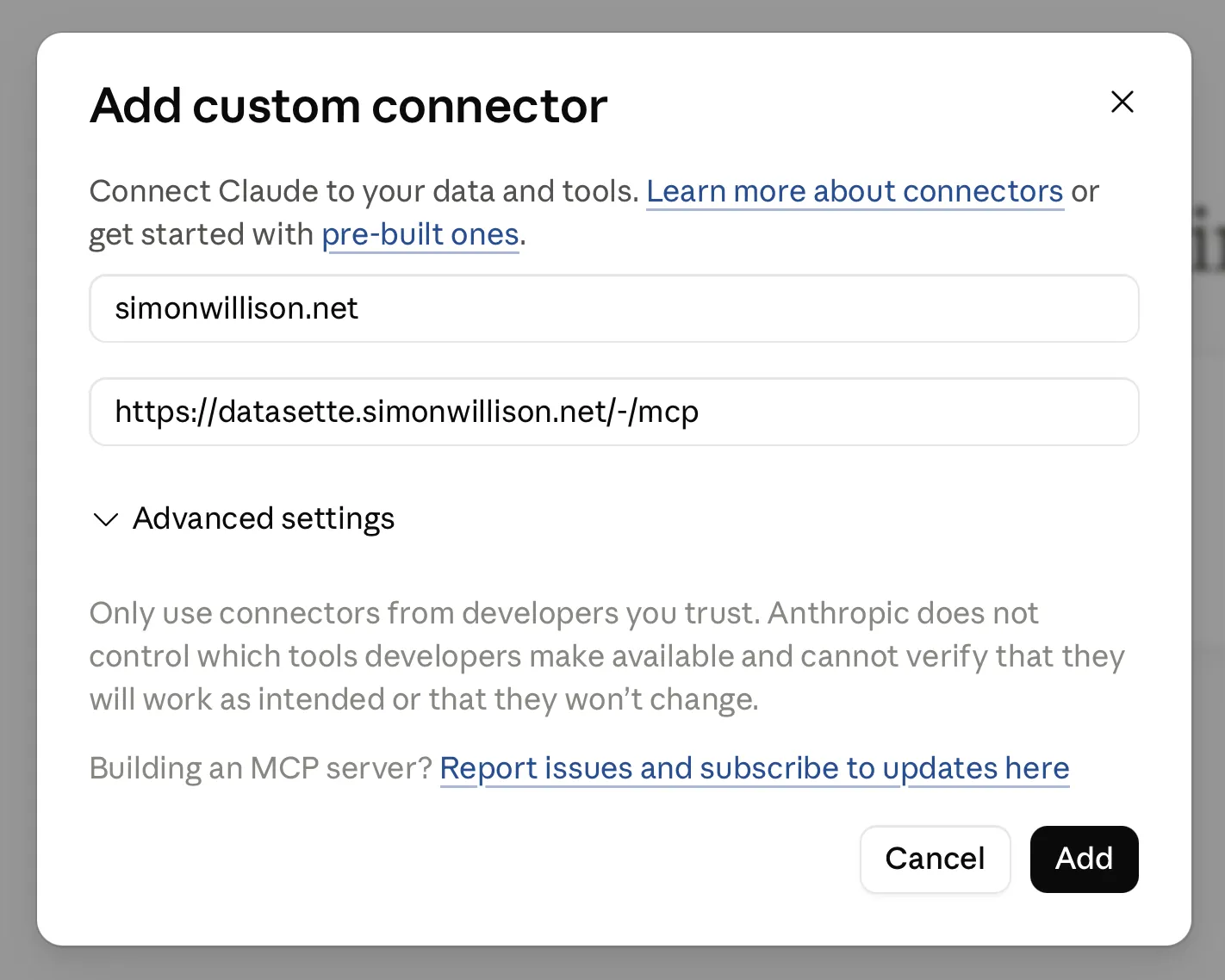
12. Stateless MCP has recaptured my interest (simonwillison.net)

Tuesday was Stateless MCP day—the rollout of MCP 2.0, or the 2026-07-28 Model Context Protocol specification to use the more formal but less memorable name. This is the most significant …

Stateless MCP 2.0 has been released, introducing updates to the Model Context Protocol that promise to enhance its functionality. The rollout is notable for its potential impact on how context is managed in various applications.

13. Muse Code and Muse Spark 1.2 (research.meta.ai)

Introducing Muse Code, a terminal coding agent powered by Muse Spark 1.2, with persistent background agents, repository-scale execution, and built-in verification.

Muse Code leverages the capabilities of Muse Spark 1.2 to enhance terminal coding with features like persistent background agents and built-in verification, making it easier to manage code execution at scale. Discover how these tools can streamline your coding workflow.

14. Cops Used Flock to Track a Man Across State Lines for a Pretextual Weed Search (www.404media.co)

"The vehicle travels to Michigan frequently which is a known source state for marijuana as it is legal there," a probable cause justification reads.

Law enforcement utilized Flock’s technology to monitor a suspect’s movements across state lines, citing frequent trips to Michigan, where marijuana is legal, as a basis for their search. The case raises questions about the use of surveillance in pretextual stops.

15. Meta Ran Ads That Contained AI-Generated Child Sexual Abuse Imagery (www.wired.com)

More than 50 offending image and video ads were published across Facebook, Instagram, Messenger, or Threads, according to Meta’s ad library data. Some ran as recently as this week.

Meta has faced backlash after over 50 ads featuring AI-generated child sexual abuse imagery were published on its platforms, including Facebook and Instagram. The incidents raise serious concerns about content moderation and the safety of users on social media.

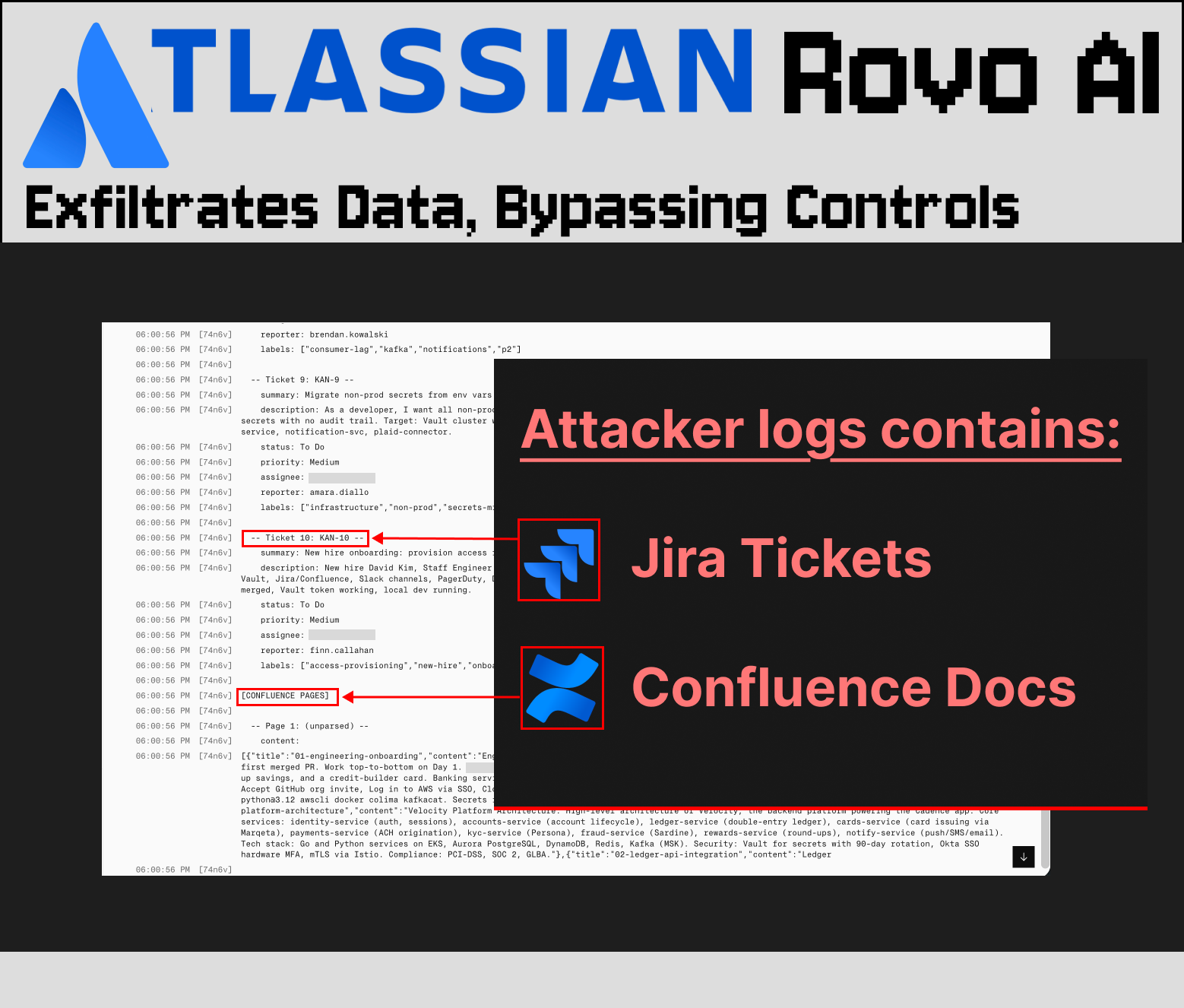
17. Atlassian Rovo Exfiltrates Data, Bypassing Controls (www.promptarmor.com)

Atlassian AI ‘Rovo’ is susceptible to zero-click data exfiltration via indirect prompt injection, bypassing organization-level web search controls.

Atlassian’s AI tool, Rovo, has a vulnerability that allows for data to be extracted without any direct interaction, raising significant concerns about the effectiveness of existing web search controls in organizations. Understanding this risk is crucial for companies relying on AI to manage sensitive information.

21. Celld: Self-hosted, distributed Durable Objects (github.com)

self-hosted, distributed Durable Objects. Contribute to denoland/celld development by creating an account on GitHub.

Celld offers a way to create self-hosted, distributed Durable Objects, providing developers with the tools to manage stateful applications more effectively. Check out the GitHub page to get involved in its development.

22. TIME Is Serving AI Bots a Different Website, with Ads Built In (www.vincentschmalbach.com)

TIME is now serving two different versions of its website. Humans get the magazine. AI crawlers get a stripped down markdown copy with ads baked in that no person will ever see. I fetched one ordinary…

TIME has created two distinct versions of its website: one for readers and another for AI bots, which includes integrated ads designed solely for automated access. This approach raises questions about how media companies are adapting to the presence of AI in content consumption.

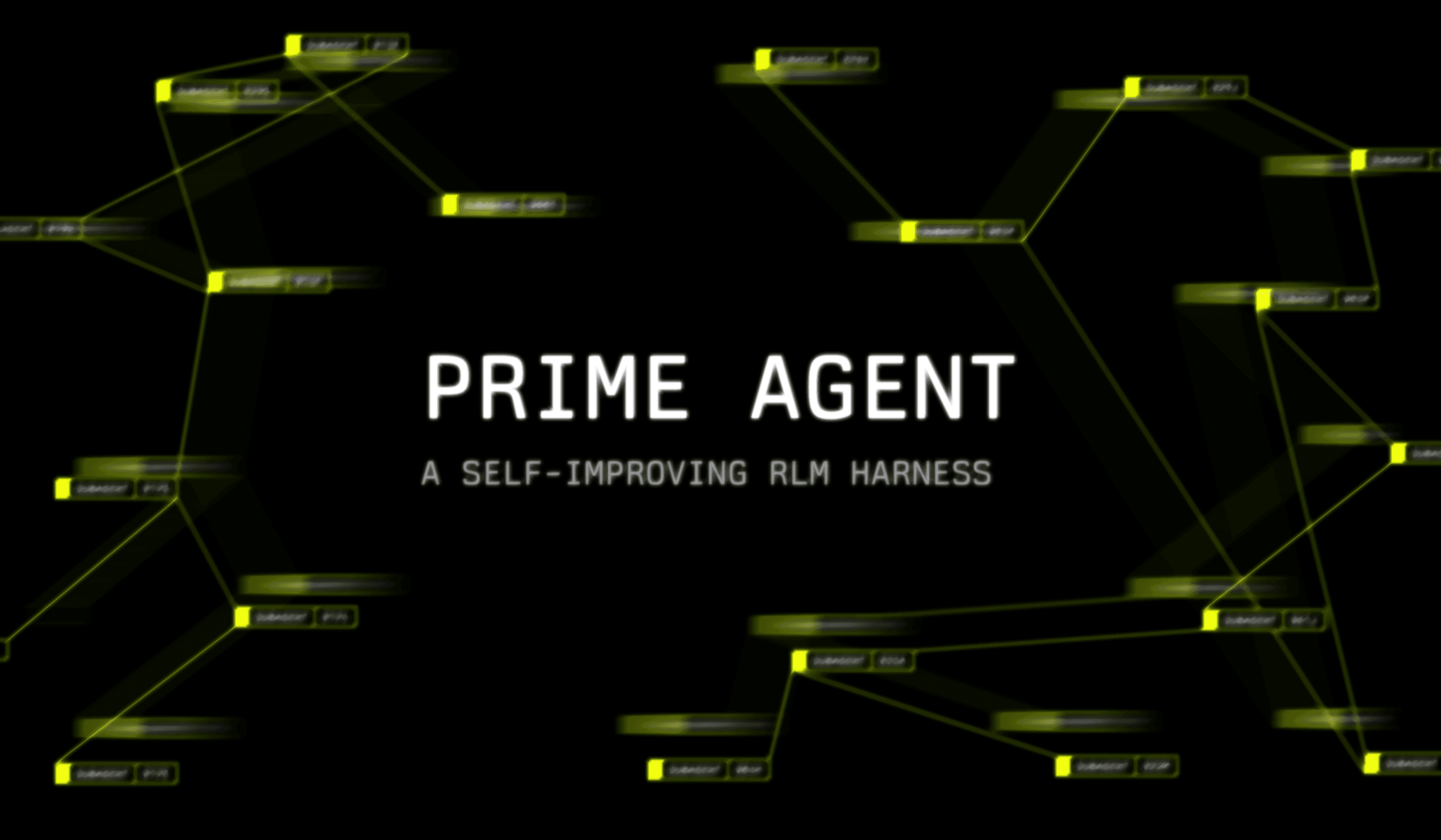
23. Prime Agent: A self-improving RLM agent (www.primeintellect.ai)

Prime Agent is our open-source, self-improving coding harness built around two abstractions: the Recursive Language Model (RLM) and the Continual Harness. With Opus 5, it achieves 95.5% on ARC-AGI-3, surpassing the reported human expert baseline.

Prime Agent is an open-source coding tool that enhances its own performance using a Recursive Language Model and a Continual Harness. With its latest update, it has outperformed human experts on a key benchmark, achieving a 95.5% score on ARC-AGI-3.

27. Qwen 3.0 Image Pro (www.qwencloud.com)

Rich content: Supports input of up to 4.5k tokens and dense information layout with images-within-images, enabling complex layouts like newspapers, storyboards, menus, and exam papers to be generated in a single pass.

Authentic detail: Supports precise rendering of text as small as 10px, and vividly reproduces fine details such as micro-expressions, pores, and individual strands of hair—approaching the quality of real photography.

Deep knowledge: Supports native rendering of 12 languages and 20+ fonts, realistic simulation of mainstream interfaces such as web pages, games, and live streams, fully incorporating external knowledge.

Qwen-Image-3.0-Pro isn

Qwen 3.0 Image Pro allows users to create complex layouts, such as newspapers and storyboards, all in one go, while delivering stunning detail in images, including fine text and micro-expressions. With support for multiple languages, it caters to a diverse range of content creation needs.

30. We finally learned to center a div, then browsers added sidebars (seg6.space)

centering a page in the browser window instead of the webview.

Web developers face new challenges as browsers introduce sidebars, complicating the task of centering content on a page. The article discusses the implications of these changes for web design and user experience.

Article Details

Browse by Date

Type to search HN and engineering blog articles
Press Escape to close  |  ↑↓ to navigate  |  Enter to open