
1. Why I Left Google DeepMind (www.lesswrong.com)
I fought against Google's Pentagon AI deal from the inside. Powerful people and institutions failed to keep their AI ethics promises under pressure.

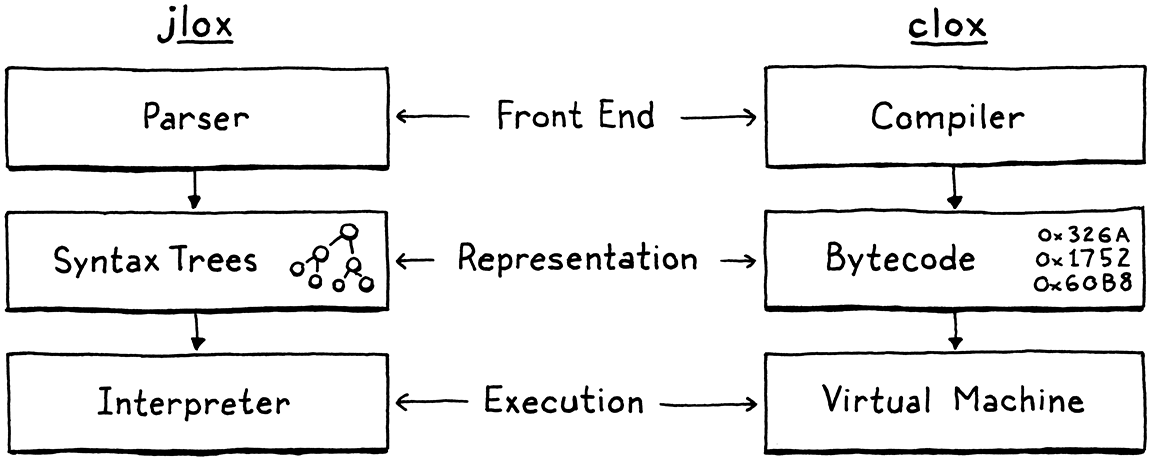
A new technique focuses on compressing source-line metadata to enhance the efficiency of bytecode lookups. This approach could improve performance in programming environments where quick access to source information is crucial.

Claude Opus 5 is currently experiencing elevated error rates, as indicated on its status page. Users may want to check for potential disruptions or issues affecting the service.


Jensen Huang advocates for open access to AI models, arguing that transparency and availability can help counter malicious uses of AI technology. His perspective highlights a growing debate on the ethical implications of AI accessibility.
As AI tools become more prevalent in coding, some developers question the value of mastering programming languages. This discussion highlights the essential role language knowledge plays in effective coding and problem-solving, emphasizing why it still matters in a tech landscape increasingly dominated by AI.

Discover how to create an affordable solar battery backup system for your home, with a detailed guide that helps you achieve energy independence for under $5000. This resource outlines the steps to build a 20kWh system, making sustainable energy more accessible.
TurboWarp enhances Scratch with features like a faster compiler, dark mode, and various editor addons, making it a valuable tool for creators looking to optimize their projects.
PrismML’s Bonsai models are drawing interest for their potential to enable on-device AI, particularly for smartphones, which could enhance user privacy and reduce reliance on cloud computing. The article discusses how breaking DDR4 timing rules could facilitate this technology shift, impacting hardware development in the industry.

Discover traditional methods for beating the summer heat that don’t rely on modern air conditioning. Learn how creative techniques from the past can help you stay comfortable and reduce energy costs.

A group of thieves reportedly infected 8,000 devices with malware linked to Steam, using Bitcoin transactions, Google cookies, and Uber Eats orders to trace their activities. The investigation reveals how digital footprints can connect cybercriminals to their crimes.

Infrawrench offers a centralized platform for managing multiple cloud services, including AWS, GCP, and Azure, through a single interface. It features tools like SSH terminals, SQL editors, and storage browsers, making cloud management more efficient and streamlined.
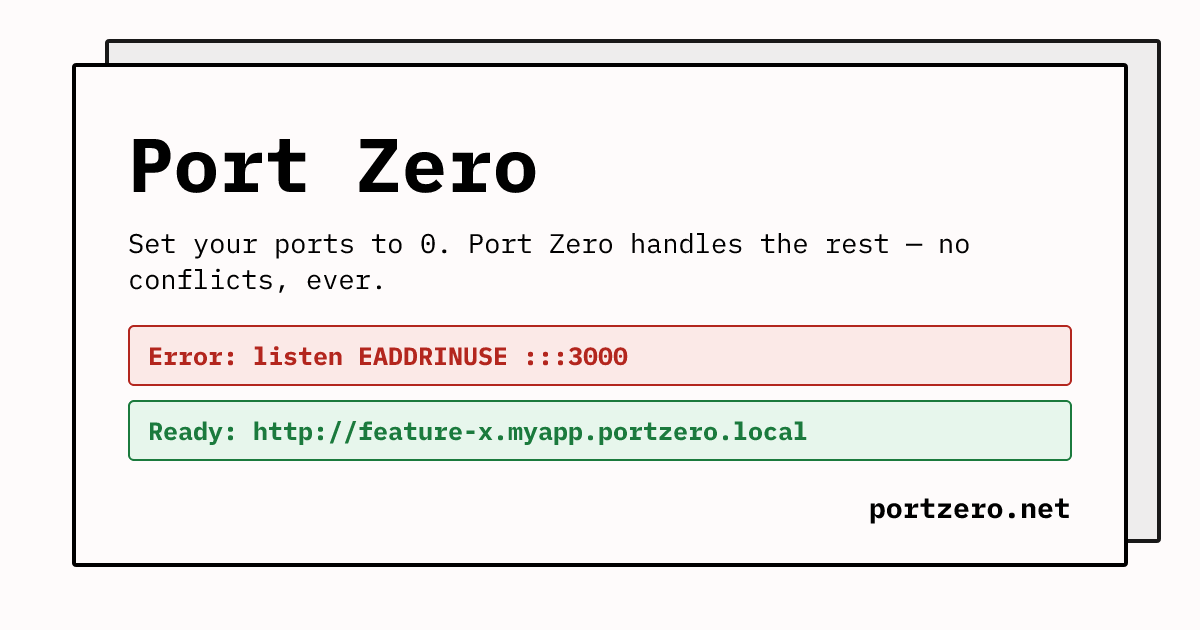
A developer shares their frustration with traditional port number usage and proposes a solution using names instead, highlighting the inefficiencies and conflicts that arise with current practices. This thoughtful approach could inspire a shift in how we connect processes in development environments.

Performance issues during ZFS scrubs can indicate underlying problems with storage design. The article discusses how optimizing pool design and utilizing special VDEVs can enhance performance.

The article discusses the author’s insights into GPU kernels in parallel programming, specifically referencing the “HipKittens: Fast and Furious AMD Kernels” paper. It promises to provide valuable perspectives on optimizing performance in graphics processing.

The piece reflects on the enduring relevance of Samuel Beckett’s play “Waiting for Godot,” highlighting how its themes resonate with contemporary existential questions. It prompts readers to consider the nature of hope and patience in an uncertain world.

