1. Satya Nadella says we should assume all AI models are 'compromised' (www.theverge.com)

Microsoft’s CEO calls for putting an β€˜emergency brake’ on AI.

Microsoft’s CEO warns that all AI models may be vulnerable, advocating for an immediate pause on further AI development to address potential risks. His call highlights the urgent need for safety measures in the rapidly evolving AI landscape.

2. "Robot" Is a Social Construct: Why Your Dishwasher Is Not a Robot (robotgirlgang.com)

The most effective way to nerd snipe a roboticist is to present them with a controversial definition of a "robot"

The definition of a β€œrobot” is more complex than many assume, and challenging traditional views can spark lively debate among experts. This piece examines the nuances of what qualifies as a robot, using everyday appliances like dishwashers as a focal point.

5. Deterministic Simulation Testing in Celld (celld.dev)

How celld controls time and execution order to find bugs with deterministic simulation testing, explained through interactive diagrams, pseudocode, and a race it discovered.

Celld uses deterministic simulation testing to manage time and execution order, effectively uncovering bugs. The article offers interactive diagrams and pseudocode to illustrate these concepts, including a specific race condition that was identified.

8. A plastic once thought harmless may be fueling fatty liver disease (www.sciencedaily.com)

One of the world's most common plastics may pose a hidden threat to liver health. Texas A&M researchers discovered that polyethylene microplastics can contribute to fatty liver disease, with potentially worse effects when combined with an unhealthy diet. Even more surprising, this widely used plastic was previously considered relatively harmless.

Research from Texas A&M reveals that polyethylene microplastics, once thought to be safe, may be linked to fatty liver disease, particularly when paired with poor dietary habits. This finding raises concerns about the health implications of a commonly used plastic.

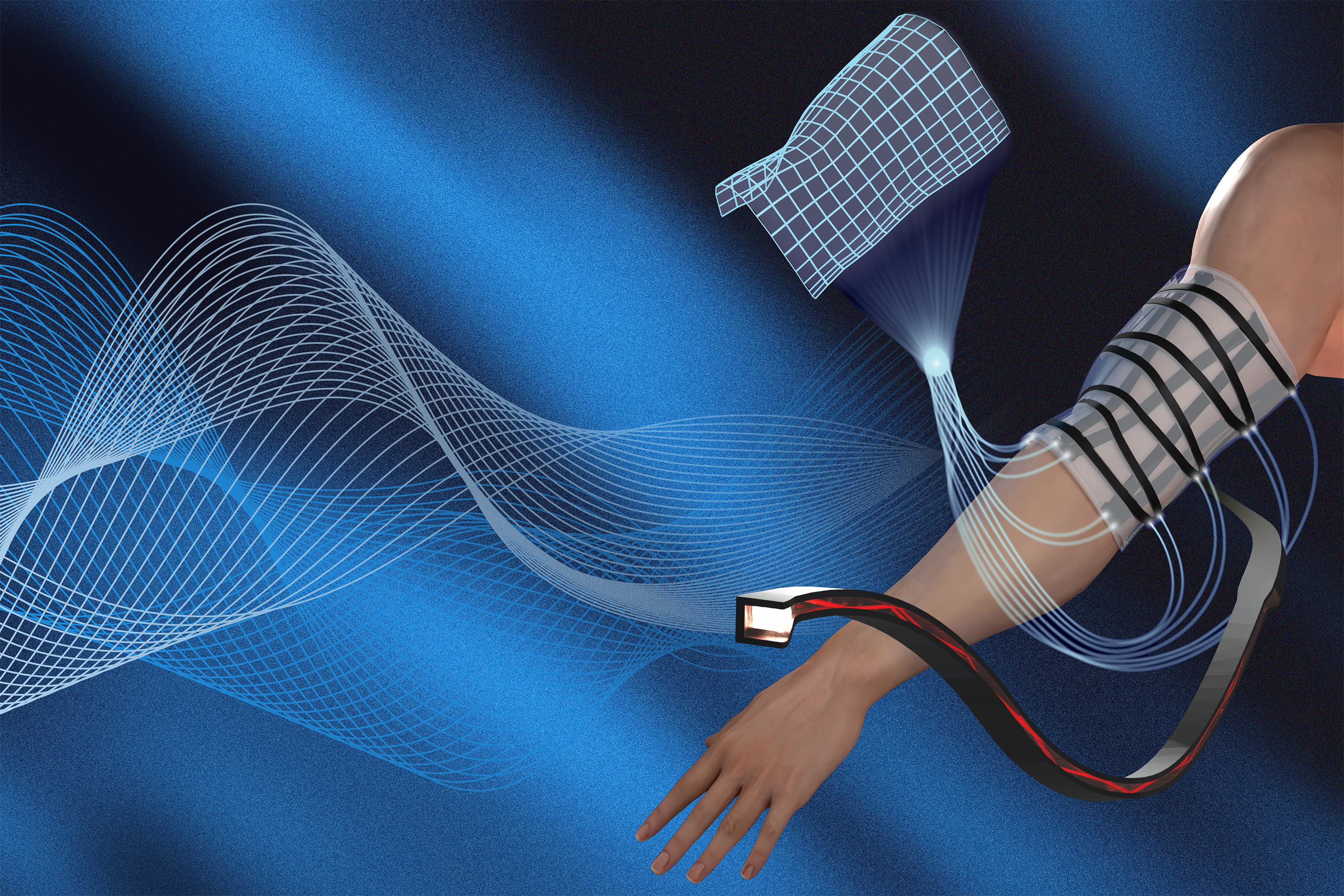
9. Shape-sensing sheet digitally tracks its own movement as it bends and twists (news.mit.edu)

MIT engineers developed a flexible, shape-sensing sheet that digitally reconstructs its own form as it bends and twists. The sheet could be fashioned into a soft and pliable garment that a user could comfortably wear to physically control a video game character or a tele-operated robot, or to collect data during physical therapy.

MIT engineers have created a flexible sheet that can track its shape in real-time as it bends and twists. This technology has potential applications in wearable garments for controlling video game characters or robots, as well as aiding in physical therapy.

11. Rolling the Root Key (blog.apnic.net)

The root key of the DNS is scheduled to roll on 11 October. How many DNSSEC-validating recursive resolvers have learned of KSK-2024 and incorporated it into their TA sets?

The upcoming DNS root key rollover on October 11 raises questions about how many DNSSEC-validating resolvers are prepared for the transition to the new KSK-2024 key. Understanding the readiness of these resolvers is crucial for maintaining secure internet communications.

12. When Ldaxr Doesn't Work: Exclusive Accesses and Cacheability on AArch64 (joelsiks.com)

Why a load exclusive (ldaxr) raised a Data Abort on real Raspberry Pi 5 hardware but not in QEMU, and what cacheability has to do with AArch64 exclusive accesses.

A recent issue with the ldaxr instruction on Raspberry Pi 5 hardware led to a Data Abort, a problem not observed in QEMU. The article explains the relationship between cacheability and exclusive accesses in the AArch64 architecture, shedding light on important hardware nuances.

19. How HN: Go-dev-auth zero-dependency authentication library for Go (github.com)

go-dev-auth The comprehensive authentication library for Go. One config struct. Batteries included. Own your users. - go-dev-auth/go-dev-auth

Go-dev-auth is a straightforward authentication library for Go that features a single configuration structure and aims to simplify user management without external dependencies. This makes it an appealing option for developers looking for an efficient solution to handle authentication in their applications.

22. The Wild West of polyglot docs sites (technicalwriting.dev)

There’s not really a good way to combine the outputs from multiple API reference generators into one cohesive docs site, yet.

Creating a unified documentation site from various API reference generators remains a challenge, leaving developers to navigate a fragmented landscape. This piece highlights the current limitations and the need for better solutions in documentation management.

Article Details

Browse by Date

Type to search HN and engineering blog articles
Press Escape to close  |  ↑↓ to navigate  |  Enter to open