

2. Nobody Asked for a Crab Chair (newmobility.com)
In our last installment of “Good Intentions Gone Wrong: When Disability Engineers Go Bad,” we highlighted a particularly egregious Swiss wheelchair design featuring superfluous drones. Thankfully…
A recent design critique highlights a bizarre Swiss wheelchair that incorporates unnecessary drones, illustrating how some well-meaning innovations can miss the mark. This piece examines the pitfalls of over-engineering in disability aids.
4. Show HN: Jevgpt – reinventing the wheel with another wheel
A developer shares their experience creating an autoregressive chatbot named Jevgpt, detailing the challenges faced with token vocabularies and their approach to improving it. The project is available on GitHub for those interested in exploring a new take on chatbot design.

5. Uproar in France over award-winning author accused of using AI (www.bbc.com)
Canadian-Haitian writer Thélyson Orélien has just been awarded the Prix du Roman Fnac for his first novel.
Thélyson Orélien’s recent win of the Prix du Roman Fnac has sparked controversy due to accusations of using AI in his writing process. The debate highlights tensions around authenticity and the evolving role of technology in literature.
6. Ask HN: Hypothesis: Cellular providers are deprioritizing voice calls
A user shares their frustrating experience with silent missed calls after switching from Verizon to T-Mobile, highlighting a potential trend where cellular providers may be deprioritizing voice calls. The discussion raises questions about reliability in voice communication and whether this issue is widespread among users.
9. Initial DIY Cleanroom Experimentation (www.jefftk.com)
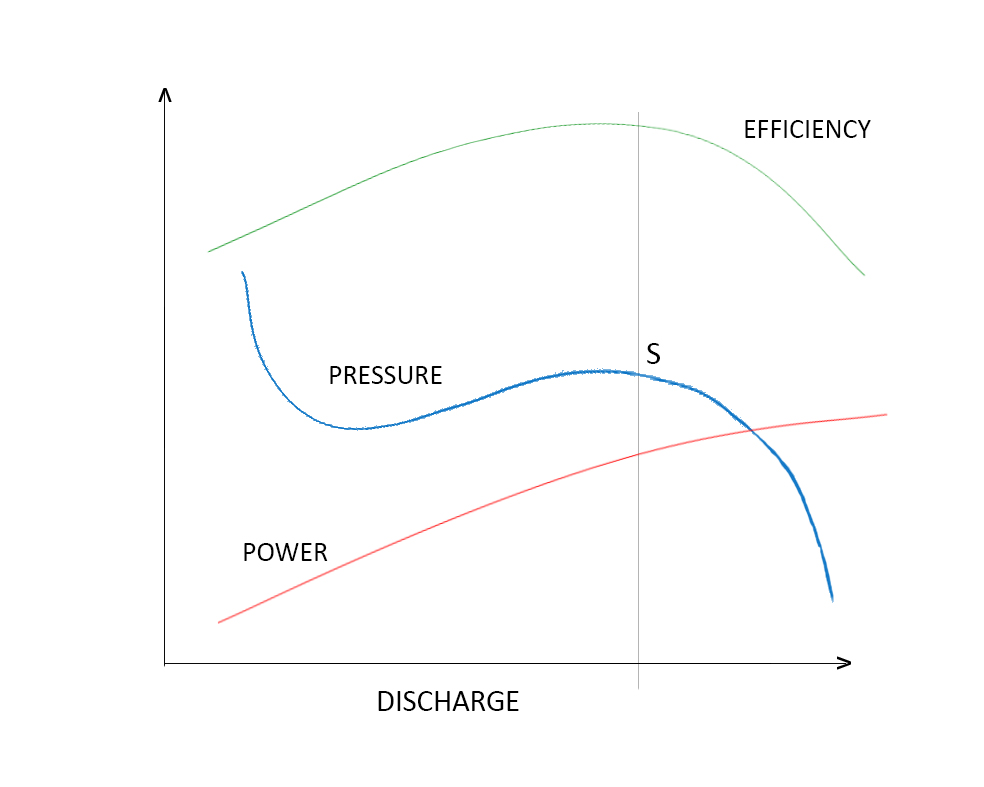
In It May Be Possible to Improvise A High Grade Bioshelter, Adin Richards discusses the possibility of improvising defenses against an environmental threat such as mirror bacteria. He gives an exploratory overview of why it might be possible to apply materials and equipment people often already have in their houses to pressurize all or part of a house with filtered air. It would be great if this
Adin Richards examines how common household materials can be used to create a makeshift cleanroom to protect against environmental threats like mirror bacteria. His insights could inspire DIY enthusiasts to experiment with home-based solutions for air filtration and safety.
10. Show HN: I discovered roads in the US across > 1000 themes (road-about-a-theme.pinedesk.biz)
An interactive story of America
An interactive visualization allows users to explore over 1,000 themes derived from popular Wikidata articles mapped to U.S. roads. It’s a unique way to uncover connections between geography and diverse topics.

11. Show HN: Hamilton – a no-internet Android health dashboard, named after my dog (play.google.com)
Hamilton is an Android health dashboard designed to unify fitness data from various apps and devices without needing an internet connection. The creator’s personal experience with fragmented health data inspired this solution, making it a practical tool for those looking to streamline their fitness tracking.
12. Patrick Boyle: The Copy-Paste Professor (www.youtube.com)
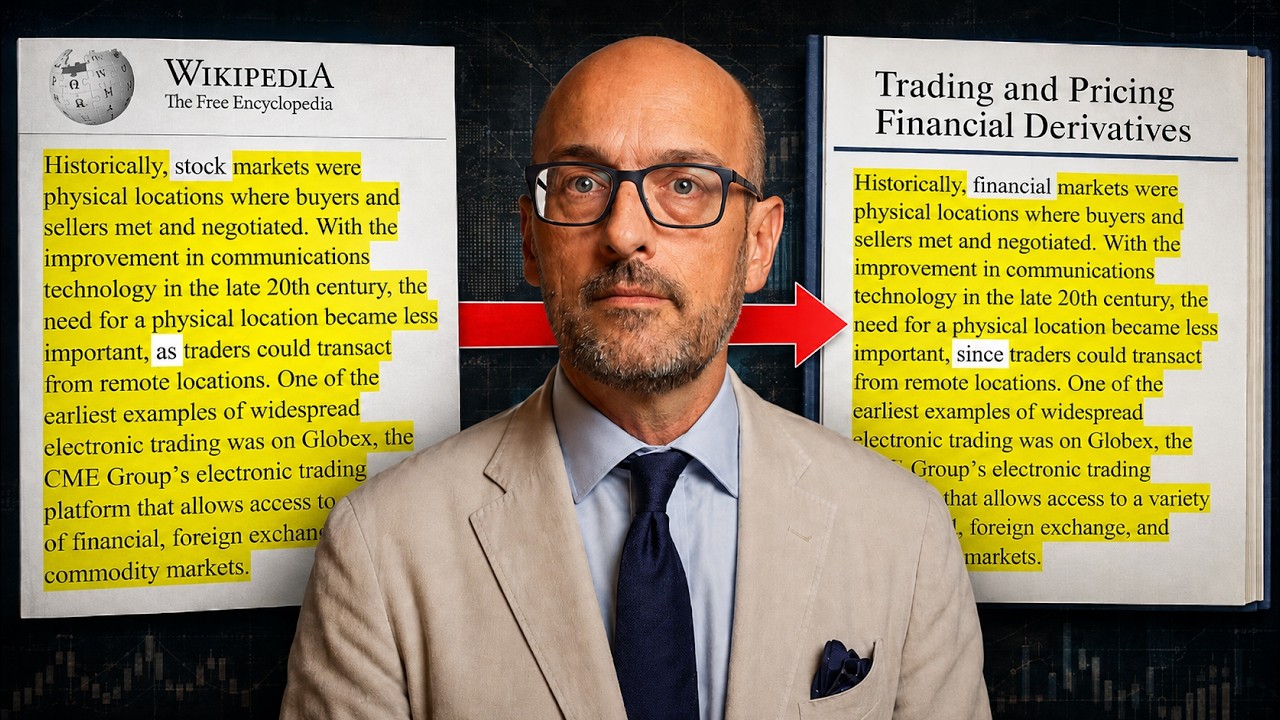
Patrick Boyle built one of finance YouTube's most respected brands around three credentials: hedge fund manager, university professor, and independent financ...
Patrick Boyle has established a strong presence in finance on YouTube by leveraging his experience as a hedge fund manager and university professor. His unique approach combines educational content with practical insights from his career, making his channel a valuable resource for finance enthusiasts.

13. The last day of the dinosaurs, as an interactive painting (www.echohive.ai)
An interactive 2.5D dinosaur painting made by Opus 5.5. Explore seven movements with parallax, a synchronized soundtrack, pinch zoom and fullscreen.
Experience a unique 2.5D painting that brings the last day of the dinosaurs to life with interactive elements like parallax effects, a synchronized soundtrack, and zoom capabilities. Engage with seven distinct movements for a captivating visual journey.
14. The Post-AGI Era (www.avidfayaz.com)
AGI-level systems are now attainable while much of the economy being built around them still follows a fundamentally pre-AGI model, creating tools for humans rather than organizations designed around autonomous intelligence itself.
As AGI systems become achievable, the current economic landscape remains largely focused on human-centric tools rather than fully leveraging autonomous intelligence. This shift raises questions about how businesses and technologies will adapt to integrate these advanced systems.
15. A Skill.md for Commenting on Hacker News (blog.coredump.cx)

16. Jev and System One Models: Calibration Beats Accuracy (www.kartikpansuriya.com)
An ML engineer
18. Israel weaponises AI for West Bank demolitions (www.aljazeera.com)

19. Running local LLMs on your Mac: what fits, what's free, and what's overkill (typetab.app)
Every Apple Silicon Mac can run AI locally. Here
Learn how to effectively run AI models on your Apple Silicon Mac, including what options are free and which ones might be too demanding for your system. This guide will help you navigate the landscape of local AI applications.

20. Browsers Situationship: When Browsers Agree but the Spec Doesn't (www.atbrakhi.dev)
What came first: browsers or specifications? Why are specifications important? Why do we sometimes change a specification instead of browsers? What matters most: the specification or the user experience? What happens when the specification says one thing, but Chrome, Firefox, and Safari all agree on something else? A story about browsers, web standards, compatibility, and the feedback loop that keeps the Web working.
The article discusses the complex relationship between web browsers and specifications, addressing questions about their development, the importance of standards, and the impact on user experience. It highlights instances where browser consensus diverges from formal specifications, shedding light on the dynamics that shape web compatibility.
25. Show HN: Paper-docx – agent-native Python-docx fork with 78% fewer DOCX failures (github.com)
Contribute to paper-instruments/paper-docx development by creating an account on GitHub.