1. Ok, but Does It Scale? (spacetimedb.com)

This is probably the question I get asked most about Spacetime. It’s a simple enough question, and it certainly seems like it should have a simple answer. Scaling is a complex topic, and the devil is…

Scaling in Spacetime is more complicated than it appears, raising important questions that go beyond a straightforward answer. The article breaks down the nuances of scalability in this context, making it a must-read for those interested in the intricacies of technology growth.

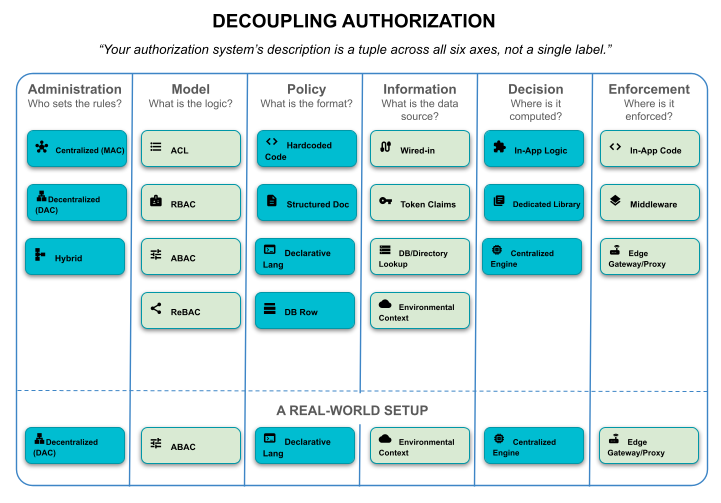
3. Authorization Terminology Is a Mess: Let's Fix It (idpro.org)

Authorization terminology often conflates ideas and presents complementary technologies as rivals. This post proposes a new taxonomy.

Confusing terminology in authorization can lead to misunderstandings and misapplications of technology. A new taxonomy is proposed to clarify these concepts and improve communication in the field.

6. Carbon-aware electricity pricing, measured daily on 38 grids (carbonawarepricing.com)

The cleanest hour should be the cheapest. A live daily measurement of the CO₂ that carbon-aware electricity pricing would save.

A new system measures daily carbon emissions across 38 electricity grids, aiming to align pricing with the cleanest hours of energy generation. This approach could incentivize consumers to shift their usage to times when renewable energy is most abundant and affordable.

7. Grep beats LSP? Why coding agents ignore your fancier tools (www.agentconnect.md)

I compared grep with LSP-backed semantic navigation across code-finding and editing tasks. The results show why a tool's LLM-friendliness may matter as much as the capability behind it.

A comparison between grep and LSP-backed tools reveals that a tool’s compatibility with large language models can be just as important as its inherent capabilities when it comes to code navigation and editing. Discover the surprising implications for developers choosing their coding tools.

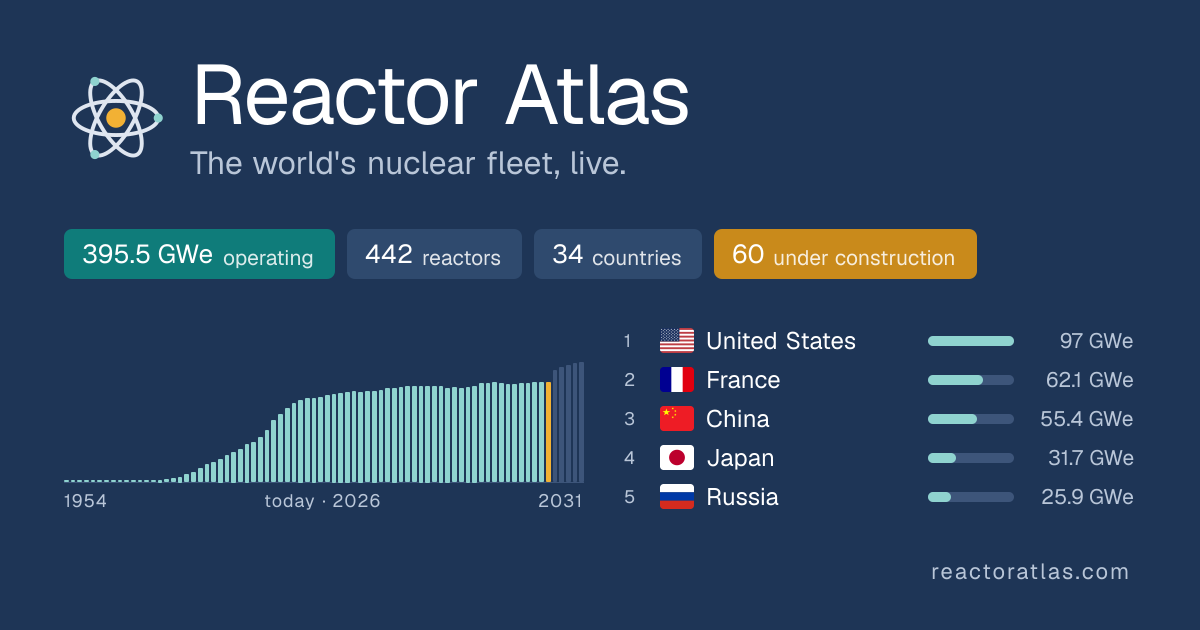
8. Show HN: Reactor Atlas (reactoratlas.com)

Todos los reactores nucleares del mundo, en un mapa que cuenta su historia.

A nuclear engineer turned tech entrepreneur shares insights on his journey from developing HPC software for nuclear simulations to co-founding a blockchain company. Now, he’s pivoting again to combine his scientific background with entrepreneurship, responding to the changing landscape of tech and AI.

9. O&O ShutUp10 – The antispy tool for Windows 10 and 11 (www.oo-software.com)

Enable recommended privacy options and make Windows 10/11 leaner and more private with just a few clicks.

O&O ShutUp10 allows users to easily adjust privacy settings in Windows 10 and 11, helping to reduce data collection and enhance user privacy with minimal effort. Discover how simple tweaks can lead to a more secure operating system experience.

10. A Mysterious Kidney Disease Has Arrived in Texas (www.texasmonthly.com)

The condition, linked to heat on a warming planet, is affecting laborers from Central America and Mexico. As scientists race to track the growing epidemic, its victims have been driven further into hiding.

A new kidney disease, connected to rising temperatures, is impacting laborers from Central America and Mexico in Texas. With the epidemic spreading, affected individuals are becoming increasingly isolated, prompting urgent research to understand and combat the condition.

12. Essential Resources for Getting Started with at Protocol (bnb.im)

A set of critical links for anyone interested in getting started with AT Protocol and exploring the landscape

Find key resources and links to help you navigate and understand AT Protocol, making it easier to begin your journey in this emerging tech space.

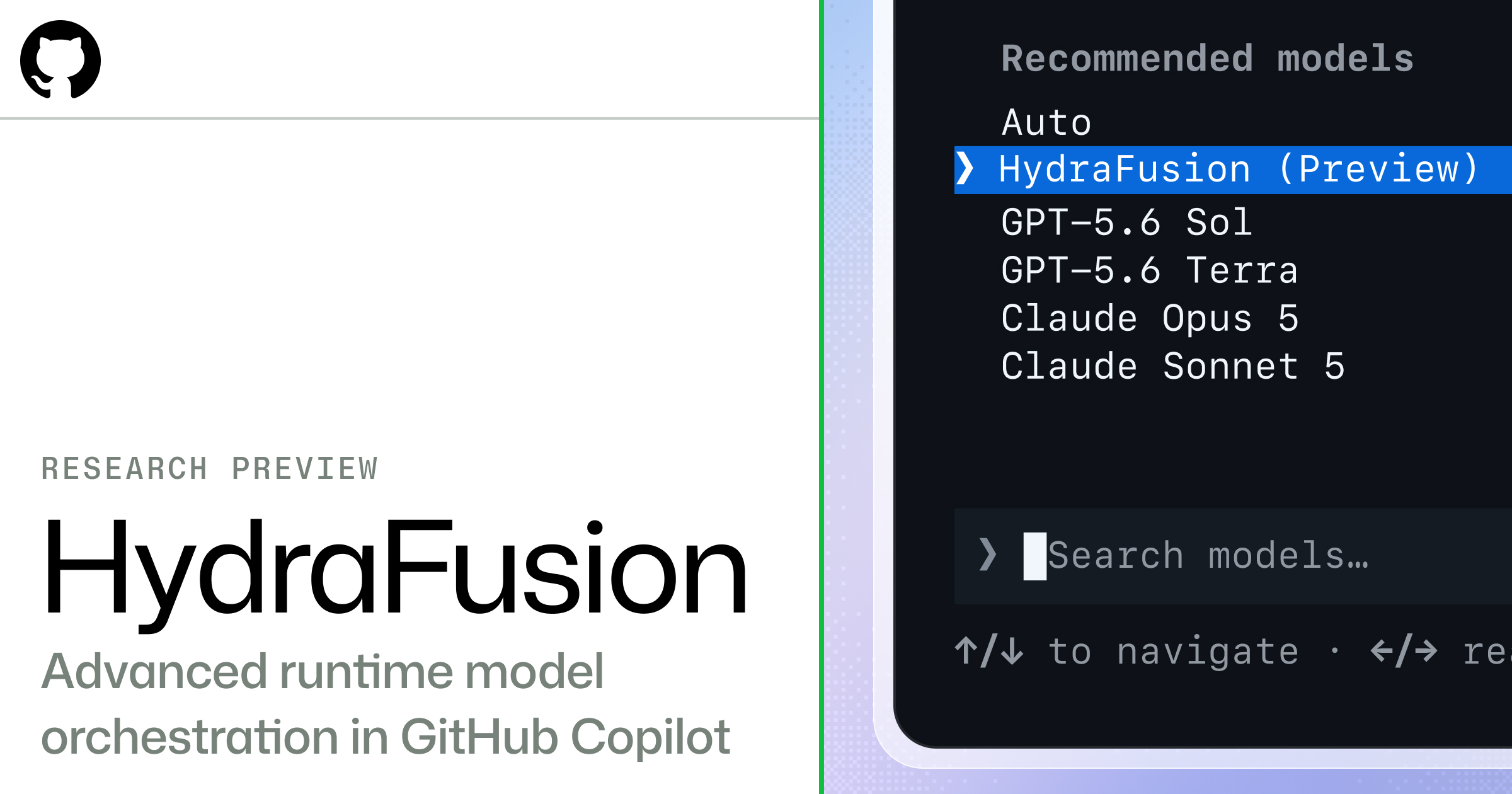
13. Project HydraFusion: Frontier quality via multi-model orchestration (github.blog)

In controlled offline evaluations, HydraFusion’s selective coding workflows matched or exceeded the evaluated Opus 5 baseline while reducing estimated cost.

HydraFusion’s innovative coding workflows not only achieved comparable quality to the Opus 5 baseline but also did so at a lower estimated cost, marking a significant advancement in multi-model orchestration. This development could have important implications for project efficiency in various tech applications.

15. Georgi Gerganov on llama.cpp/ggml future after Nvidia acquisition of HuggingFace (twitter.com)

Hugging Face has been acquired by NVIDIA

It is quite exciting to be a part of this journey! NVIDIA has been an active supporter of the llama.cpp project. For more than a year now, their engineers have actively contributed to the codebase, collaborated with the community and provisioned hardware fo…

NVIDIA’s acquisition of Hugging Face marks a significant development for the llama.cpp project, which has already benefited from NVIDIA’s support and contributions. Georgi Gerganov discusses the implications of this partnership and what it means for the future of their work.

16. Restoring 5 GHz Wi-Fi on an LG C5 by changing its webOS region (github.com)

Contribute to hawshemi/lg-c5-webos25-region-change development by creating an account on GitHub.

Learn how to restore 5 GHz Wi-Fi functionality on your LG C5 by changing its webOS region, with a step-by-step guide available on GitHub. This method could enhance your device’s connectivity options.

18. Burnt out on a three-day week (jennywanger.com)

She works three days a week. She's still burnt out. When rest doesn't fix the exhaustion, the workload was never the problem.

A three-day workweek isn’t always the solution to burnout, as one worker discovers. This piece examines the deeper issues behind persistent exhaustion despite reduced hours.

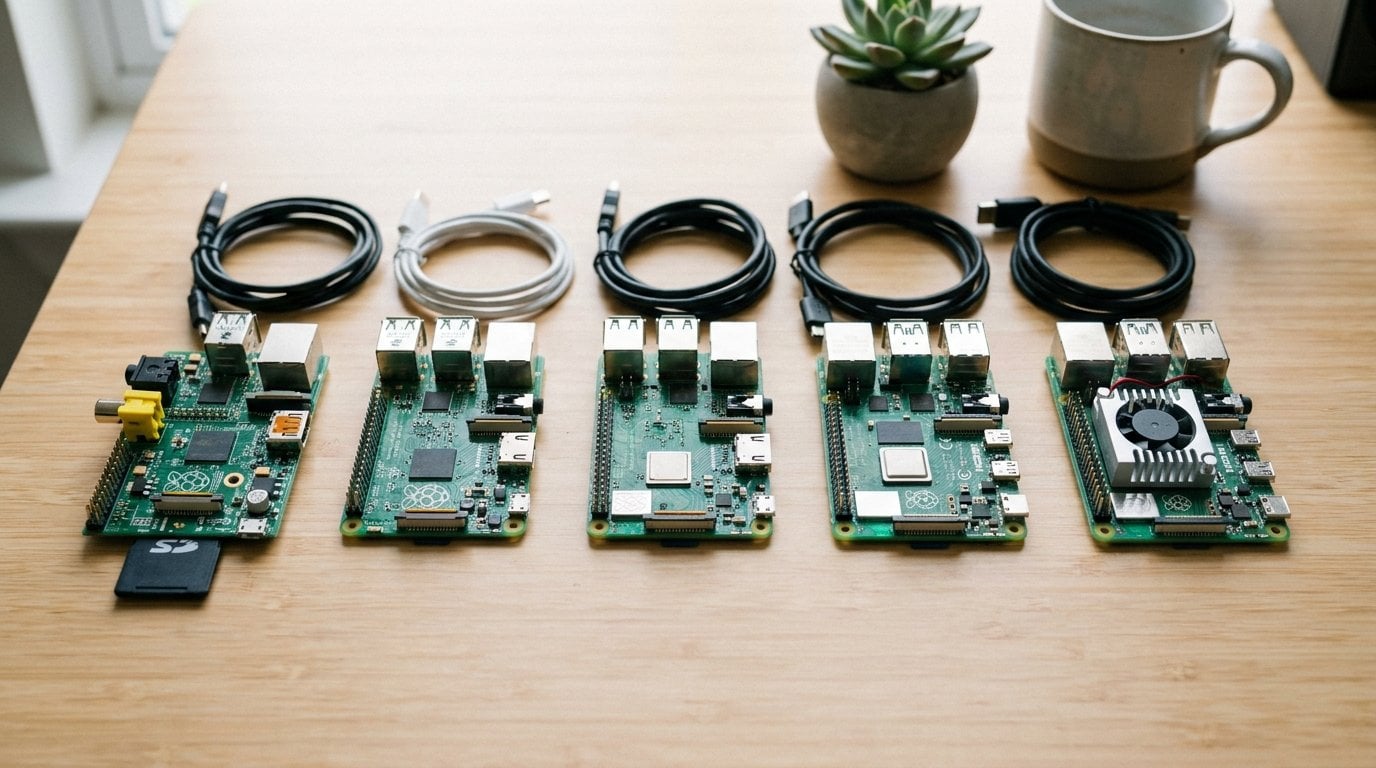
21. The Raspberry Pi Interactive Timeline · 2006–2026 (raspberry.tips)

The history of the Raspberry Pi as an interactive timeline: every model, milestone and company event from 2006 to today, each with its original source.

Trace the evolution of the Raspberry Pi from its inception in 2006 to the present, featuring key models, milestones, and events. This interactive timeline offers a detailed look at the device’s impact on technology and education.

28. Digital Sovereignty Is Written in PHP (thephp.foundation)

Across Europe, public administrations have already decided what their digital infrastructure runs on, and it is PHP

European public administrations are increasingly standardizing their digital infrastructure on PHP, which raises questions about the implications for digital sovereignty and the future of tech choices in government. Discover how this decision impacts governance and technology strategy across the continent.

29. Updates on HEIR, the Homomorphic Encryption Compiler Project (www.jeremykun.com)

On 2026-08-14 I published an article on the Google Security blog with an update on HEIR, our homomorphic encryption (HE) compiler. This is a companion article, in which I have no limits on word count or jargon, and I can feel free to be honest. So strap in.
Assuming you won't read the linked corporate blog post, HEIR is a compiler that converts an input program to a program that operates directly on encrypted data.

The HEIR project focuses on developing a compiler that allows programs to function directly on encrypted data, enhancing security and privacy. This update provides an in-depth look at its capabilities and the team’s honest insights on the project’s progress.

Article Details

Browse by Date

Type to search HN and engineering blog articles
Press Escape to close  |  ↑↓ to navigate  |  Enter to open