1. ReactOS 0.4.16 (reactos.org)

ReactOS is a free, opensource reimplementation of windows

ReactOS 0.4.16 is the latest version of the open-source project aimed at recreating the Windows operating system environment. This update brings improvements that may appeal to users seeking a free alternative to Windows.

3. OpenClaw 2.0, Accidentally (openclaw.ai)

How a push for simpler setup and a first-class browser experience grew into OpenClaw 2.0.

OpenClaw 2.0 emerged from efforts to enhance installation ease and improve browser functionality. Discover the unexpected journey that led to its latest iteration.

5. Dimethyl Mercury Exposure Incident at MIT (twitter.com)

It seems like there was a dimethal mercury incident on the MIT campus with one student directly exposed.

A terrible tragedy and a terrible way to go.

A patient was hospitalized after exposure to dimethyl mercury, prompting a significant emergency response at MIT. The incident raises concerns about chemical safety protocols and the potential risks associated with handling hazardous materials.

7. Why do I lose my passion and want to do nothing?

The article discusses the impact of easily accessible AI-generated content on motivation and passion, questioning why such convenience can lead to feelings of apathy and disengagement. It offers insights into the psychological effects of technology on our drive to create and pursue interests.

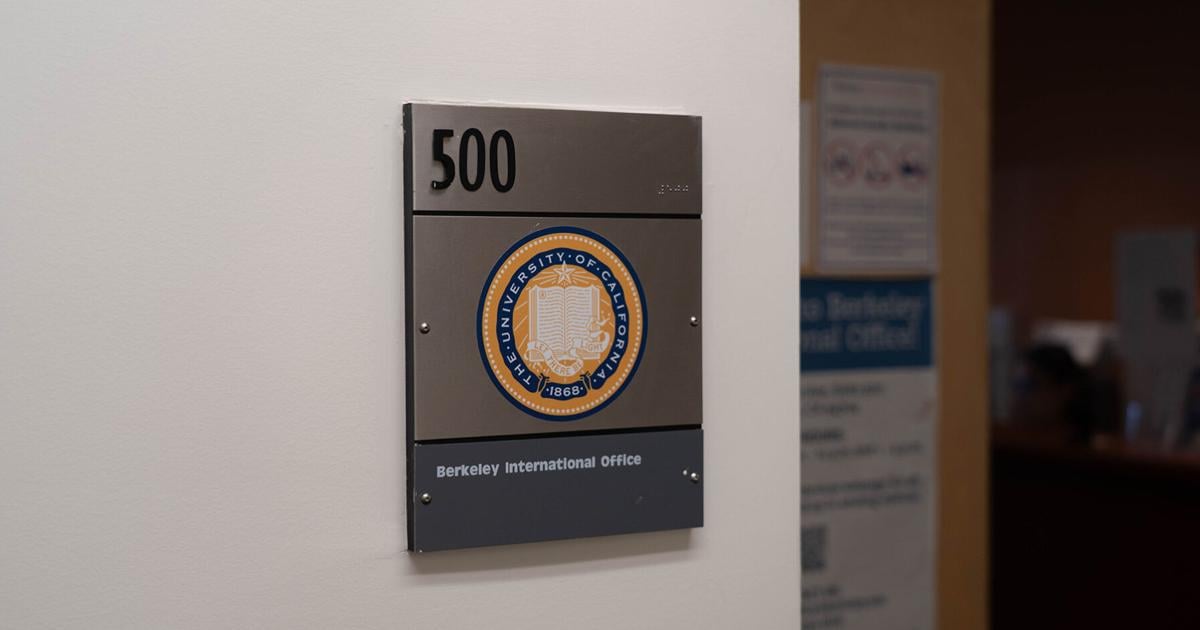
8. UC Berkeley indefinitely suspends international student work authorizations (www.dailycal.org)

The Berkeley International Office announced Wednesday that it will pause international students' applications for Course Credit Curricular Practical Training "for the foreseeable future."

UC Berkeley has halted applications for Course Credit Curricular Practical Training for international students, impacting their ability to gain work experience while studying. This decision raises concerns about the future of such opportunities for these students.

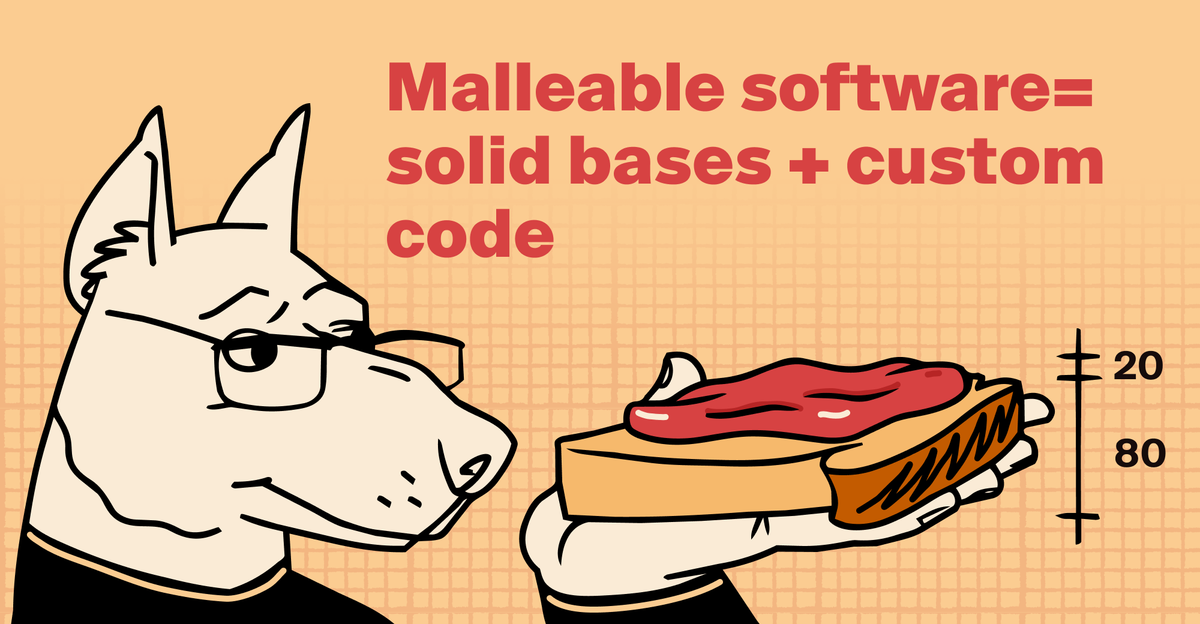
9. Malleable software = solid bases and custom code (www.mdubakov.me)

In 2019 I bet on the no-code revolution. That bet aged so-so. Here is the new one.

After a mixed experience with no-code solutions, the author shares insights on the evolving landscape of software development, emphasizing the importance of flexible software and tailored coding. Discover the reasons behind this shift and what it could mean for future projects.

10. Study: Blue light impairs the eye's ability to distinguish fine detail most (research.uga.edu)

Blue light—short wavelengths of visible light emitted by smartphones, computers, and TVs—impairs the eye’s ability to distinguish fine detail more than any other wavelength, according to a new study from the University of Georgia. This finding could help inform future lighting technologies, digital display design, and research on visual performance. Researchers tested 60 young adults

A new study reveals that blue light from screens hampers the eye’s ability to see fine details more than other light wavelengths. This research could influence future developments in lighting and display technologies.

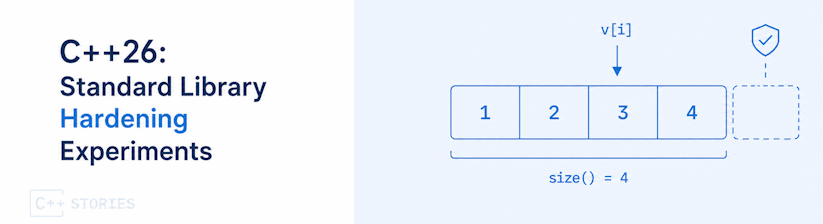
13. C++26: Standard Library Hardening Experiments (www.cppstories.com)

"Hardening" seems to be a very popular term in the C++ World in 2026. In this article we'll explore what this word means and see some core examples. Can a hardened library make C++ fully safe? Let's find out.
The Core Idea When you learned about std::vector you may remember that you can access an element at the i-th position using at least two expressions:

C++26 is seeing a focus on “hardening” the standard library, aiming to enhance safety in the language. This piece discusses the implications of these changes and whether they can truly make C++ safer, using practical examples to illustrate the concept.

14. Student teacher arrested for private Snapchat message (www.gadgetreview.com)

Snapchat's AI flagged a private message sent to 3 people and alerted the FBI in under an hour, leading to a student teacher's arrest.

A student teacher was arrested after an AI system on Snapchat detected a concerning private message and quickly notified the FBI. The incident highlights the increasing role of technology in monitoring online communications for safety.

15. DNS Abuse and Criminal Infrastructure (labs.ripe.net)

Evidence suggests that criminals may control a substantial share of new gTLD registrations. Although the precise scale remains contested, the article asks whether current DNS Abuse measures adequately address wider misuse of domain names.

Criminals appear to hold a significant portion of new gTLD registrations, raising concerns about the effectiveness of existing DNS Abuse measures. The article questions whether these measures are sufficient to combat the broader misuse of domain names.

16. What 2000 Buried Underpants Revealed About Where Soil Is Most Alive (studyfinds.com)

1,000 people buried underwear across Switzerland to measure soil health. Cotton briefs revealed what's alive underground.

A unique experiment involving 1,000 participants burying cotton underwear across Switzerland is shedding light on soil health. The condition of these buried briefs provides insights into the microbial activity and overall vitality of the soil.

17. The startling 1960s theory that Stonehenge was a prehistoric computer (www.bbc.com)

In August 1966, a US astronomy professor shared his astonishing findings with the BBC. He believed that the Neolithic stone circle was built to predict eclipses.

A US astronomy professor proposed in 1966 that Stonehenge served as a prehistoric computer designed to forecast eclipses. His findings sparked intrigue about the ancient site’s purpose and its advanced understanding of celestial events.

18. Culture Clash (aeon.co)

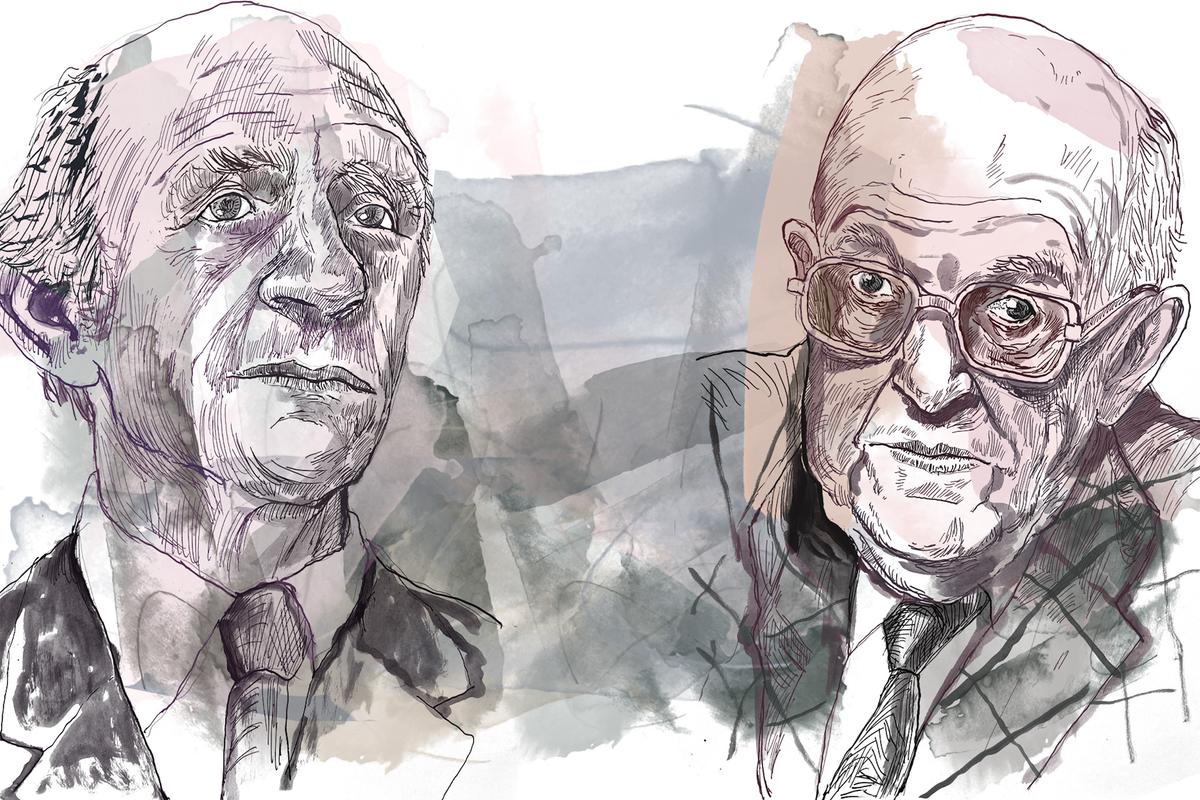
C P Snow’s ‘Two Cultures’ lecture provoked a savage response from fellow critic F R Leavis. What was at the heart of it all?

The intense debate between C P Snow and F R Leavis highlights a fundamental clash between the sciences and the humanities. This examination reveals the underlying tensions that continue to shape academic and cultural discourse today.

19. How would you know whether an ancient culture had zero? (www.johndcook.com)

How would you know whether an ancient writing system had a symbol for zero?

Understanding how ancient cultures represented the concept of zero can shed light on their mathematical sophistication and communication. This piece discusses the methods researchers use to identify symbols for zero in historical writing systems.

20. State of the Map 2026: OpenStreetMap conference (povesham.wordpress.com)

On 29-30 August, I attended the State of the Map (SotM) conference, in particular the scientific part. It’s been 15 years since the last time that I attended the SotM conference (last time 20…

The State of the Map conference, held on August 29-30, marks a significant gathering for the OpenStreetMap community, with a focus on its scientific developments. Attendees reflect on the evolution of the platform over the past 15 years, highlighting new insights and advancements in mapping technology.

23. Launch HN: Almanac (YC S26) – AI that knows your company (usealmanac.com)

An agent on its own computer, signed into your tools, with a wiki of everything your company knows. You text it work. It texts you when it's done.

Almanac aims to create a smart AI assistant that understands the nuances of your company, allowing users to ask questions and receive tailored responses. The founders share their challenging journey in developing this tool, which seeks to streamline internal communication and knowledge sharing.

24. Show HN: Corporate Mind Games – logic puzzles with a sarcastic corporate theme (corporatemindgames.com)

Satirical office puzzle games with free daily challenges. No account required.

Corporate Mind Games offers a collection of logic puzzles infused with a humorous and sarcastic corporate twist, providing a lighthearted alternative to traditional gaming options. If you’re looking for a fun challenge that pokes fun at workplace culture, this might be worth checking out.

25. 'Stunning' percolation proof solves decades-old puzzle about phase transitions (www.quantamagazine.org)

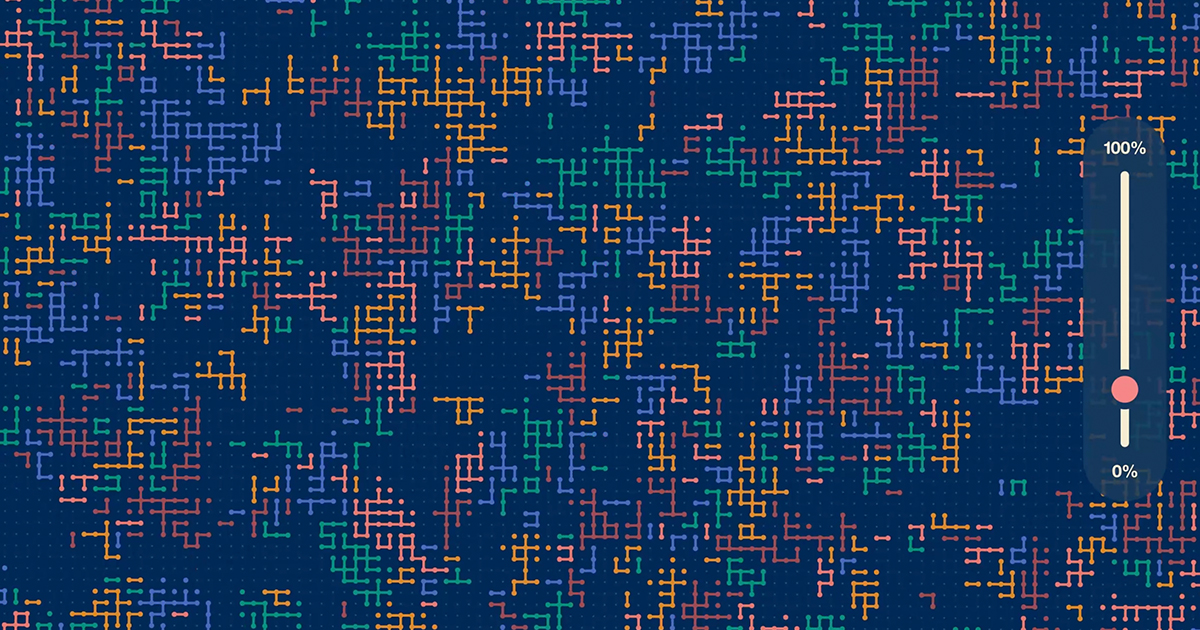
Mathematicians found that a broad class of networks will abruptly shift behavior past a critical point.

A new mathematical proof reveals that many types of networks undergo sudden changes in behavior when they surpass a certain threshold. This finding sheds light on the long-standing mystery of phase transitions in complex systems.

26. You Probably Own This 7-Eleven (and That's Why It Looks So Sad) (www.thenewatlantis.com)

The qualities that make built places charming are best stewarded by people who live there. But America’s soul-crushing suburban districts are now owned by people far away — people who don’t even know they’re owners at all.

Many suburban 7-Eleven stores are struggling because they’re owned by distant investors who lack a connection to the local community. This disconnect contributes to the decline of these once-vibrant spaces, reflecting broader issues in America’s suburban landscape.

27. Meta Security Researcher's AI Agent Accidentally Deleted Her Emails (au.pcmag.com)

Meta's Summer Yue says she ran OpenClaw on her inbox, but its size 'triggered compaction [and] lost my original instruction' to get her permission before deleting.

A Meta researcher lost her emails after an AI agent misinterpreted a command due to an inbox size issue. This incident highlights the potential pitfalls of relying on AI for managing sensitive data.

28. Since it was stripped of planetary status, Pluto’s defenders have been fighting (www.theguardian.com)

Since it was stripped of planetary status, Pluto’s defenders have been fighting the decision – and they’re only getting more passionate

Pluto’s status change from planet to dwarf has sparked a passionate debate among its defenders, who continue to advocate for its reclassification. The ongoing fight highlights the deep emotional connection many have with the celestial body.

29. My Experience Has Nuance, Yours Is a Data Point (blog.jim-nielsen.com)

Writing about the big beautiful mess that is making things for the world wide web.

The piece reflects on the complexities and challenges of web development, emphasizing personal experiences over simplistic metrics. It highlights the importance of nuanced perspectives in an industry often driven by data points.

30. SK Hynix CEO sees memory chip shortage lasting until 2030 (www.sammyfans.com)

SK Hynix CEO Kwak Noh-jung believes the shortage of memory chips could continue until the end of 2030. He said he does not see any clear signs of too many memory chips in the market. Kwak shared his views after SK Hynix started work on a new chip packaging plant in Indiana, USA. The company […]

Kwak Noh-jung, CEO of SK Hynix, predicts that the memory chip shortage will persist until 2030, citing a lack of excess supply in the market. His comments come as the company begins construction on a new chip packaging facility in Indiana, indicating a strategic move to address ongoing demand challenges.

Article Details

Browse by Date

Type to search HN and engineering blog articles
Press Escape to close  |  ↑↓ to navigate  |  Enter to open