1. Was Modern Art a CIA Psy-Op? (daily.jstor.org)

The number of MoMA-CIA crossovers is highly suspicious, to say the least.

The connections between the Museum of Modern Art and the CIA raise intriguing questions about the influence of government on the modern art movement. This piece investigates the implications of these unexpected ties.

4. Show HN: TeXbrain, a LaTeX editor that runs pdfTeX in the browser via WASM (github.com)

FOSS browser-based latex editor with live preview, real-time collaboration, and git integration. - swimmingbrain/texbrain

TeXbrain offers a browser-based LaTeX editor that allows users to compile documents using pdfTeX without the need for subscriptions or external storage. Built by a master’s engineering student, it combines ease of use with local file management, making it a practical alternative for those seeking a straightforward LaTeX solution.

5. Crafting QR Codes: A deep dive into QR code art (2024) (kylezhe.ng)

An interactive explaination of how QR codes work and techniques for rendering artistic QR codes

Learn how QR codes function and discover creative methods for transforming them into unique artistic expressions. This piece offers insights into blending technology with art in an engaging way.

7. Thomson Reuters Launches Its Own Frontier Model (www.thomsonreuters.com)

Thomson, the company's proprietary LLM, was trained and is run at a fraction of the cost of comparable frontier models and remains fully owned and controlled by Thomson Reuters

Thomson Reuters has introduced its proprietary language model, designed to operate at a significantly lower cost than other leading models while maintaining full ownership and control. This move highlights the company’s commitment to developing efficient AI solutions in-house.

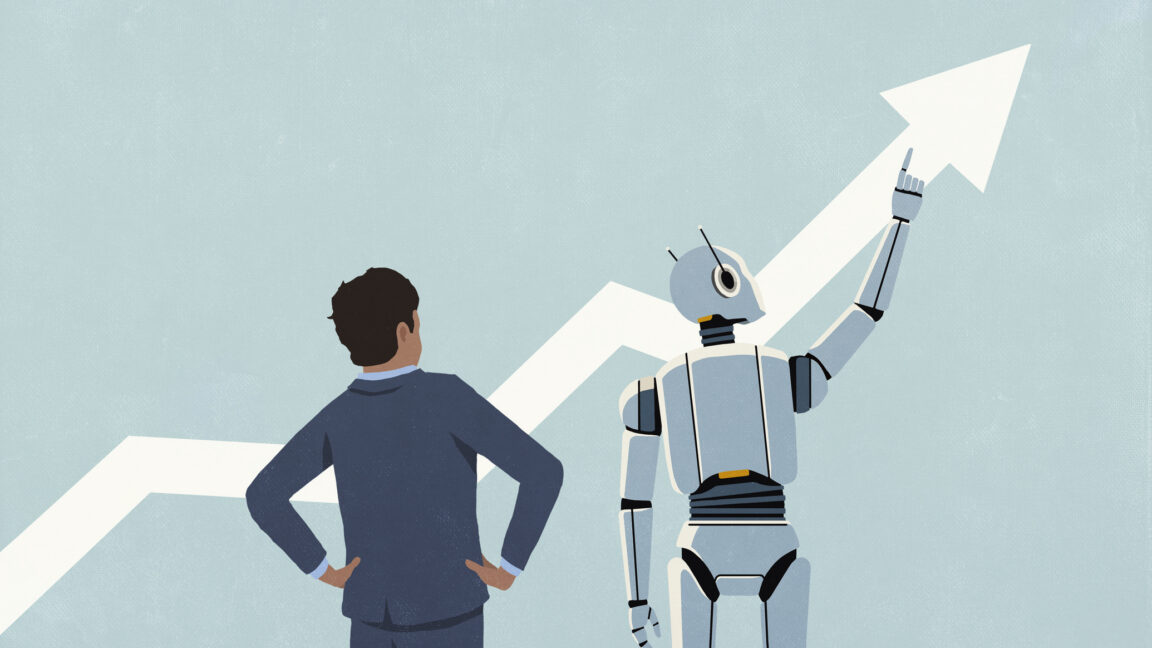
8. AI is hitting entry-level jobs hardest, Stanford study finds (arstechnica.com)

Young employment in AI-impacted fields down 19% compared to more AI-resistant occupations.

A recent Stanford study reveals that young workers in fields affected by AI have seen a 19% decline in employment, highlighting the stark contrast with jobs less vulnerable to automation. Understanding these trends is crucial for navigating the changing job market.

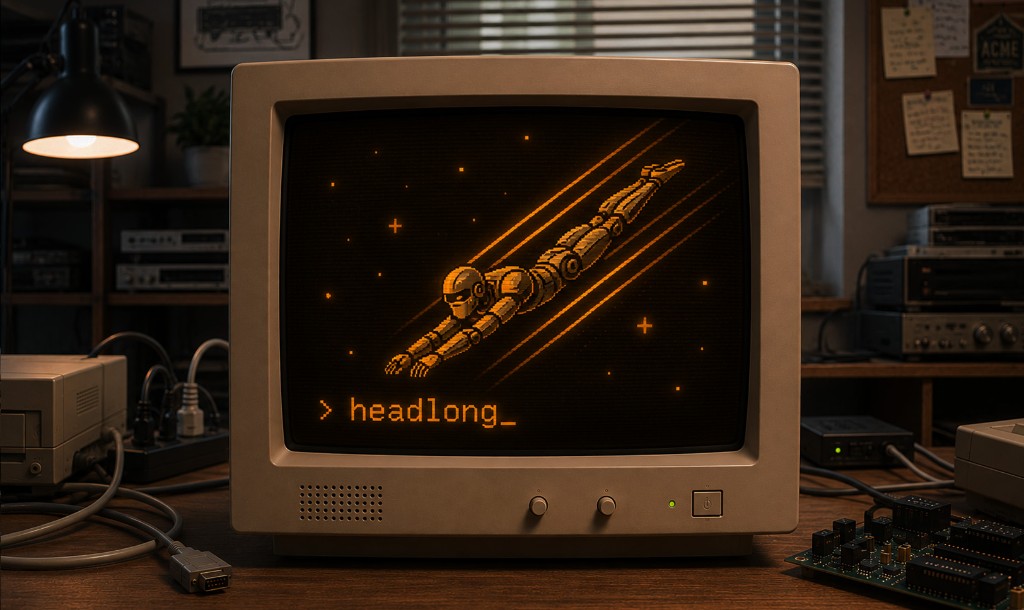
11. Headlong: A Microharness for Persistent Agents (www.laude.org)

Self-guided agents that think continuously

Researchers have developed a microharness designed for self-guided agents that operate with ongoing thought processes. This innovation could enhance the capabilities of persistent AI systems in various applications.

13. Anthropic tells staff to work from home due to possible security team strike (www.businessinsider.com)

Anthropic staff were told they should not come to the AI company's San Francisco offices on Monday and Tuesday in case a security strike took place.

Anthropic has advised employees to stay home early this week amid concerns of a potential strike by their security team, affecting operations at their San Francisco offices. This situation highlights ongoing tensions within the company and raises questions about its security management.

15. OpenAI restores 5-hour Codex and Work limits for ChatGPT Plus users (9to5mac.com)

OpenAI announced today that it is restoring a five-hour limit on Codex and ChatGPT Work for Plus subscribers. Here are the details.

OpenAI is reinstating a five-hour usage limit for Codex and ChatGPT Work specifically for Plus subscribers, impacting how these tools can be utilized. Read on for the specifics of this decision and what it means for users.

16. HelloAssembly The smallest possible complete Windows application (github.com)

The smallest possible complete Windows application - PlummersSoftwareLLC/HelloAssembly

Discover how PlummersSoftwareLLC has created an ultra-compact Windows application that emphasizes minimalism while still being fully functional. It’s a fascinating look at the extremes of software design and efficiency.

17. Ox-Alpha Is GLM? (dejan.ai)

Prompt injection and gzip-NCD compression analysis reveal that OX Alpha, a mysterious LLM on OpenRouter, is GLM developed by Z.ai.

Research into prompt injection and gzip-NCD compression has identified OX Alpha, a little-known language model, as a version of GLM created by Z.ai. This finding sheds light on its underlying technology and potential applications.

18. Lightweight system monitor for Linux VPS written in Go (github.com)

Lightweight system monitor for Linux VPS. Contribute to leodeim/vpsmon development by creating an account on GitHub.

A new lightweight system monitor for Linux VPS is available on GitHub, inviting contributions from developers interested in enhancing its capabilities. Check it out to see how it can help you manage your virtual private servers more efficiently.

20. Show HN: Screen memory without screenshots, just text to Markdown (github.com)

A menu bar app that keeps a written record of what you worked on. - dragthelake/ambient-context

This macOS menu bar app captures the text from your active window at regular intervals, converting it into daily markdown files without using screenshots or video. It offers a unique way to track your work and projects, making it easy to review what you’ve accomplished on specific days.

21. Fuzzing the Gleam Compiler (www.kurz.net)

Can you find bugs in a compiler by generating random programs?

The article investigates the effectiveness of using random program generation to uncover bugs in the Gleam compiler. It presents insights into the fuzzing process and its potential to enhance compiler reliability.

22. Apple Releases New Polishing Cloth (www.macrumors.com)

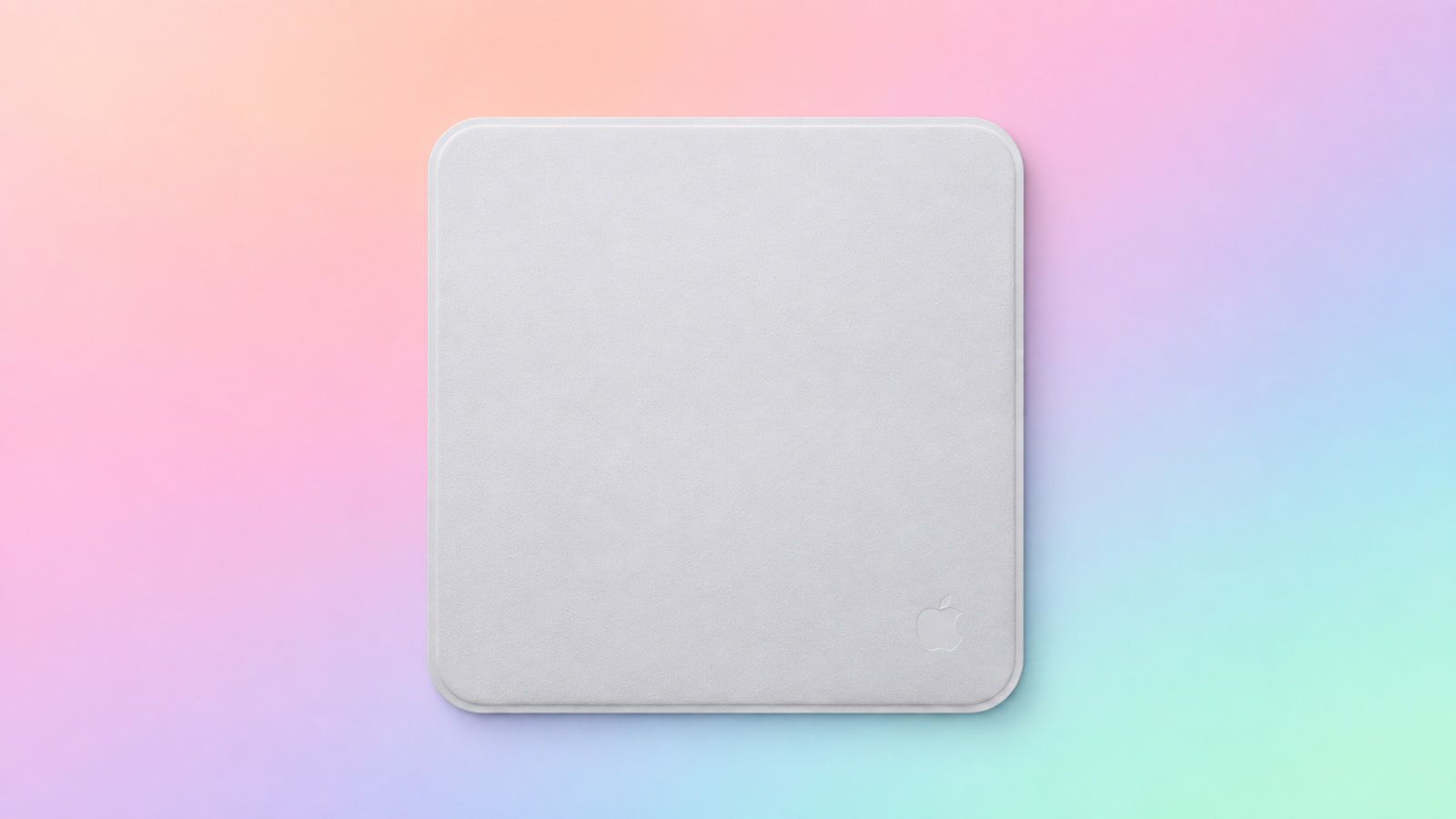
Apple today released a new version of its Polishing Cloth on its online store. In the U.S., pricing is now set at $9, down from $19 for the previous version of the cloth. We have yet to determine if the new Polishing Cloth is smaller than the original or has any other notable changes beyond lower pricing. We have yet to determine if the new Polishing Cloth is smaller than the original or has any other notable changes beyond lower pricing.

Apple has introduced a new version of its Polishing Cloth, now priced at $9, a significant drop from the previous $19. Details on size and other changes remain unclear, making this a curious release for fans of Apple’s accessories.

25. Pgbot: A 5.9 MB read-only Postgres tool for humans and agents (pgbot.dev)

Connect any PostgreSQL database and get visibility into performance, queries, health, schema, and changes — with AI-powered explanations.

Pgbot is a lightweight tool designed to enhance your PostgreSQL experience by providing insights into database performance, queries, and health, all with the help of AI-generated explanations. It’s a handy resource for both developers and automated agents looking to optimize their database management.

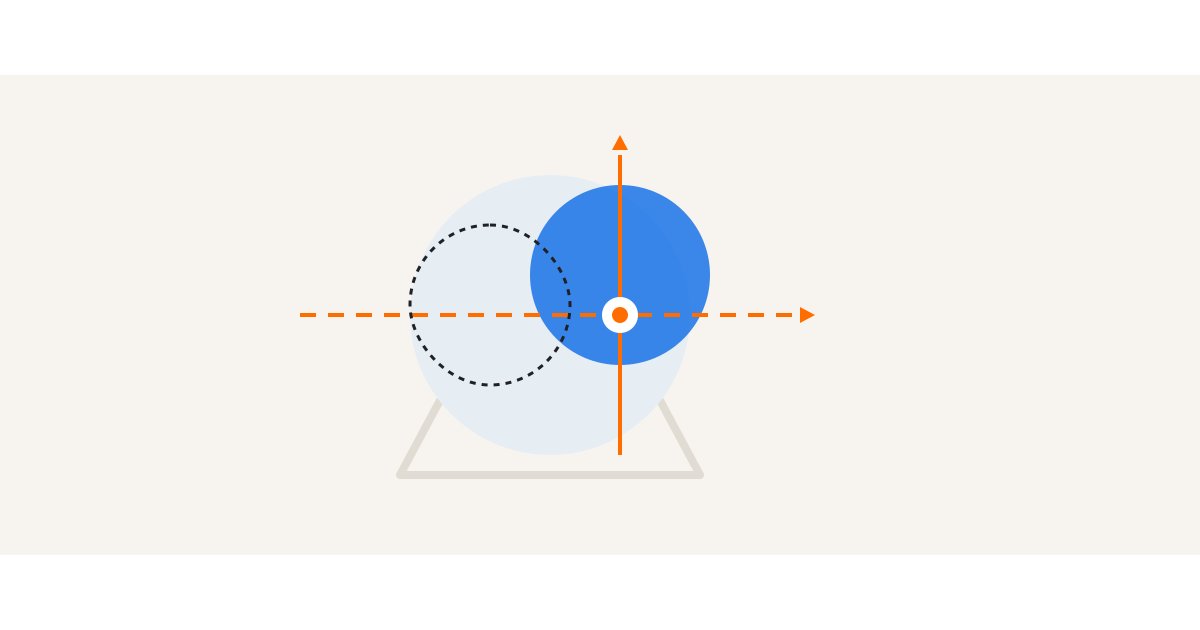
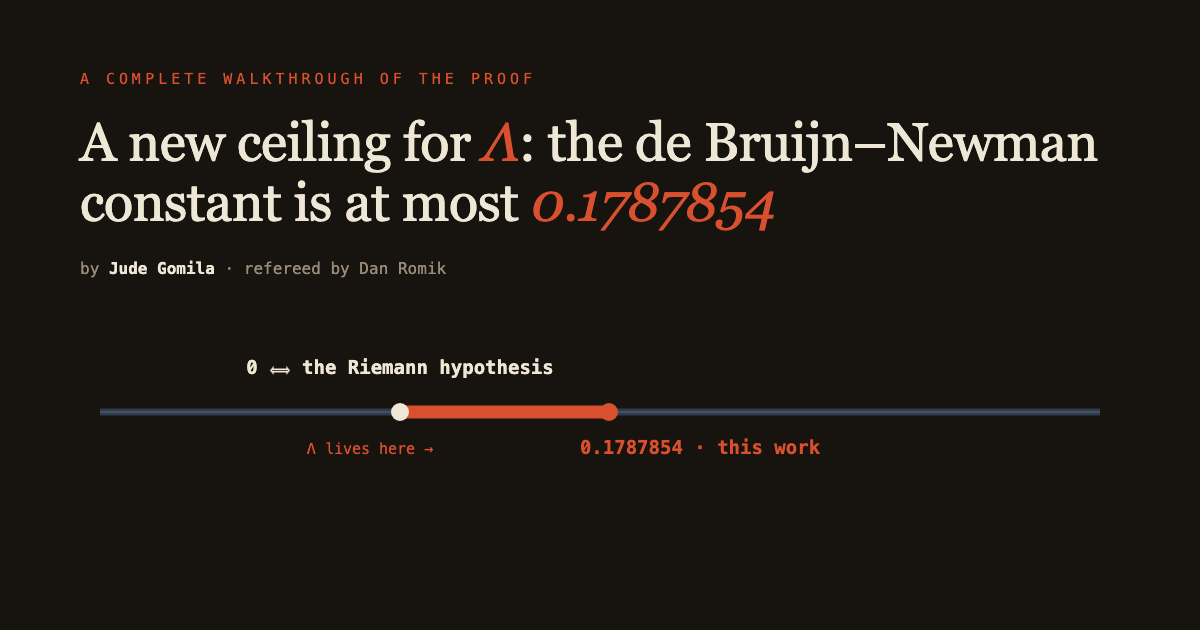
26. A new ceiling for Λ: the de Bruijn–Newman constant is at most 0.1787854 (www.judegomila.com)

A walkthrough of Jude Gomila's computer-assisted proof lowering the ceiling on Λ from 0.2 to 0.1787854.

Jude Gomila has successfully used a computer-assisted proof to reduce the upper limit of the de Bruijn–Newman constant from 0.2 to 0.1787854. This advancement could have significant implications in the field of mathematics, particularly in understanding random processes.

27. Quantum battery upends the rules of charging (www.bbc.com)

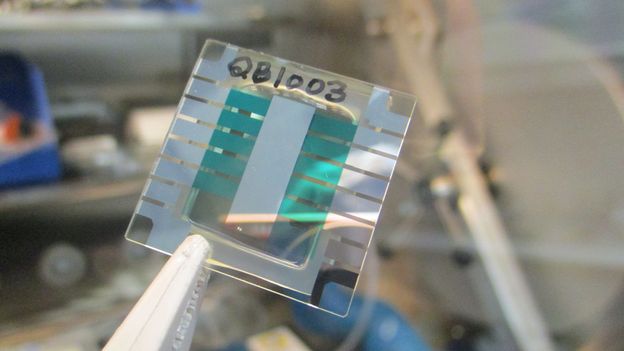
The world's first quantum battery prototype is here and it has some bizarre properties. Could these devices one day power quantum computing – or even your phone?

A new prototype of a quantum battery has been developed, featuring unusual characteristics that could potentially transform how we power devices like quantum computers and smartphones. The implications of this technology could reshape our understanding of energy storage and charging.

28. US data centers tripled annual water consumption to 17B gallons (forgeeks.net)

US data centers consumed an estimated 17 billion gallons of water in 2023, with electricity generation accounting for more than 80% of the total.

US data centers have significantly increased their water usage, reaching 17 billion gallons in 2023, primarily due to electricity generation. This surge raises concerns about the environmental impact of tech infrastructure on water resources.

29. Screen viewing time from age 1 to 8 years and subsequent academic performance (link.springer.com)

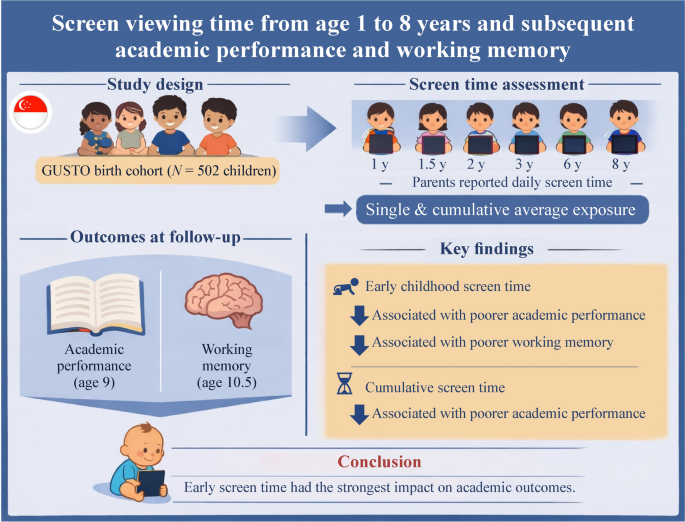
Background Screen viewing time is associated with children’s academic and cognitive outcomes, but longitudinal studies are scarce, hindering identification of the most sensitive age periods. We assessed the associations of single and cumulative average screen viewing time with academic performance and working memory. Methods In the Growing Up in Singapore Towards healthy Outcomes birth cohort, parents reported their child’s screen viewing time at ages 1, 1.5, 2, 3, 6 and 8 years. At ages 9 and 10.5, trained psychologists assessed academic performance (Wechsler Individual Achievement Test-Third Edition) and working memory (Letter-Number Sequencing task; Wechsler Intelligence Scale for Children-Fifth Edition). Associations of single and cumulative average screen viewing time with psychological outcomes were examined by multivariable linear regression (N = 502 children). Results Mean (standard deviation) screen viewing time ranged from 2.1 (2.0) hours/day at age 1 year, to 3.0 (2.2) hours/day at 8 years. In unadjusted models, higher screen viewing time from age 1 to 8 years was consistently associated with poorer academic performance at age 9 years and working memory at 10.5 years. After adjustment, effect sizes were reduced, but higher screen viewing time at ages 1 year [β = – 1.47, 95% confidence interval (CI): – 2.37 to – 0.57 standard points per additional hour per day], 1.5 years (β = – 0.95, 95% CI: – 1.85 to – 0.06), and 6 years (β = – 0.88, 95% CI: – 1.55 to – 0.21) had persisting associations with poorer academic performance at age 9 years. Greater screen viewing time at ages 1 year (β = – 1.12, 95% CI: – 2.07 to – 0.17) and 6 years (β = – 1.01, 95% CI: – 1.71 to – 0.31) was associated with poorer working memory at age 10.5 years. Cumulative average exposure models showed that screen viewing time over childhood was consistently associated with poorer academic performance but not working memory. Conclusion In this longitudinal study, cumulative average screen viewing time was associated with lower academic performance but not working memory, with the strongest effect sizes seen for single screen viewing time occurring in early infancy. Graphical abstract

Research indicates that screen time during early childhood may influence academic performance and cognitive skills later on. This study tracks screen viewing habits from age one to eight to better understand their long-term effects on children’s academic outcomes.

Article Details

Browse by Date

Type to search HN and engineering blog articles
Press Escape to close  |  ↑↓ to navigate  |  Enter to open