

2. Universal Health Coverage Could Save $1T and 114,000 Lives a Year, Yale Study (ysph.yale.edu)
A single-payer universal health care system could cover every American, save more than 100,000 lives a year, and still cost $1 trillion less than the system it
A study from Yale suggests that a single-payer universal health care system in the U.S. could not only provide coverage for all Americans but also save over 100,000 lives annually while reducing costs by $1 trillion. This research highlights the potential benefits of rethinking the current health care model.

3. Qwen 3.8 27B is excellent, but it defaults to overthinking things (simonwillison.net)
Friday’s big release was Qwen 3.8 27B, an Apache 2 licensed 27B parameter vision-capable LLM from Alibaba’s Qwen research lab. I’ve been looking forward to this one: 27B is an …

4. Incident with Github.com (www.githubstatus.com)
GitHub's Status Page - Incident with GitHub.com.
GitHub is currently experiencing an incident, as indicated on their status page. Users may be facing issues accessing the platform, making it crucial for developers and teams to stay updated on the situation.
5. A Preview of DuckDB v2.0 (duckdb.org)
DuckDB v2.0 is coming this fall. In this post, we preview its headline features: DuckDB as a server, triggers, the VARIANT type, asynchronous I/O, a new SQL parser, a new storage format, and much more.
DuckDB v2.0 will introduce significant enhancements, including server capabilities, triggers, and a new SQL parser, along with features like asynchronous I/O and a new storage format. Get a closer look at how these updates might improve your data management and analytics tasks.
6. Bluesky draws its logo on screenshots (timmarinin.net)
The secret is humble UITextField.
Bluesky is using a simple UITextField to create its logo on screenshots, highlighting a clever approach to design that relies on basic tools. This method showcases how straightforward elements can be utilized in innovative ways.
7. Ask HN: Alternatives to GitHub
With GitHub experiencing frequent outages, users are considering whether it’s time to explore other code hosting platforms. This discussion highlights potential alternatives and the pros and cons of making a switch.
8. Memory prices climb 500% in 12 months, up to 10x the lowest ever tracked prices (www.tomshardware.com)
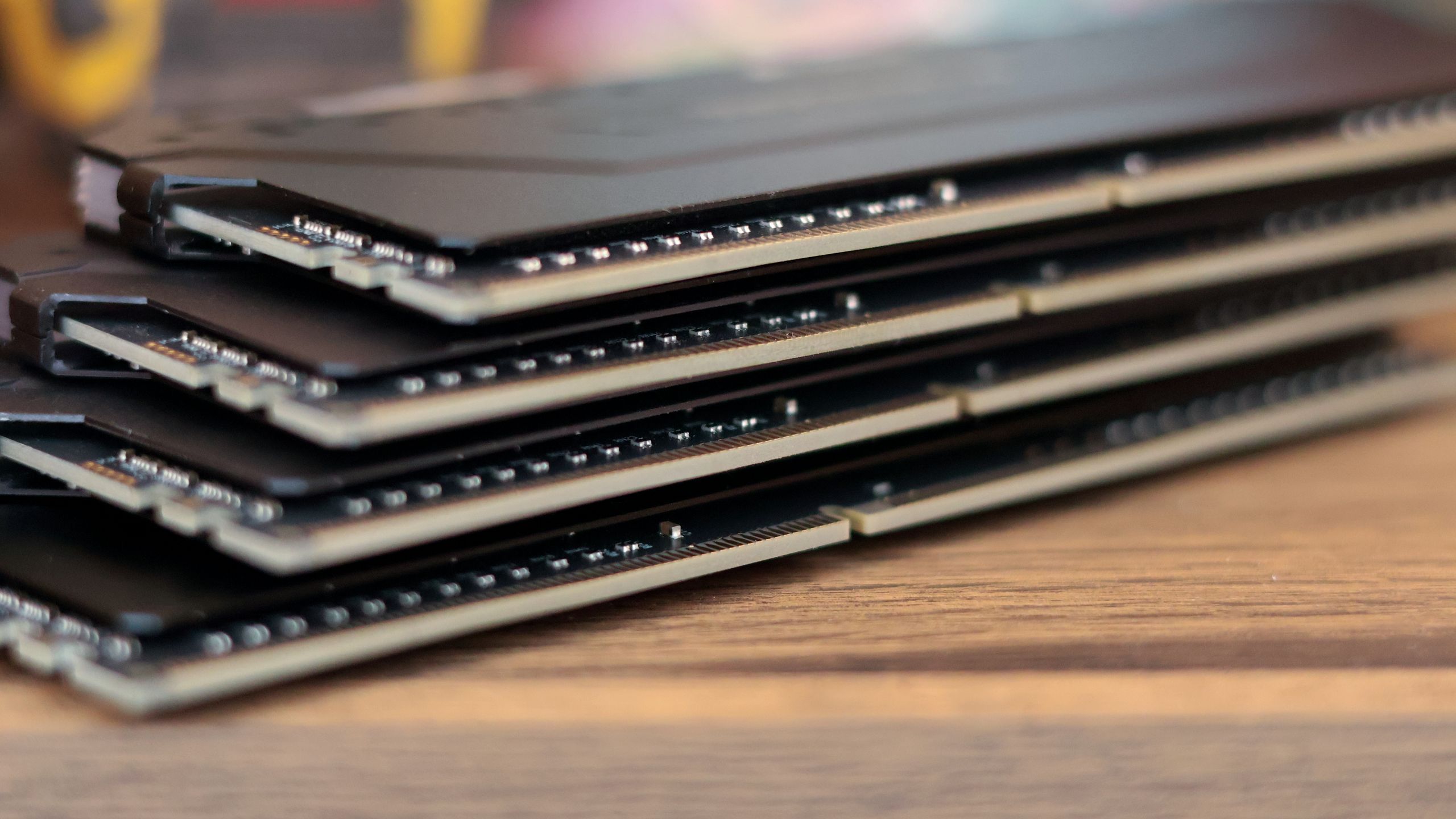
Analysis of historical price data trends indicates that the memory crisis has driven RAM prices to never-before-seen heights.
RAM prices have surged dramatically over the past year, reaching levels never recorded before, largely due to ongoing supply issues. This trend highlights the significant impact of the memory crisis on the tech market.

9. Cursor launches Origin, GitHub alternative (cursor.com)
10. Tell HN: GitHub Is Overloaded
Users are reporting issues with GitHub’s availability, receiving error messages about overloaded servers. This raises concerns about the platform’s reliability during critical development periods.

11. Olo (Color) (en.wikipedia.org)
12. Quake Shareware, a CD-ROM just a little too full (fabiensanglard.net)
13. AI-Generated GitHub Copilot "Autofix" Allowed Compromise of Snowflake's Jira (www.wiz.io)
An AI-generated fix in a public Snowflake repo introduced a workflow injection flaw—discovered in days by Wiz Red Agent. Read the full research analysis.
A recent AI-generated fix in a Snowflake repository inadvertently created a security vulnerability, which was quickly identified by Wiz Red Agent. This incident highlights potential risks associated with automated coding tools and their impact on software security.
14. Qwen3.8 27B scores 52 on Artificial Analysis (artificialanalysis.ai)
Analysis of Alibaba's Qwen3.8 27B and comparison to other AI models across key metrics including quality, price, performance (tokens per second & time to first token), context window & more.
Alibaba’s Qwen3.8 27B has been evaluated against other AI models, highlighting its performance in areas such as quality, cost, and speed. The analysis provides insights into how it stacks up in the competitive landscape of AI technologies.
15. GPT 5.6 Sol is the best "vision" model OpenAI ever released (blog.roboflow.com)
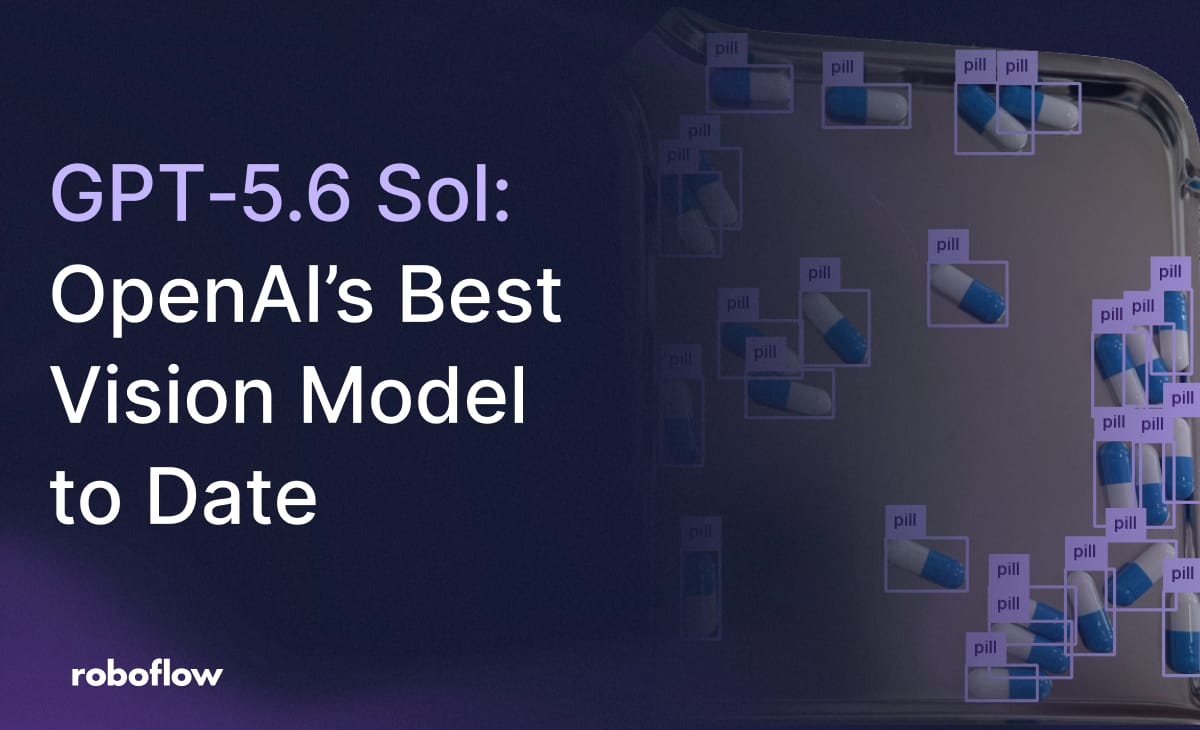
GPT-5.6 Sol is OpenAI’s strongest vision model yet. We tested Sol, Terra, and Luna across detection, counting, OCR, and extraction, then compared their results, speed, and cost with leading VLMs.
OpenAI’s GPT-5.6 Sol has outperformed its predecessors in various tasks like detection and OCR. The article provides a detailed comparison of its performance, speed, and cost against other leading vision models.
16. How to disable or avoid intrusive AI (www.librarian.net)
One of the biggest questions I get at Drop-In Time at the library (besides "what is taking up all my cloud storage?") is how to disable or avoid intrusive AI that shows up where people don't want it. This is a guide for people who would like less intrusive AI in their tech environment. Maybe you lik
Learn practical tips for reducing the presence of intrusive AI in your technology, especially if you find it overwhelming or unwanted. This guide offers straightforward advice for those seeking a more controlled tech experience.
17. Ask HN: GitHub employees what's going on? Why?
Employees at GitHub are being asked to share insights about ongoing issues within the company, as many users are frustrated with the lack of clear communication. The discussion seeks genuine insights rather than corporate narratives, aiming to clarify the situation for the community.

18. An update on leaving Gmail for Fastmail (moddedbear.com)
It's been a few months since my post on leaving Gmail which sparked a lot of discussion on Hacker News. Here's an update on how things have been going after my move to Fastmail.
After making the switch from Gmail to Fastmail, the author shares their experiences and insights gained over the past few months. This update highlights the benefits and challenges faced during the transition, providing valuable information for anyone considering a similar move.
19. GitHub down again? no PR access
Users are reporting issues accessing pull requests on GitHub despite the status page indicating that all systems are operational. This ongoing outage could disrupt development workflows for many teams.
20. The federal keyword lists that canceled billions in research funding (www.highereddive.com)
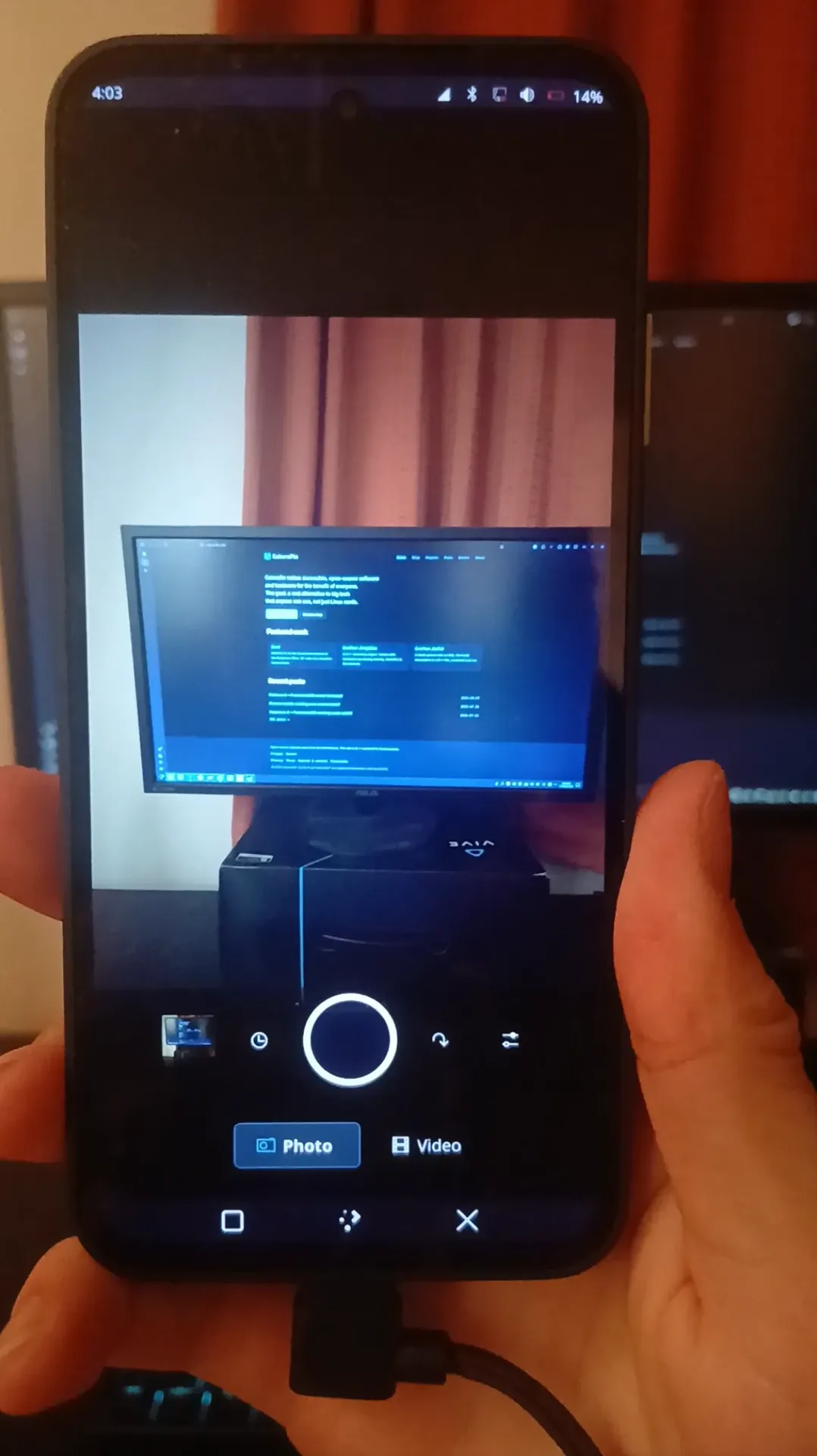
21. Fairphone 6 and PostmarketOS working main camera (catcrafts.net)
Today i bring the working main camera! Building on the work nondescriptpointer did on the wide lens camera i have written the driver for the main camera and now its working alongside auto focus and color correction. The color correction still a work in progress, but you can…
The main camera on the Fairphone 6 is now functional with PostmarketOS, thanks to a newly developed driver that also supports auto focus. While color correction is still being refined, this development marks a significant step forward for users seeking enhanced camera capabilities on alternative operating systems.
22. Sun Clock (sunclock.net)
A 24-hour clock that shows sunrise, sunset, golden hour, and twilight times for your current location. It also shows the current position and phase of the moon, and its rising and setting times.
A new 24-hour clock provides detailed information on sunrise, sunset, and moon phases based on your location. It also highlights golden hour and twilight times, making it a handy tool for photography enthusiasts and nature lovers.
23. Linear Algebra Done Right – Sheldon Axler (linear.axler.net)


25. Apple's App Tracking Transparency treated its own apps better than rivals (www.bundeskartellamt.de)

26. On A.I. regulation and messaging (twitter.com)
1/2 Thanks Gavin for an especially thoughtful exchange. I don't usually spend much time on social media but I wanted to engage here because it really brings out the heart of an important conversation.
First, on regulation, I think that “either concentrate it in the hands of a
First, on regulation, I think that “either concentrate it in the hands of a

27. GPU Offload in Rust: Portable, Safe, and Fast (arxiv.org)
High-performance GPU programming has traditionally forced a compromise between execution efficiency and memory safety. While Rust guarantees compile-time memory safety for host CPUs via its strict ownership model, applying these constraints to massively parallel GPU execution environments has previously mandated either vendor-locked Domain-Specific Languages (DSLs) or escaping to explicit unsafe raw pointers. This paper presents a zero-overhead, multi-vendor GPU compilation framework built natively into the Rust compiler (rustc) and LLVM backends.
We leverage Rust's rich type system, ownership system, and strict aliasing guarantees (noalias) to efficiently manage and optimize data transfers through LLVM's Offload infrastructure. We expose the technical challenges of cross-vendor ABI lowering mismatches between Host and Device targets and introduce a two-pass compilation pipeline capable of safely handling both manual and compiler-generated memory movements. Evaluating our framework on RAJAPerf demonstrates that our rustc-based solution can generate competitive LLVM IR for GPU kernels, achieving a solid kernel performance against native, hand-optimized CUDA and HIP C++ baselines.
We leverage Rust's rich type system, ownership system, and strict aliasing guarantees (noalias) to efficiently manage and optimize data transfers through LLVM's Offload infrastructure. We expose the technical challenges of cross-vendor ABI lowering mismatches between Host and Device targets and introduce a two-pass compilation pipeline capable of safely handling both manual and compiler-generated memory movements. Evaluating our framework on RAJAPerf demonstrates that our rustc-based solution can generate competitive LLVM IR for GPU kernels, achieving a solid kernel performance against native, hand-optimized CUDA and HIP C++ baselines.
A new framework for GPU programming in Rust promises to enhance performance without sacrificing memory safety. By eliminating the need for vendor-specific languages or unsafe coding practices, it aims to streamline development across different GPU architectures.