
1. How I use LLMs to learn complex topics (laurentiugabriel.github.io)
LLMs are used for any things. Learning new things is one of the top use cases.
Windows 11’s Weather app is under scrutiny for its excessive RAM usage, consuming over 1 GB compared to Apple’s more efficient native Weather app on macOS. This raises questions about resource management in Windows 11 and its implications for system performance.
A new website called Dark Hours helps users identify celestial events visible in the night sky. Find out how it can enhance your stargazing experience.

Learn how one user transformed a CMF Phone 1 into a home server by rooting it, enabling personal infrastructure management in a compact device. Discover the steps and benefits of repurposing smartphones for server tasks.

The article discusses strategies for individuals to protect their privacy in an age where personal data is constantly being collected. It offers practical tips for resisting surveillance and reclaiming control over personal information.
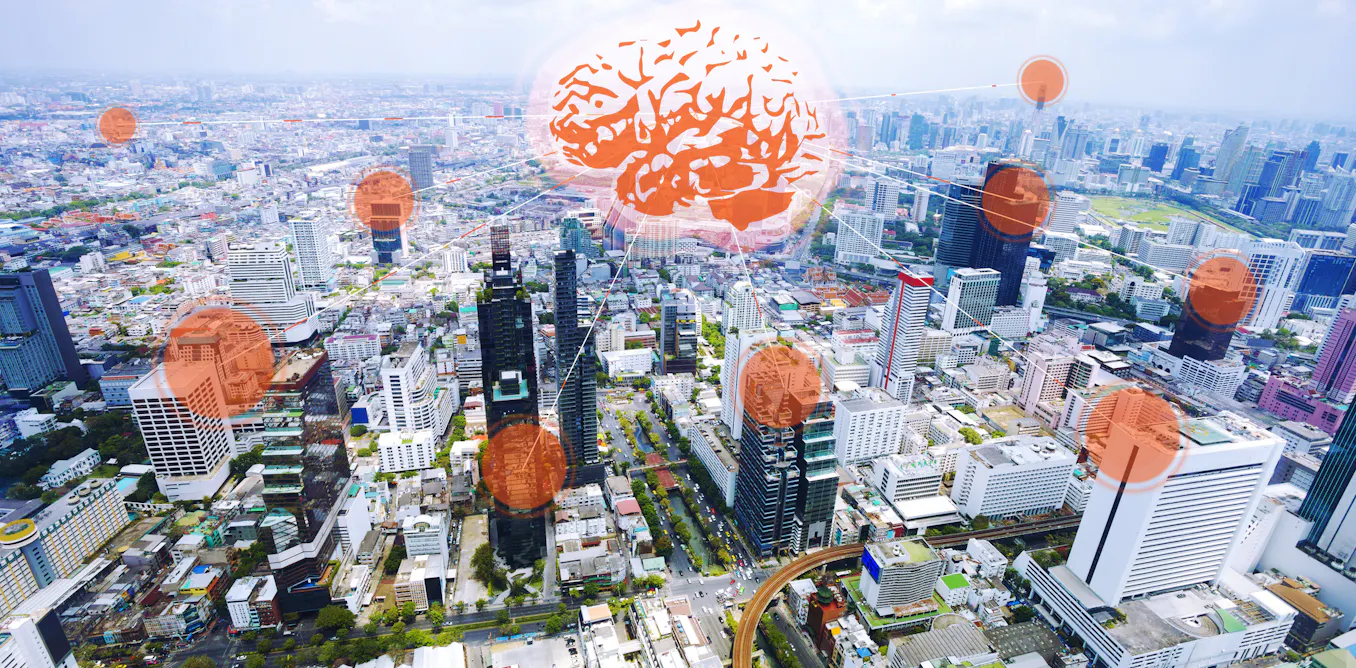
Research suggests that taxi drivers, who navigate complex environments daily, may experience delays in cognitive decline, particularly in relation to Alzheimer’s disease. This insight highlights the potential impact of spatial awareness on brain health.

An astrology app’s rejection from the App Store has sparked a discussion about expectations and the nature of app submissions. The piece critiques the irony of the situation and reflects on the author’s surprise at the rejection.

Shopify shares their experience of replacing Redis with MySQL for inventory reservations, detailing their use of SKIP LOCKED, composite primary keys, and connection visibility to achieve significant scalability. Learn about the technical strategies that enabled this transition.
An innovative iPhone app allows users to capture high-resolution photos by simultaneously using two lenses, merging the images into one enhanced shot. This technology promises to elevate mobile photography with improved detail and clarity.

Jill Lepore discusses how Silicon Valley’s interpretations of science fiction influence its approach to technology and governance, arguing that this perspective poses risks to democratic values. The conversation critiques figures like Elon Musk for their misunderstanding of the genre’s implications.
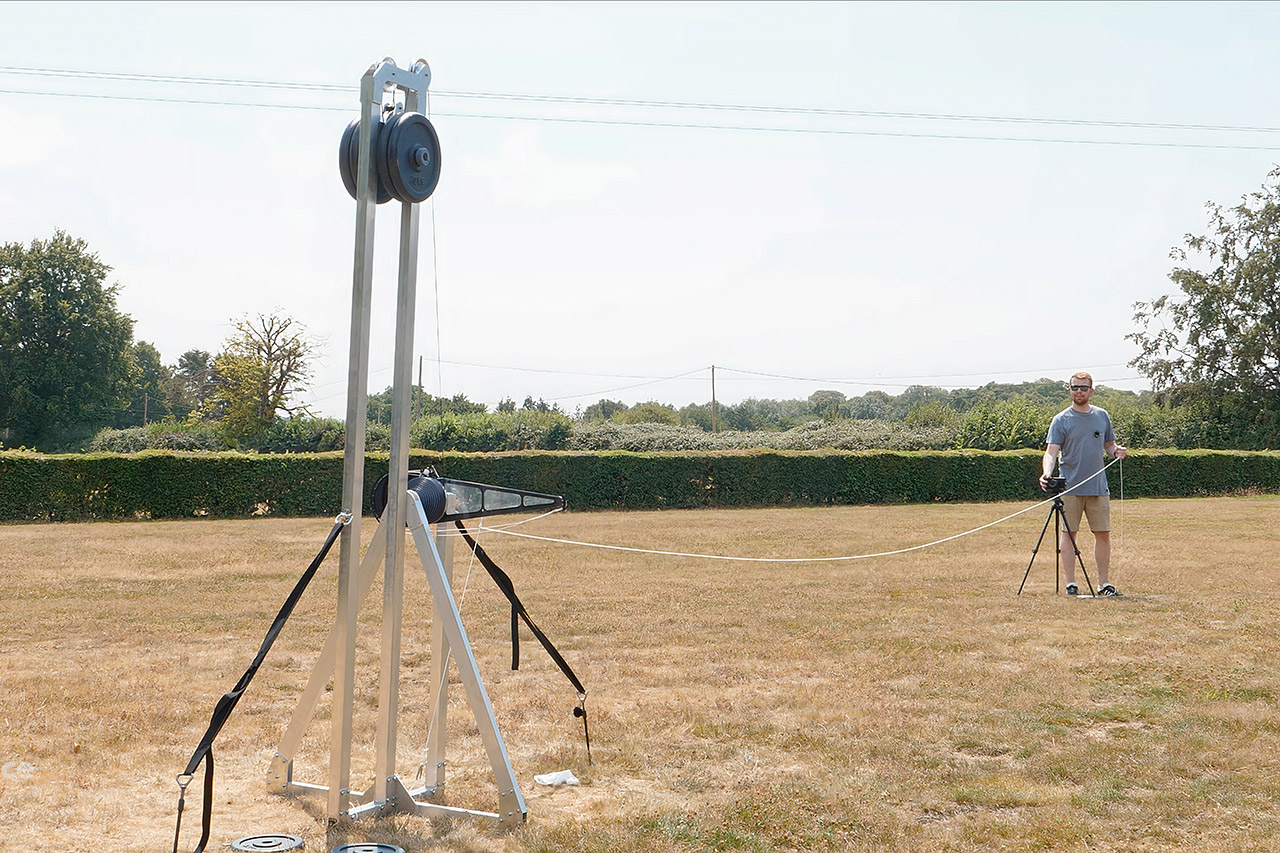
Tom Stanton has achieved a remarkable feat by breaking the sound barrier with a gravity-powered trebuchet, launching a lightweight projectile at an impressive 776 miles per hour. This innovative approach revives a medieval engineering concept, demonstrating the potential of simple mechanics to achieve extraordinary results.
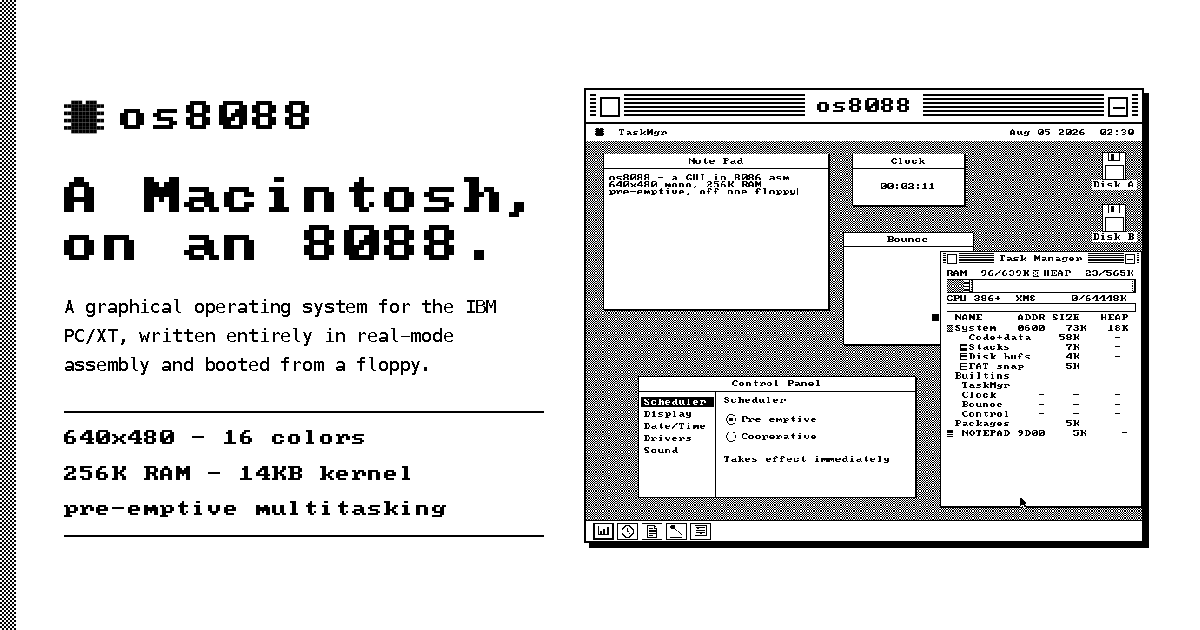
Os8088 offers a Macintosh-like graphical experience for vintage Intel systems, specifically the 8086 and 8088, with a lightweight design that requires only 256KB of RAM. It’s available for free, making it an intriguing option for retro computing enthusiasts.

Discover how Dr. Stéphane Pigeon transformed his experience with tinnitus into a positive journey through sound, leading to unexpected results. His insights into the myNoise platform reveal a unique approach to managing auditory challenges.
A user seeks practical advice on developing browser-based interfaces for e-ink devices, specifically the Bigme Hibreak Pro BW. They’re interested in creating a more compatible and user-friendly experience while embracing a lifestyle less influenced by distractions.
The article investigates the unique properties of the number 19 in relation to hexagonal shapes. It reveals intriguing mathematical patterns and relationships that arise within hexagons of different orders.

OpenChamber offers a versatile platform for AI coding that works across multiple devices, including desktop and mobile. Users can monitor agent activity, review changes, and maintain an overview of their projects in a collaborative environment.
A new x64 port of Microsoft Word 1.1a has been released, offering additional features specifically designed for research purposes. This version could be a valuable tool for those looking to explore vintage software with modern enhancements.
After four years of neglect, a reMarkable 2 tablet is brought back to life, revealing the challenges of reviving old tech and the state of the device after years of disuse. The journey highlights what happens to gadgets when they are left untouched for years.
