

2. Zohran Mamdani's NYC Tech Team Is What DOGE Should Have Been (www.wired.com)
The mayor of New York City has assembled a crew of Silicon Valley and United States Digital Service veterans to overhaul city services with better software.
3. Anthropic CEO reportedly worried new hires only care about money (finance.yahoo.com)
4. Energizing a vacuum-tube flip-flop module from a 1948 IBM system (www.righto.com)
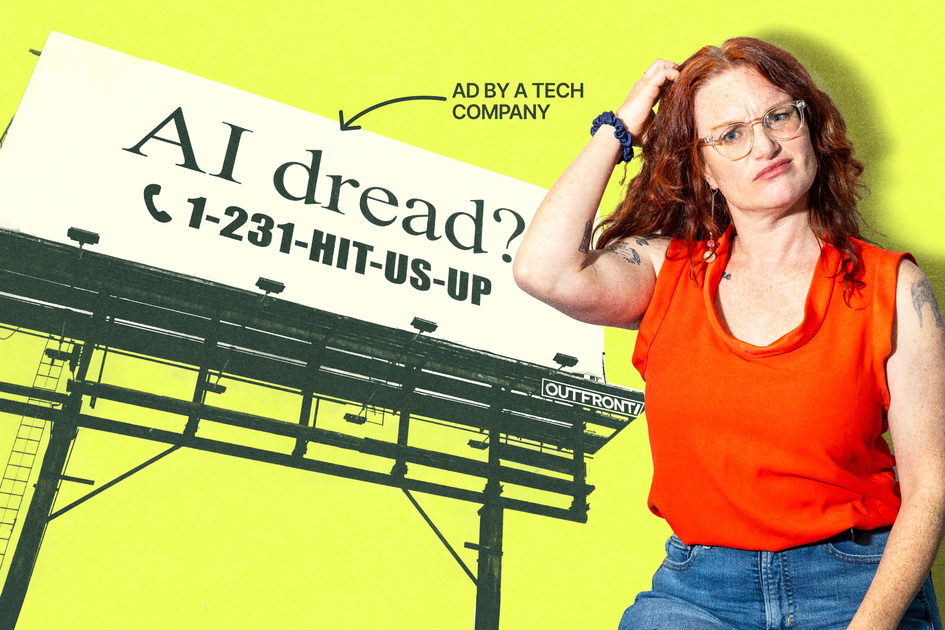
6. The AI Billboards Are Killing SF (sfstandard.com)
San Francisco is blanketed in AI ads that make no sense – and most of us have stopped reading them. But others are fighting back.
San Francisco is overwhelmed by nonsensical AI-generated ads, leading many residents to ignore them entirely. However, some locals are pushing back against this digital clutter, sparking a conversation about the impact of AI on urban life.
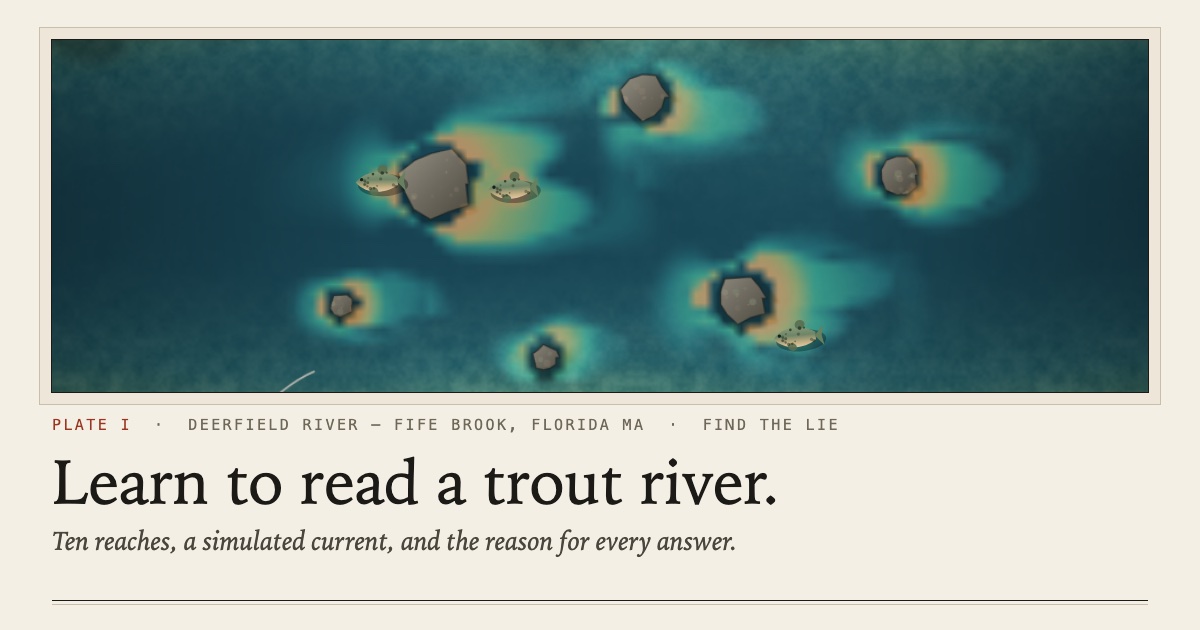
8. Show HN: A free mini game that makes you a smarter fly fisherperson (read-the-water.netlify.app)
A fly fishing trainer with a simulated river. Find the lies, place the fly, know the bug — and get told why, every time.
This mini game simulates fly fishing in a virtual river, helping players identify insects and improve their skills through feedback on their choices. It’s a fun way to enhance your fishing knowledge while enjoying a game.

9. Trump again tries to limit US birthright citizenship with new executive orders (www.bbc.com)
The executive orders ban birth tourism and expand the existing definition of people whose children are not eligible for US birthright citizenship.
10. Artificial Intelligence used to design new viruses (www.bbc.co.uk)
11. Show HN: Certo – An open source platform to deliver Open Badges (github.com)
An open source project for courses, workshops and conferences organizers to create certifications using Open Badges 3.0 - Schroedinger-Hat/certo
Certo is a platform that allows organizations to issue and manage digital credentials using open standards, ensuring portability and verifiability. Its self-hosted architecture and API-first design make it suitable for various environments, from private networks to cloud services.

12. Bulldozers Plow Through Big Bend National Park, Sparking Fury in Texas (www.newsweek.com)
Video and photos show work underway in Big Bend National Park, the location of a border project which has sparked bipartisan fury.
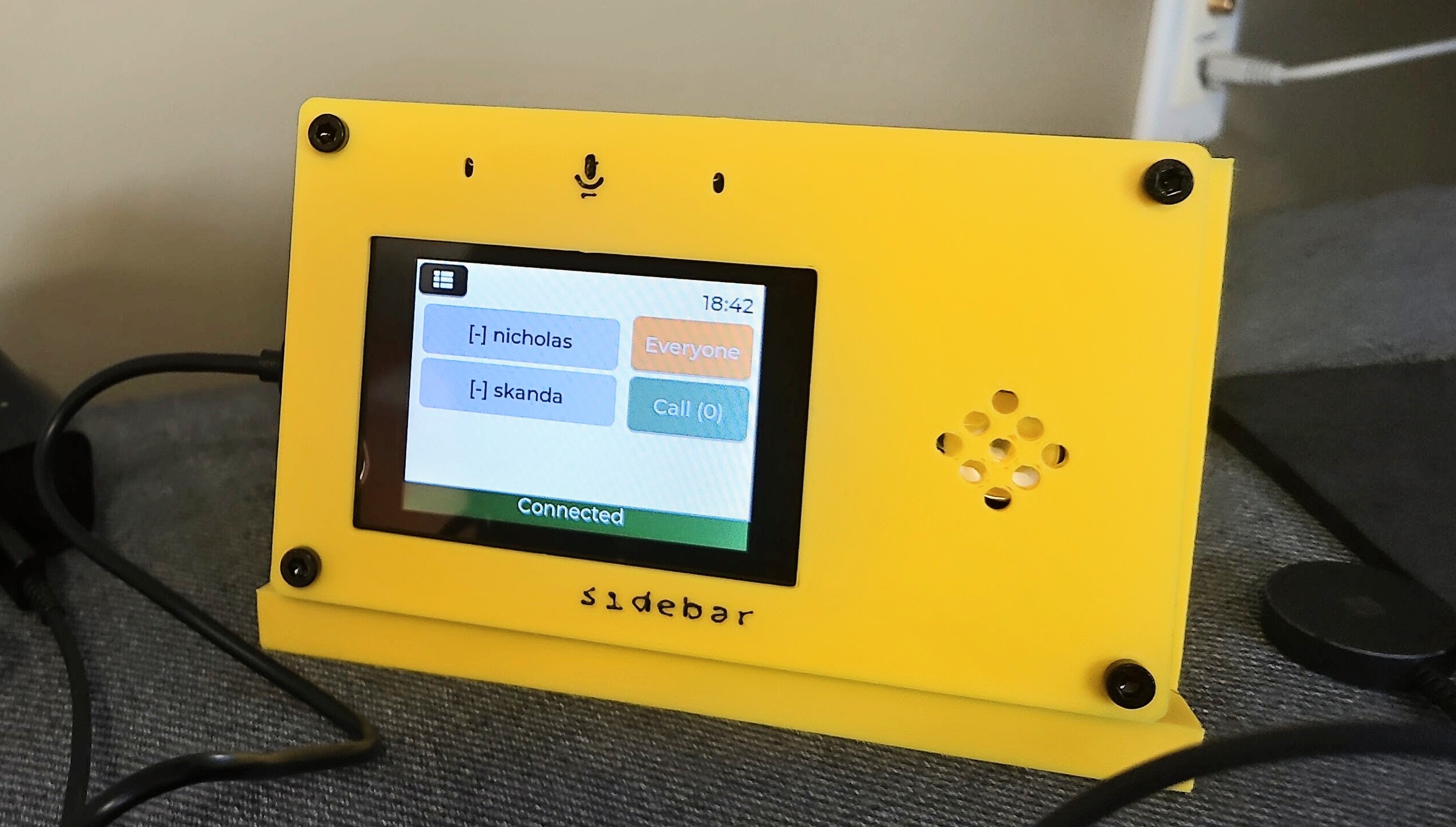
13. Show HN: Sidebar – a private ESP32 intercom for five kids, no accounts (www.sundaradnus.ca)
A parent excited by his childhood Hollywood movie portrayal of kids using ham-like radios chatting away to glory wanted to provide that experience to his son and his friends.
14. Spin audit of SQD/QSCI quantum-chemistry benchmarks on iron–sulfur clusters (zenodo.org)
This is the data-and-code archive for the preprint "Which state are you converging? A spin audit of sample-based quantum diagonalization benchmarks on iron–sulfur clusters." Sample-based quantum diagonalization (SQD, also called QSCI) selects electronic configurations from quantum-circuit samples and diagonalizes the Hamiltonian in that subspace. Its iron–sulfur demonstrations, on the [2Fe-2S] and [4Fe-4S] clusters, are among the headline evidence for utility-scale quantum chemistry. This work asks a question the original benchmarks did not: when the projected energy converges, has the calculation actually converged to the target spin state? Using a rotation-invariant spin audit, exact determinant-space ⟨S²⟩, invariant S²-Gram spectra across near-degenerate manifolds, and higher spin moments, it finds that no audited execution returns the named singlet at a competitive energy. At the largest published dimension (5.625×10⁷ determinants), the numerically stable lowest root lies about 170 mHa below the published energy but at ⟨S²⟩ = 1.37, nowhere near a singlet, and the released hardware samples show no energy advantage over their own uniform-random control. The recommendation: measured spin moments should become a required benchmark output. The archive lets a reader reproduce and check the analysis. Start with START_HERE.md inside the zip. The package holds the paper (Markdown, LaTeX, and PDF), every analysis and figure script, the per-run result archives, a reproduction map tying each headline claim to the artifact and command that regenerate it, and the audit trail. Four large files ship next to the zip as standalone companions rather than inside it: the flagship-dimension amplitude archive and three certification vector blocks. SHA-256 hashes for the zip and all four companions are recorded in SHA256SUMS inside the package, so every file can be integrity-checked before use.
The discussion centers on a contentious debate regarding IBM’s claims about the effectiveness of quantum computers in chemistry, specifically related to iron-sulfur clusters. The author addresses criticisms of these claims, focusing on the need to clarify which electronic states the quantum calculations are converging to.
15. The End of No Code (blog.exe.dev)
Writing custom software used to be expensive. Coding agents changed the math.
The rise of coding agents is shifting the landscape of software development, making custom solutions more accessible and affordable than ever before. This change could redefine how businesses approach their tech needs.
16. Show HN: Whisper transcribes 70-year-olds more accurately than 20-year-olds (github.com)
Speech recognition does not degrade with speaker age. Voice-agent turn-taking does, by 2-5x. - Kayvan-Zahiri/asr-age-gap
A new study reveals that speech recognition technology transcribes older adults more accurately than younger ones, challenging common assumptions about age and technology. However, the ability of voice agents to manage turn-taking significantly declines with age, raising important questions about user experience for different age groups.

17. Generative "AI": The Guitar Hero of Creativity (whatever.scalzi.com)
So, you’re a person who has decided to embark on a creative journey of self-expression — to make art, in other words. First off, this is awesome! The universe needs more people making a…
18. Show HN: Remembrane – agent memory in one SQLite file, zero dependencies (github.com)
Local-first memory for AI agents: one SQLite file, zero deps. Recency-aware exact recall, conflict detection, time-travel journal, MCP server. - satyasairay/remembrane

19. Obviously, DOGE Did Not Save Money (www.nationalreview.com)
Reining in federal spending was never going to be so easy.

20. Show HN: Recipe Jar, a local-first recipe keeper with no account or ads (recipejar.app)
Paste a recipe link, get a clean card. Save unlimited recipes on your own device. No account, no ads, free forever.
21. Learning to fly FPV drones with AI flight coach (blog.divyendusingh.com)
22. Chasa (chasa.io)
Free AI invoice follow-up for US freelancers. Paste unpaid invoices — get the right tone at 1 week, 30 days, or 60+ days overdue. You send every draft.
Freelancers in the US can now streamline their invoice follow-ups with a free AI tool that helps generate the appropriate reminders for unpaid invoices at various overdue intervals. With the ability to customize drafts, it ensures professional communication while saving time.
23. I've succesfully compiled Netscape 3.0.2 on a 64 Debian (www.reddit.com)
24. Show HN: S-Bahn Seat Picker (welidev.github.io)
25. Show HN: Clef – spaced repetition for piano over MIDI (playclef.com)
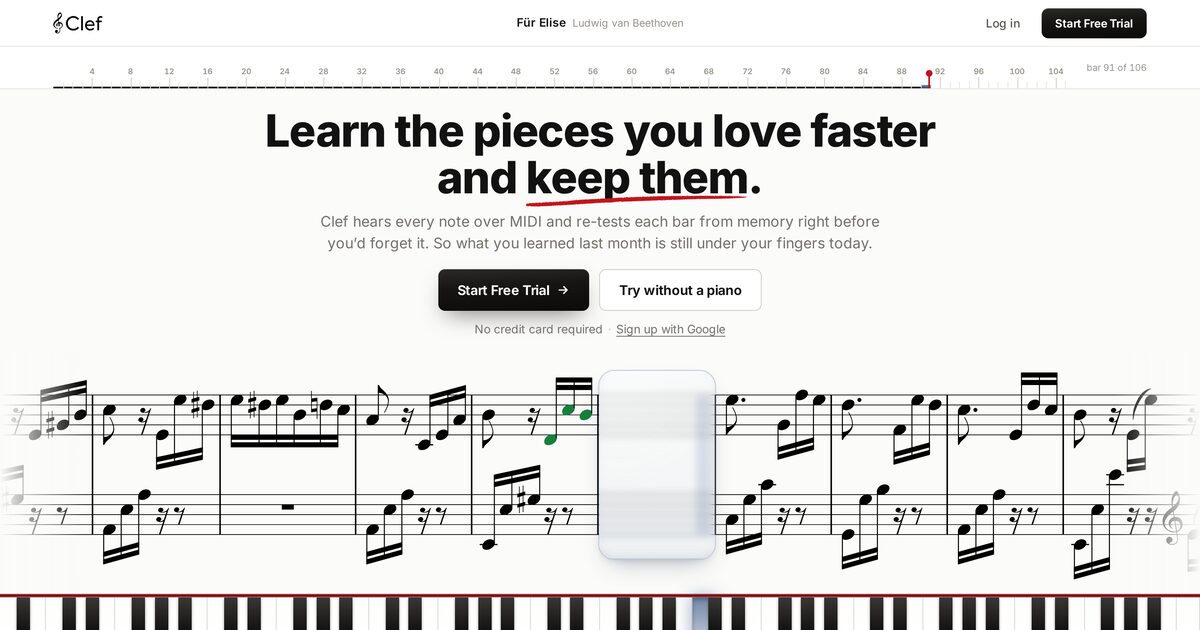
Clef is a piano practice app that puts real sheet music on screen, hears every note over MIDI, and re-tests each bar from memory with spaced repetition.
26. Show HN: XSAF – Extra Small Agent Framework (xsaf.ilha.build)
A small, fetch-native TypeScript framework for building secure AI agents.
27. Show HN: Open-source pixel art editor with animation and auto-tiling tilesets (simplepixelart.com)
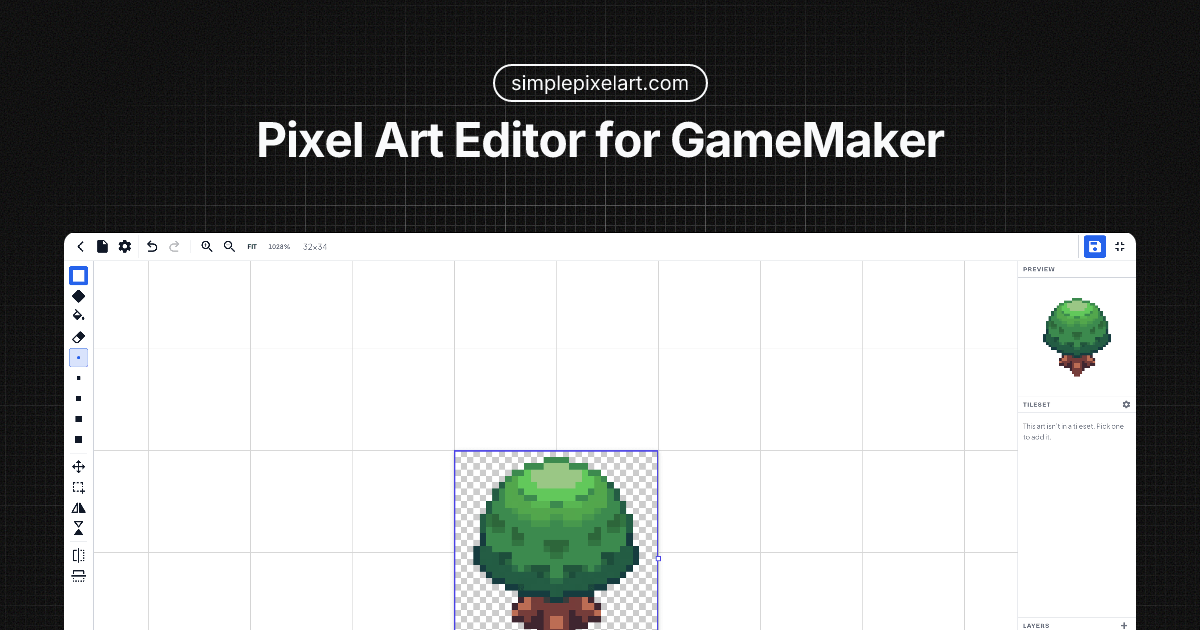
Make pixel art online free — draw on a pixel grid with brushes, fill, layers, mirror mode and custom palettes, then export a PNG. No download, no signup, runs in your browser.
28. Show HN: AI Tutoring with Visual Grounding (useknowable.ai)
Knowable uses your webcam to coach you through STEM problems in real time.
29. Show HN: Lefts – a domain specific language for building creative ML models (nsmat.github.io)
Composable transformations for ML model experimentation
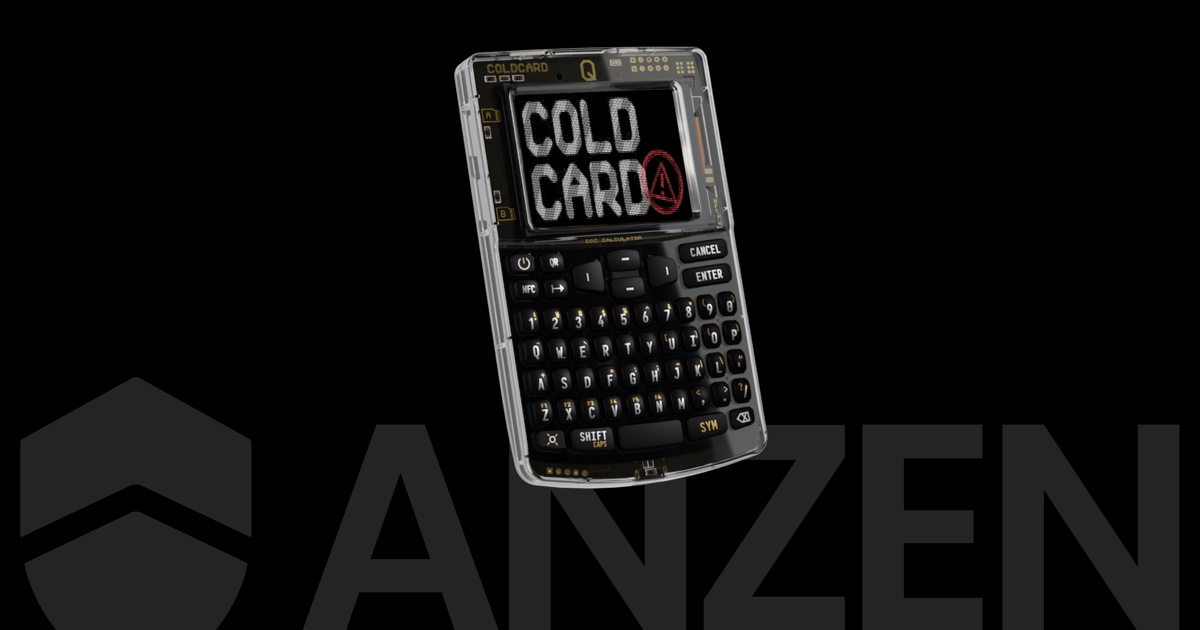
30. Lines of code. 1,596 BTC gone (onekey.so)
A full breakdown of the July 2026 COLDCARD entropy failure: the four lines that sent seed generation to a software PRNG for five years, how attackers have drained more than 1,596 BTC from about 7,300 addresses, what affected owners should do — and the four checks OneKey runs against the same failure. 16 sources.
A critical vulnerability in COLDCARD’s seed generation process led to the loss of over 1,596 BTC from thousands of addresses. This analysis details the error, its impact on users, and preventative measures that can be taken to avoid similar issues.