5. Show HN: Pleasantries (github.com)

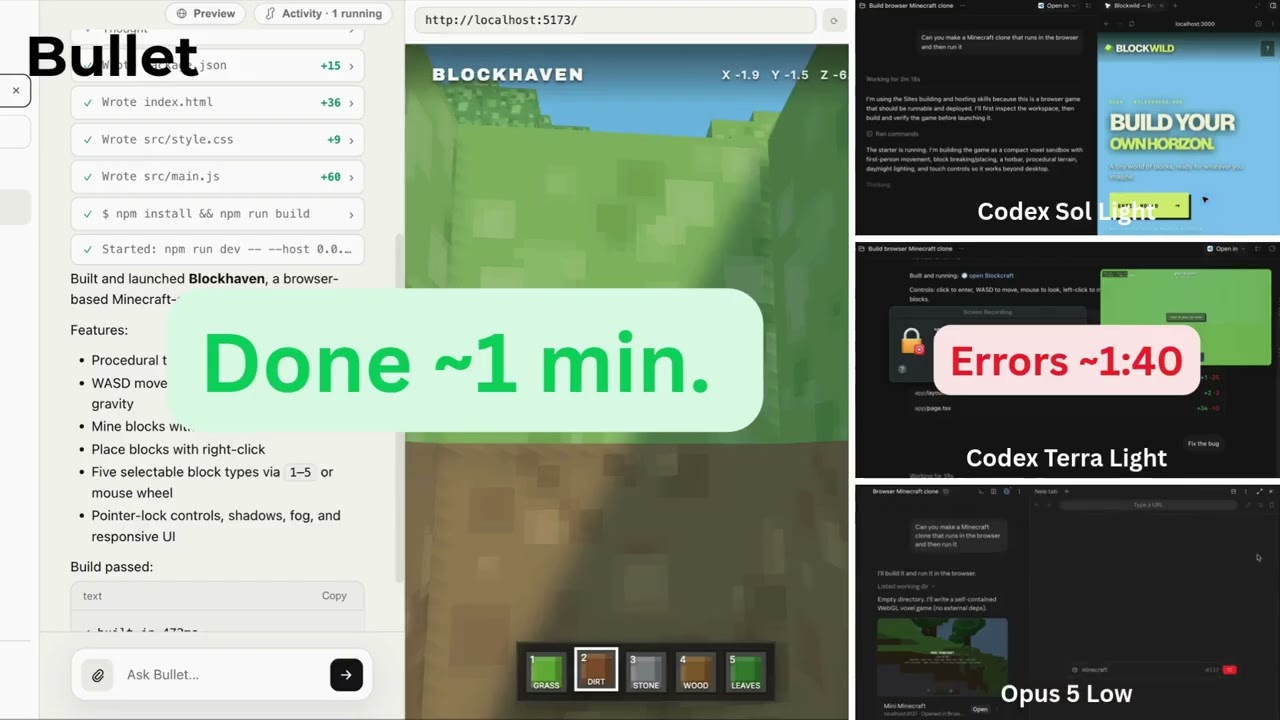
Pre-hook scripts for AI coding CLIs that block pleasantry-only prompts like "hi", "hello", "ok", "thank you", etc. Send a real task, not a greeting. - QAInsi...

7. When "no healthy upstream" isn't about the upstream you think (sahansera.dev)

Field notes from a seasoned distributed systems software engineer and software architect leading public-facing systems that scale for millions of users.

A seasoned software engineer shares insights on the complexities of distributed systems and their scalability challenges for large user bases. Gain a unique perspective on what โ€œno healthy upstreamโ€ really means in the context of modern software architecture.

8. What is distributed Key Generation (DKG)? (stoffelmpc.com)

A beginner-friendly walkthrough of distributed key generation: how a group can create a shared key that no single party ever holds, using basic MPC.

Learn how distributed key generation allows a group to collaboratively create a shared key without any individual holding it, utilizing fundamental principles of multi-party computation. This guide simplifies a complex concept for those new to the topic.

18. The Architecture of Israel's Genocide in Gaza (foreignpolicy.com)

A new book describes the destruction of Palestinian life street by street.

A new book details the systematic destruction faced by Palestinian communities in Gaza, highlighting the impact on daily life and the dismantling of neighborhoods. This critical examination offers a poignant look at the human cost of conflict.

25. The Fish Who Could Not Imagine Air (www.novaspivack.com)

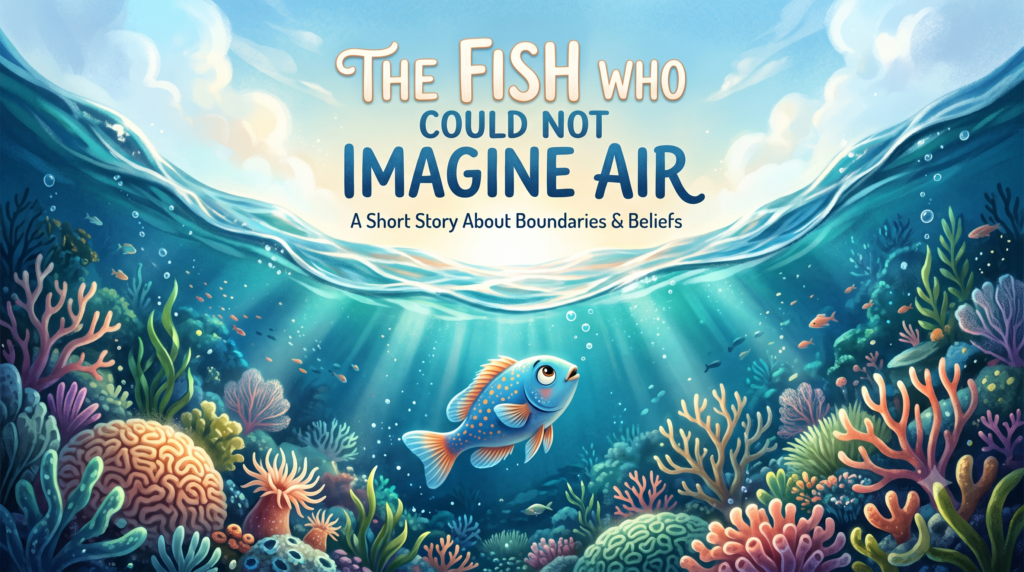
Imagine a fish physicist. She is brilliant. Over centuries her tradition has built a physics of astonishing power: pressure, buoyancy, viscosity, the propagation of waves, the beautiful nonlinearities of turbulence. It predicts everything she can measure. It has no loose ends worth losing sleep over. It is, by every internal standard, complete. Above her there [โ€ฆ]

27. We let models localize into 16 languages. How we made it read native. (reelang.com)

If you are a small team shipping in more than one language, you can get native-quality localization out of AI models today. Actually good, the kind that survives a native speaker reading it closely. What decides the outcome is not which model you pick, but the context that reaches whoever is translating, whether that's a model or a human. The diligence of models can have an advantage over a professional you would hire otherwise.

Article Details

Browse by Date

Type to search HN and engineering blog articles
Press Escape to close  |  โ†‘โ†“ to navigate  |  Enter to open