
2. Why is almost everyone right-handed? (www.ox.ac.uk)

3. Hanoi's humble beer glass and the memory of a nation (sundaylongread.com)
Amid Vietnam's waves of transformation, the Bia hơi cốc has remained unchanged.
4. Intro to TLA+ for the LLM Era: Prompt Your Way to Victory (emptysqua.re)
You can go far without writing TLA+ syntax now, but you still need to understand temporal logic.
5. Gentoo News: Copy Fail, Dirty Frag, and Fragnesia Kernel Vulnerabilities (www.gentoo.org)
News and information from Gentoo Linux

6. Growing Neural Cellular Automata (distill.pub)
Training an end-to-end differentiable, self-organising cellular automata model of morphogenesis, able to both grow and regenerate specific patterns.
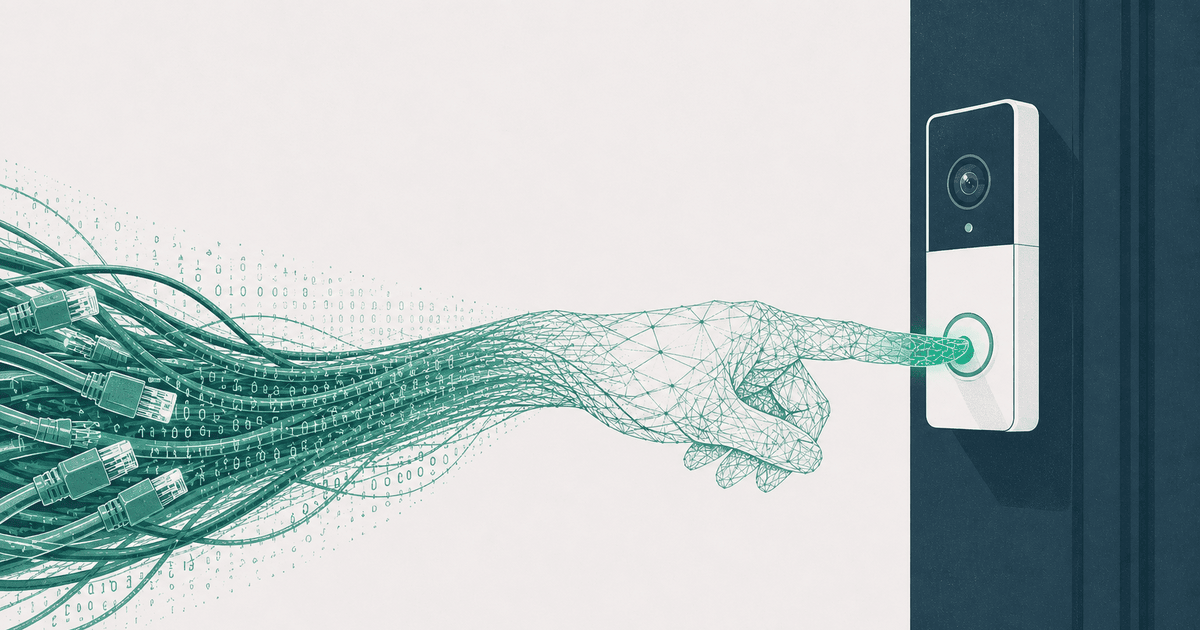
7. Anyone on the Internet Can Ring Your Doorbell (www.abgeo.dev)
Behind a cheap Temu doorbell sits an IoT backend where device IDs are sequential and requests are forgeable with a string baked into every firmware. One signed call lifts any device

8. Colonization of Venus (en.wikipedia.org)

9. U.S. Cybersecurity Agency Leaves Its Digital Keys Out in Public on GitHub (gizmodo.com)
Passwords were stored as plain text in a public GitHub repository.

10. Google Search as you know it is over (techcrunch.com)
Google is transforming Search from a list of links into an AI-powered experience filled with conversational answers, autonomous agents, and interactive interfaces — a shift that could further reduce traffic to publishers across the web.
11. Lisp in Web-Based Applications (2001) (sep.turbifycdn.com)
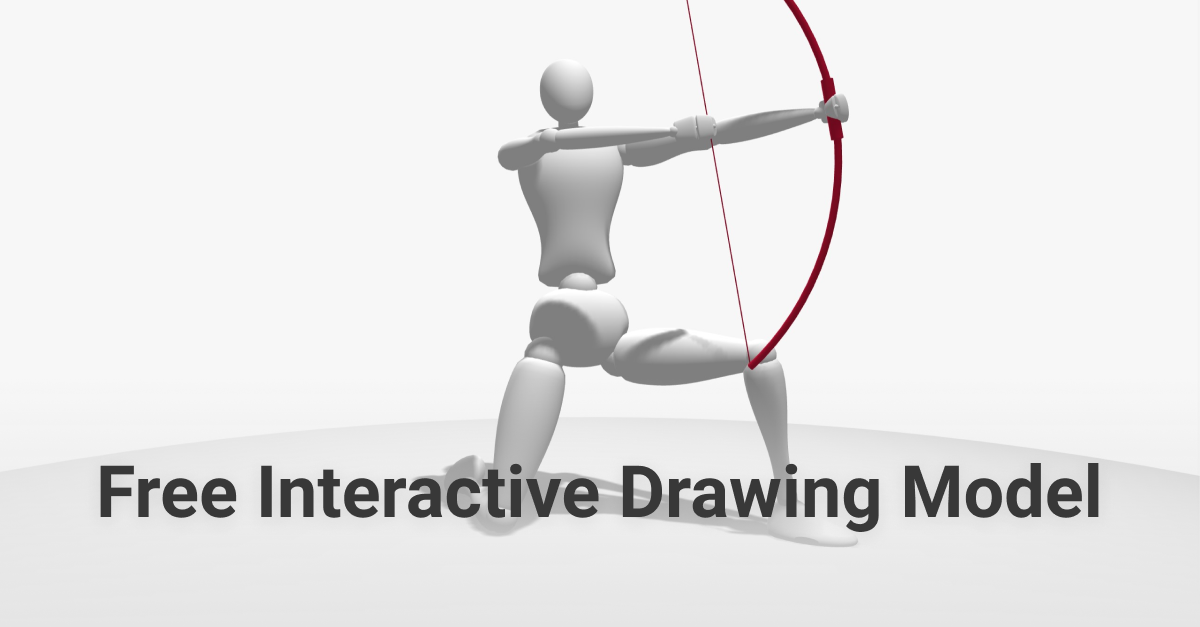
12. Show HN: I made a 3D pose maker for artists (setpose.com)
The easy to use pose maker for artists! Adjust the 3D drawing model to create your own custom poses. Combine them with many props to use as a drawing reference

13. PyTorch Landscape (pytorch.landscape2.io)
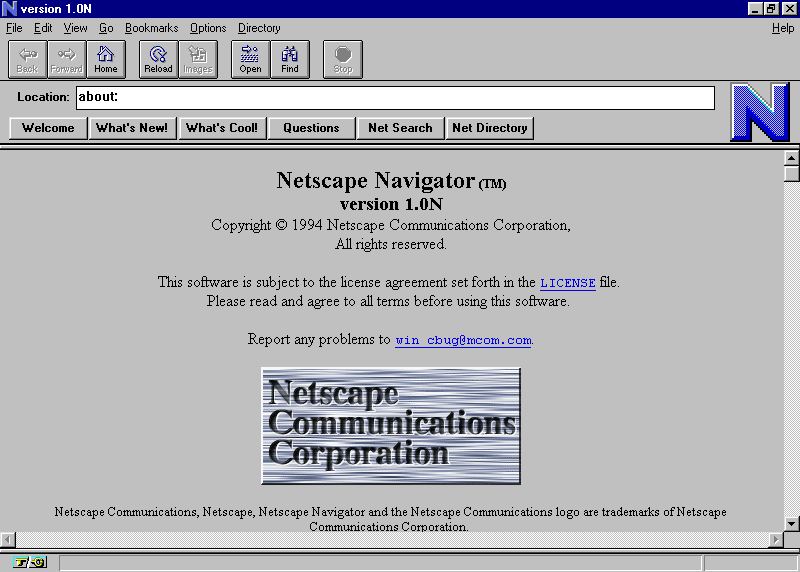
14. The lasting influence of Netscape Time (thehistoryoftheweb.com)
After Netscape, the speed of software sped up beyond what anyone could have imagined. Thanks to a documentary crew and a ghost writer, we have a full view of the whole thing.
15. Codex-Maxxing (jxnl.co)
16. The American Rebellion Against AI Is Gaining Steam (www.wsj.com)
17. Graduates are booing pep talks on AI at college commencements (apnews.com)
Artificial intelligence has become an unwelcome topic at college commencements. Graduates at several colleges and universities have interrupted speakers with boos when they mention AI.
19. When can the C++ compiler devirtualize a call? (quuxplusone.github.io)
Someone recently asked me about devirtualization optimizations: when do they happen?
when can we rely on devirtualization? do different compilers do devirtualization
differently? As usual, this led me down an experimental rabbit-hole. The answer
seems to be: Modern compilers devirtualize calls to final methods pretty reliably.
But there are many interesting corner cases — including some I haven’t thought of,
I’m sure! — and different compilers do catch different subsets of those corner cases.

20. AI Is Too Expensive (www.wheresyoured.at)
If you liked this piece, you should subscribe to my premium newsletter. It’s $70 a year, or $7 a month, and in return you get a weekly newsletter that’s usually anywhere from 5,000 to 18,000 words, including vast, detailed analyses of NVIDIA, Anthropic and OpenAI’s
21. Coding on Paper (wickstrom.tech)
22. The TTY Demystified (2008) (www.linusakesson.net)
23. Earth's Radio Bubble: Every signal we've ever sent into space (www.thescientificdrop.com)
24. Deciphering the Hashihara Castle Town Map (www.obayashi.co.jp)
The first issue of \
25. Make ZIP files smaller with ZIP Shrinker (evanhahn.com)
I built ZIP Shrinker, a little browser tool to shrink ZIP files. It also works with formats that are secretly ZIPs underneath, like APK, EPUB, and JAR.
26. Nim-Presto – REST API Framework for Nim Language (github.com)
REST API framework for Nim language. Contribute to status-im/nim-presto development by creating an account on GitHub.
27. Show HN: Hsrs – Type-Safe Haskell Bindings Generator for Rust (github.com)
Type-safe Haskell Rust Bindings. Contribute to harmont-dev/hsrs development by creating an account on GitHub.
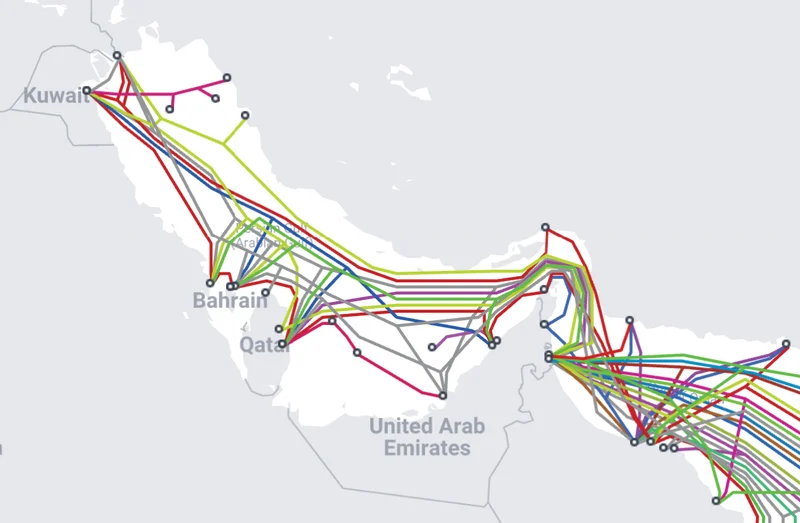
28. Iran demands Big Tech pay fees for undersea Internet cables in Strait of Hormuz (arstechnica.com)
Iran's claim over subsea chokepoint pushes US tech companies to overland fiber.

29. An Apple (II) for Teacher (technicshistory.com)
By early 1980, the Apple II, which had trailed the Commodore PET and Tandy/Radio Shack TRS-80 at first, had become a remarkable success, with a great deal of help from Personal Software’s VisiCalc.…

30. Show HN: Haystack – Review the PRs that need human attention (haystackeditor.com)
AI-powered code reviews that guide you through changes in logical order, keeping reviews fast and focused.