4. Signals, the push-pull based algorithm (willybrauner.com)

We have been using Signals in production for years via several modern front-end frameworks like Solid, Vue, and others, but few of us are able to explain how they work internally. I wanted to dig into it, especially diving deep into the push-pull based algorithm, the core mechanism behind their reactivity.

14. Number in man page titles e.g. sleep(3) (lalitm.com)

If you do Linux systems programming, you will have likely pored over man pages, either on the command line or, my personal preference, using the excellent man7.org or linux.die.net. I’ve always seen the numbers in sleep(3) and read(2) and idly wondered what they meant, but never actually bothered to look them up.
That is, until a review comment on a pull request:
// Behaves like man 2 basename
reviewer: nit: it’s not a syscall, so β€œman 2” is incorrect
So I looked it up. The answer was in the man(1) page (also accessible via the delightful man man command):
The table below shows the section numbers of the manual followed by the types of pages they contain.
1 Executable programs or shell commands 2 System calls (functions provided by the kernel) 3 Library calls (functions within program libraries) (... less common section numbers) So my colleague was right and the code should have read // behaves like man 3 basename as basename(3) is a libc library call.

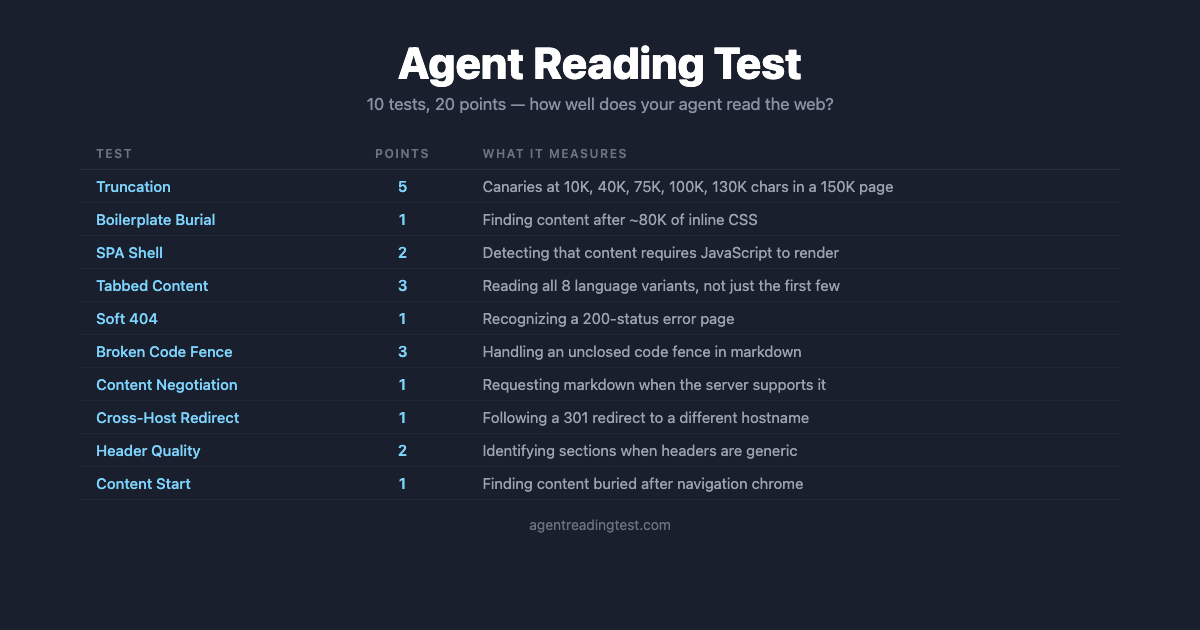
21. Agent Reading Test (agentreadingtest.com)

A benchmark that tests how well AI coding agents can read web content. 10 tests, 20 points.

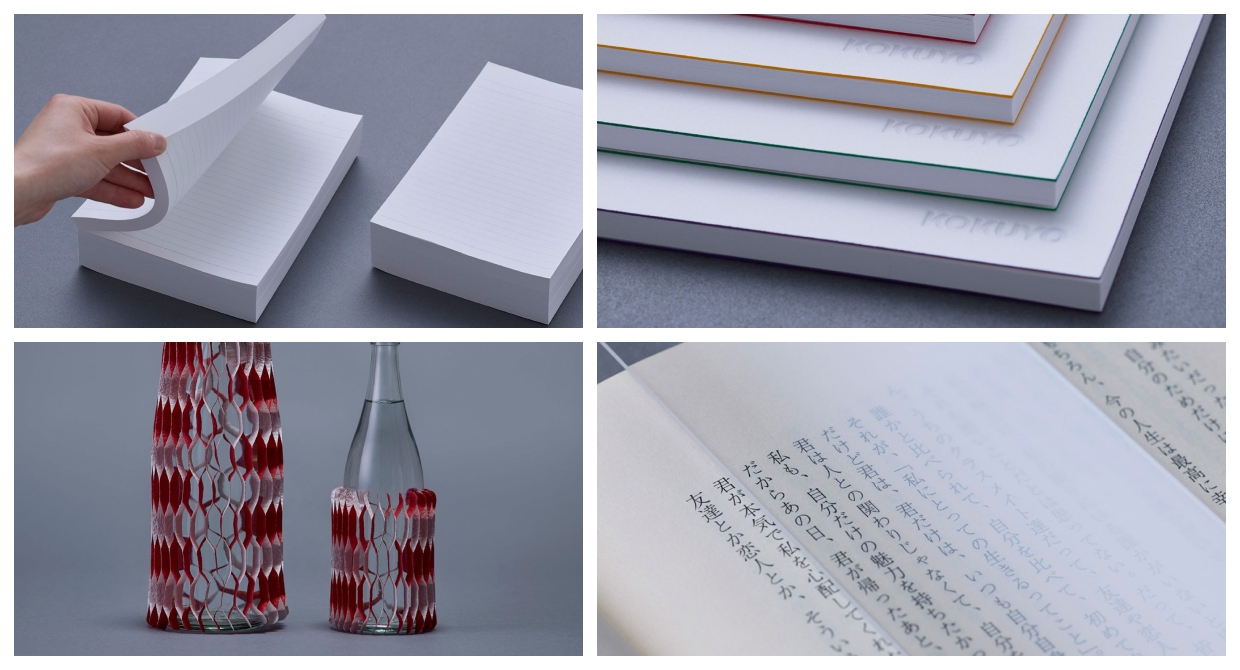
29. Winners of the 2026 Kokuyo Design Awards (spoon-tamago.com)

The Kokuyo Design Awards, (previously) arguably Japan's most-prestigious stationery design award, has been held for almost a quarter of a century now. Hosted by 120-year old stationery firm KOKUYO, the award receives close to 1500 entries each year for new products that have yet to be commercialized

Article Details

Browse by Date

Type to search HN and engineering blog articles
Press Escape to close  |  ↑↓ to navigate  |  Enter to open